Opinion

Beyond the headline: What happens to the thousands of rape cases we never hear about?
Nepal recorded 2,253 rape cases in fiscal year 2081/82, but survey data show widespread non-disclosure of violence, revealing the limits of police statistics in measuring sexual violence.
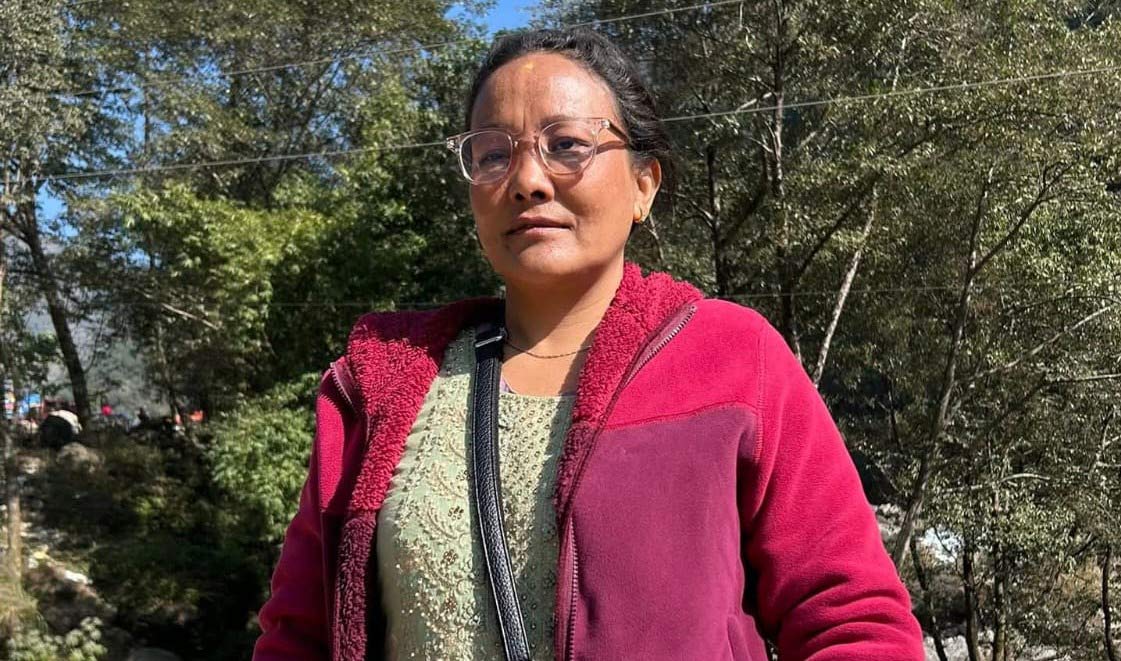
Rasuwa flood survivor Pratima Lama lost her home and loved ones. Now she wants to start again in Kathmandu
Pratima Lama, a blind teacher from Rasuwa, survived the August 26 flood but lost her home, shop, relatives and school community and now seeks transfer to Kathmandu Valley.

I told AI because I couldn’t tell anyone else
As more people disclose painful feelings to AI, Nepal’s mental health stigma raises a deeper question: why can a machine sometimes feel safer than talking to another person?

Why misinformation is becoming easier to believe than facts
Repetition, emotion, social media algorithms, weak information gaps and AI-generated content can make misinformation feel more credible, creating serious challenges for Nepal’s digital public sphere.

Nepal doesn’t necessarily need more taxes—it needs taxpayers to trust the system
Nepal needs stronger domestic revenue, but taxpayer compliance also depends on trust, fairness, transparency and simpler administration that shows citizens how their contributions support public services.
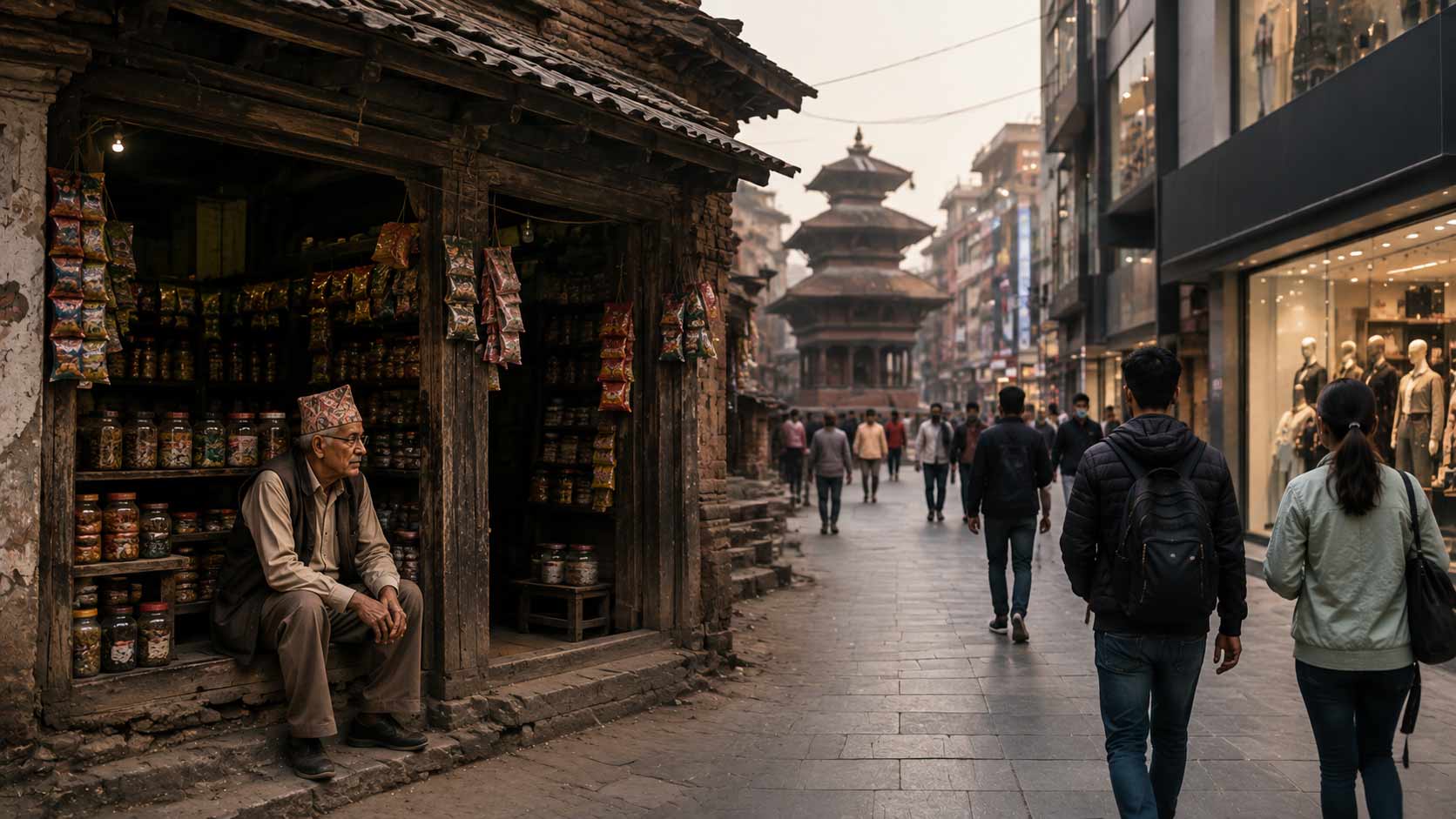
Are traditional Nepali shops disappearing?
Nepal’s traditional kirana shops are not simply disappearing as supermarkets, e-commerce and digital payments expand; instead, small retailers are adapting within an increasingly mixed retail system.
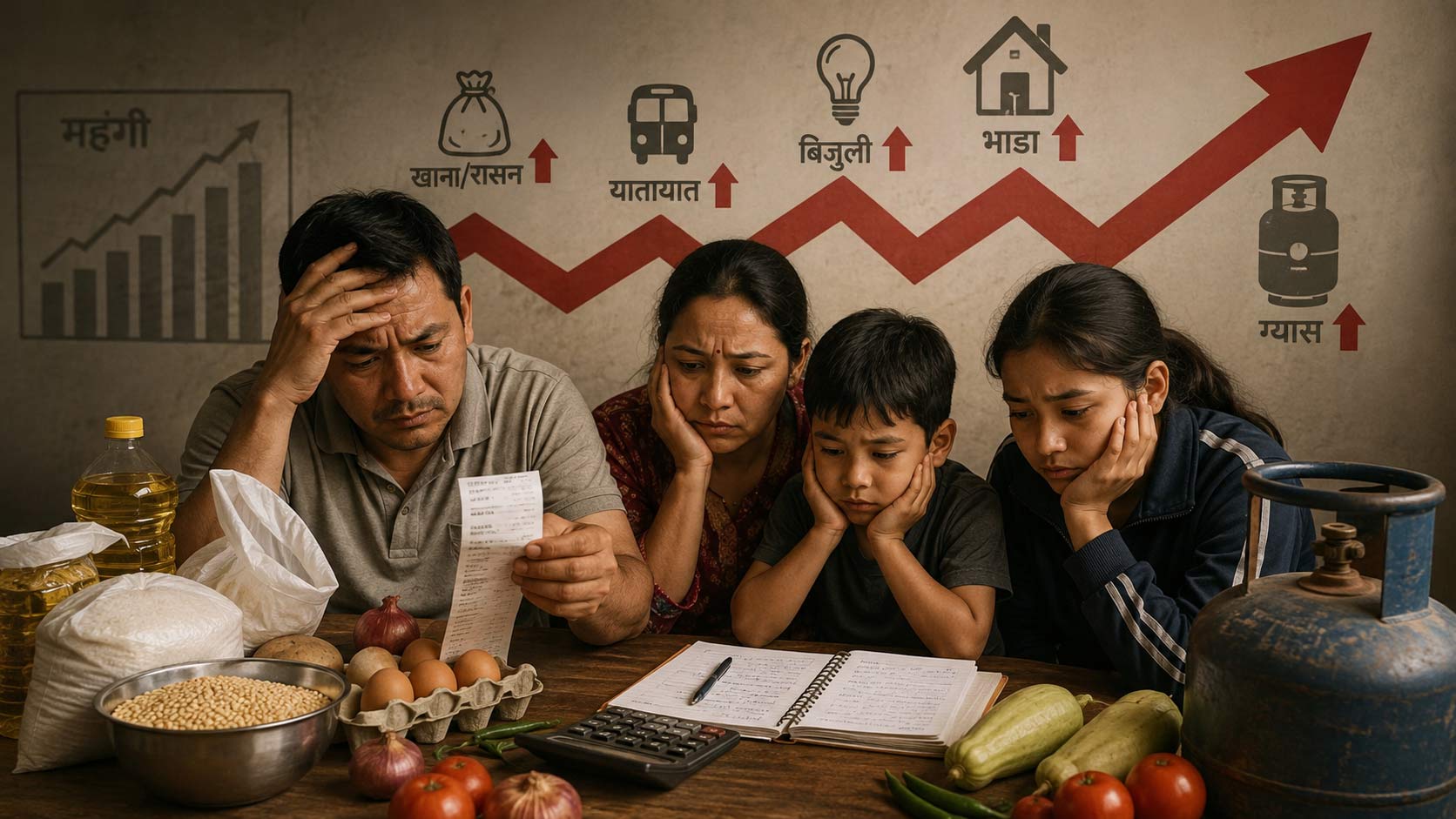
Nepal’s rising cost of living is putting household incomes under growing pressure
Nepal’s wages have increased, but recent wage growth has lagged consumer inflation, reducing purchasing power as food, transport, housing, education and other essential household costs continue rising.