They may be tired of the way democracy has been practiced.
There is a difference.
Democracy gives citizens the ability to replace governments, punish political parties electorally and demand new leadership. Political disappointment becomes dangerous when citizens conclude that none of these mechanisms can produce meaningful change.
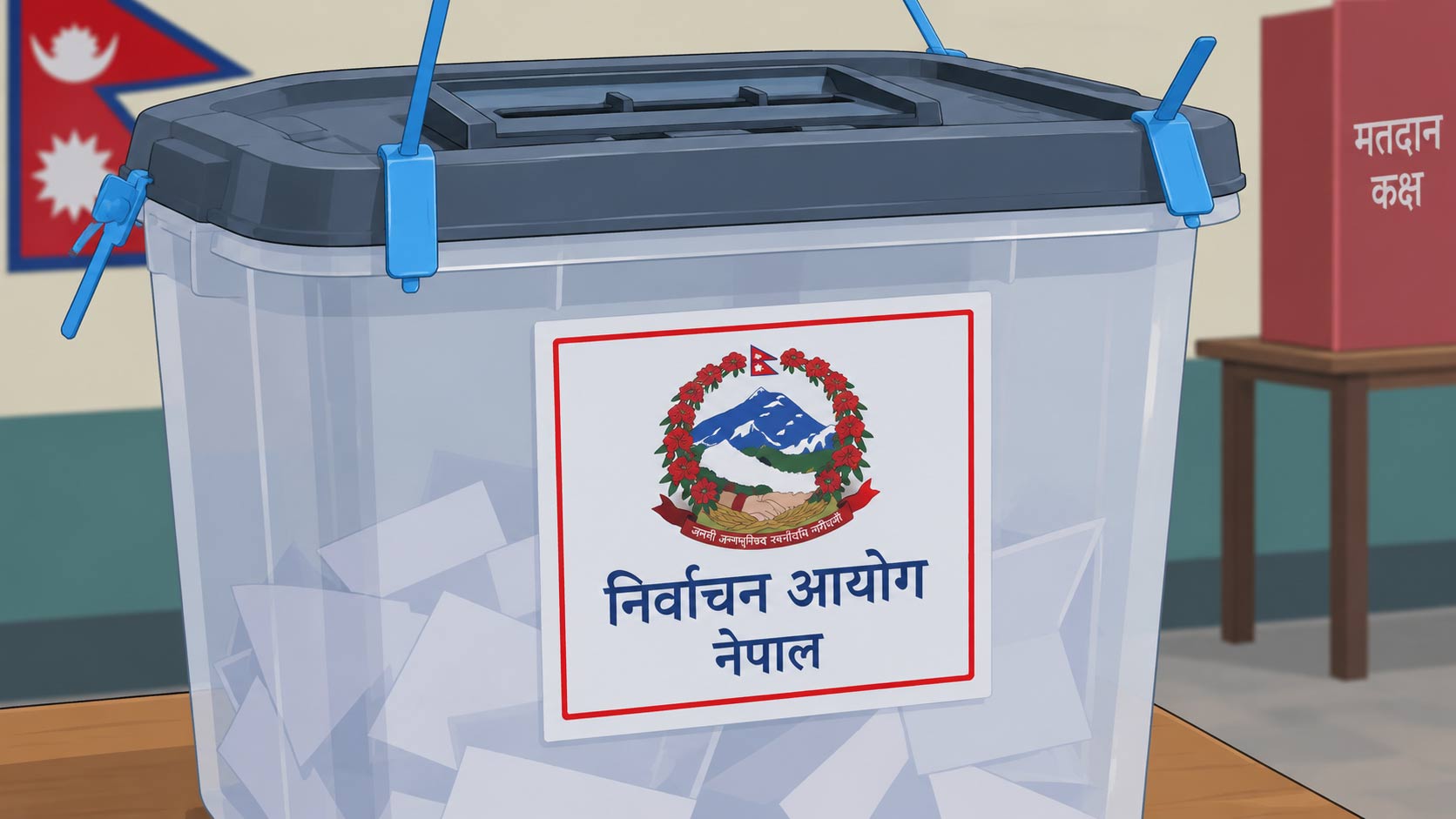
Nepal's 2026 election showed that a large number of voters still believed change was possible through the ballot box.
But elections can only reset political expectations. They cannot guarantee that those expectations will be fulfilled.
The first anniversary of the 2025 protests has brought this issue back into focus. Reports from September 2026 indicate that some protesters and families of those killed or injured continue to question whether the promises associated with the movement have been adequately fulfilled.
This is where the cycle can either be broken or repeated.
If the new political leadership delivers measurable improvements in governance, accountability, employment and public services, the political upheaval of 2025 may eventually be remembered as a turning point.
If expectations again collide with slow reform, political infighting or unfulfilled promises, disappointment may return with even greater force.
The danger is not that Nepalis are disappointed.
Disappointment is a normal part of democracy. Governments cannot satisfy every voter, and political decisions inevitably produce disagreement.
The danger is when disappointment becomes so routine that citizens stop expecting anything better.
That is the point at which cynicism can become more damaging than political disagreement.
Nepal should therefore not ask only whether people are losing trust in politicians. It should ask what politicians are doing to earn that trust back.
The 2026 election provides an important clue.
Nepalis did not simply abandon politics. They dramatically rearranged it.
That means the public may still be hopeful—but increasingly unwilling to give political leaders unlimited time, patience or loyalty.
Perhaps political disappointment has become normal in Nepal.
But political acceptance of disappointment does not have to become normal.
The real test of Nepal's new political era is whether voters will once again have to choose between disappointment and disappointment—or whether, this time, political change can produce the tangible results that people have been waiting for.