If an entrepreneur cannot easily determine what a new tax rule means for their business, compliance becomes more costly—not necessarily because the tax rate is high, but because the uncertainty itself has a price.
Nepal also has a large informal economy, making the question of the tax base particularly important. Expanding the number of people and businesses participating in the formal system can potentially increase revenue without relying entirely on higher rates for those already paying.
That is why broadening the base can be more consequential than repeatedly increasing the burden on the same visible taxpayers.
But broadening the base also requires credibility.
Why should a small business formalise if formalisation only means more paperwork, more inspections and more costs, while competitors remain outside the system?
The answer has to be visible in the system itself.
Formal taxpayers should be able to see benefits in predictable procedures, accessible services, legal protection, easier access to finance and a more level competitive environment.
Taxation is not simply about taking money from citizens.
It is also about creating the conditions under which citizens accept the obligation to contribute.
That distinction becomes particularly important in Nepal because public frustration over governance and service delivery has become more visible in recent years.
The World Bank has noted that Nepal’s new government faces structural constraints including the need to improve policy predictability, simplify tax administration and reduce corruption.
These are not separate from taxation.
If people doubt the government’s ability to spend public money effectively, asking them to pay more can become politically and socially difficult.
The issue is not that every taxpayer must personally see a road, hospital or school funded by their individual payment.
Taxes are pooled resources.
But citizens should be able to see, at a broader level, that public money is being managed according to rules, priorities and accountability mechanisms that they can understand.
Otherwise, the question "Where does my tax money go?" becomes difficult to dismiss as mere unwillingness to pay.
It can become a legitimate question about public accountability.
This is why tax transparency matters.
Governments do not necessarily need to publish the details of every individual taxpayer. But they can communicate more clearly about how revenue is collected, what major sources contribute to the budget, where public money is spent and what outcomes are being achieved.
The more visible the connection between payment and public purpose becomes, the easier it is to build a culture of compliance.
There is another important point: taxpayers are not all the same.
A salaried employee whose tax is automatically withheld has a different experience from a restaurant owner filing VAT returns, a freelancer receiving income from abroad, a farmer selling produce, or a company managing multiple tax obligations.
A system designed around the assumption that all taxpayers have the same knowledge, resources and administrative capacity will inevitably create unnecessary friction.
Nepal’s revenue strategy recognises the need for administrative reforms alongside policy measures.
The next step is to make that principle visible in everyday interactions.
A taxpayer should not need a specialist to understand every basic obligation.
A mistake should not automatically feel like a confrontation.
A refund should not feel mysterious.
An audit should be understandable.
An appeal should be accessible.
And tax officials should be judged not only by how much revenue they collect, but also by how fairly and efficiently they administer the system.
This does not mean reducing enforcement.
A credible tax system needs enforcement because deliberate evasion undermines taxpayers who comply.
The objective is a balance: enough enforcement to make evasion costly and enough trust and service quality to make compliance worthwhile.
The same principle applies to businesses.
A company that deliberately hides income should not be treated the same way as a small business owner who makes an honest reporting error because the rules were confusing.
If the system cannot distinguish between deliberate evasion and genuine mistakes, taxpayers may become more fearful of the administration without becoming more trusting of it.
Trust does not mean allowing people to avoid taxes.
It means creating confidence that the rules apply consistently.
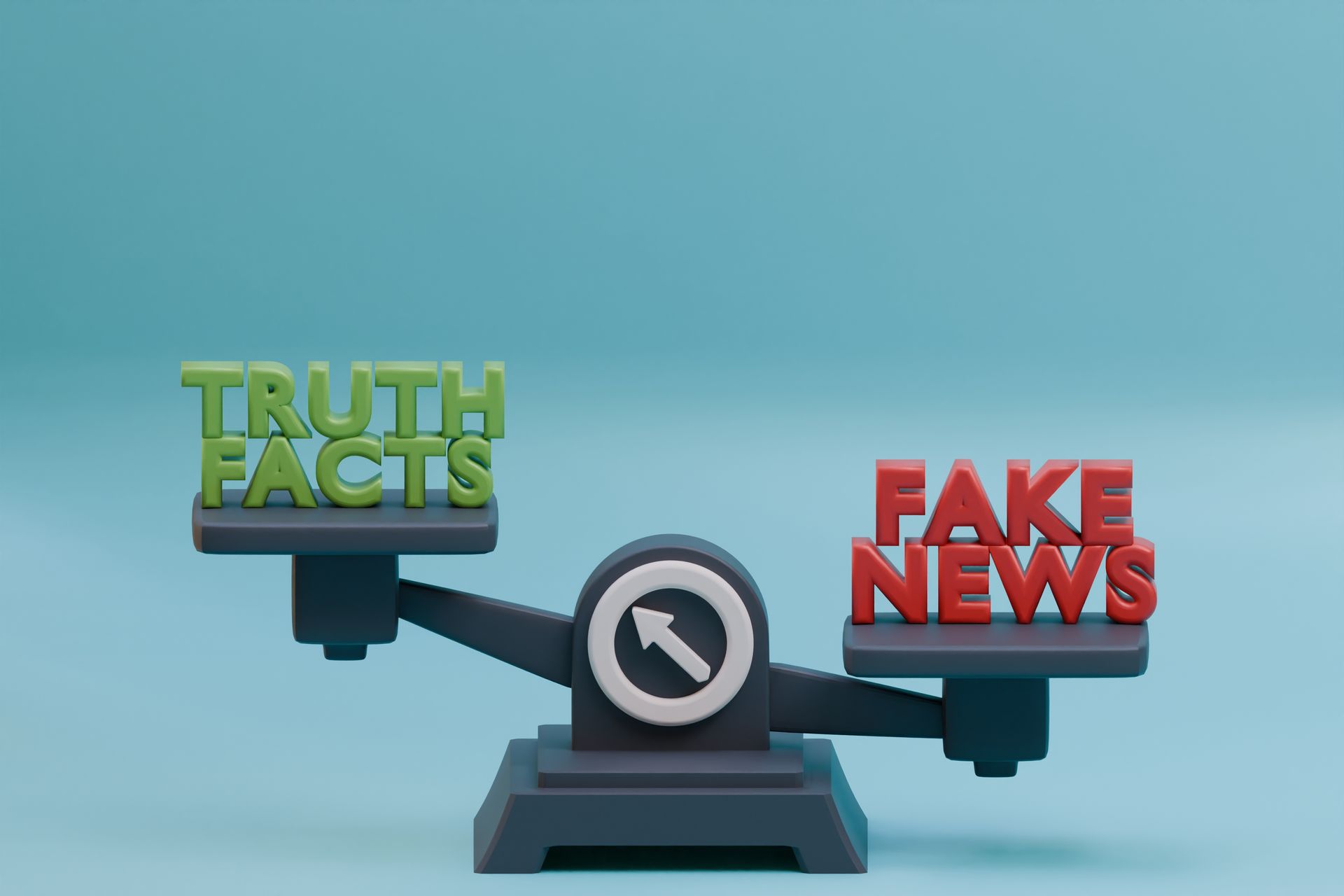
That may ultimately be one of Nepal’s biggest untapped sources of revenue: not another tax rate, but a larger number of people willing to comply because they believe compliance is fair.
The distinction is important.
Nepal will continue to need revenue. As the country seeks better infrastructure, stronger public services and greater economic opportunity, domestic resource mobilisation will remain important.
But revenue mobilisation should not be reduced to the question of how much more can be collected.
It should also ask why people comply, why some remain outside the formal system, what makes compliance difficult and what makes taxpayers believe that their contribution is being used responsibly.
The government can demand compliance.
It can audit.
It can impose penalties.
It can expand digital monitoring.
All of those tools have a place.
But a durable tax culture requires something enforcement cannot manufacture on its own.
Trust.
A taxpayer who believes the system is fair may still dislike paying taxes.
That is normal.
But there is a difference between disliking a tax and believing the entire system is not worth cooperating with.
Nepal does not have to choose between stronger revenue collection and stronger taxpayer trust.
The two can reinforce each other.
The real challenge is to build a tax system in which paying taxes is not merely something people do because the government can punish them if they do not.
It is something they can understand, expect to be fair and accept as part of a functioning social contract.
If Nepal wants a broader tax base, the first question should not always be, "How much more can we collect?"
It should also be, "Why would people want to comply?"
The answer to that question may determine how sustainable Nepal’s revenue system becomes.