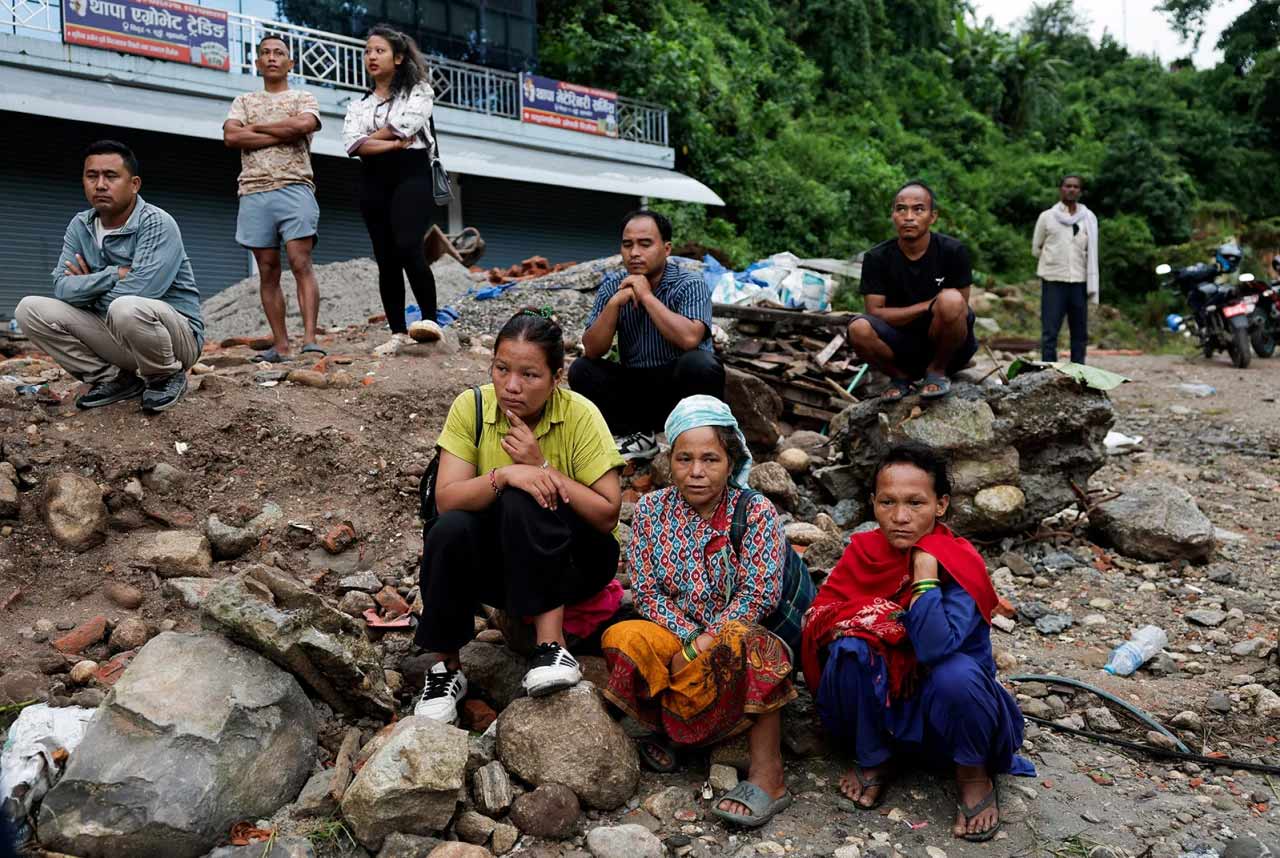
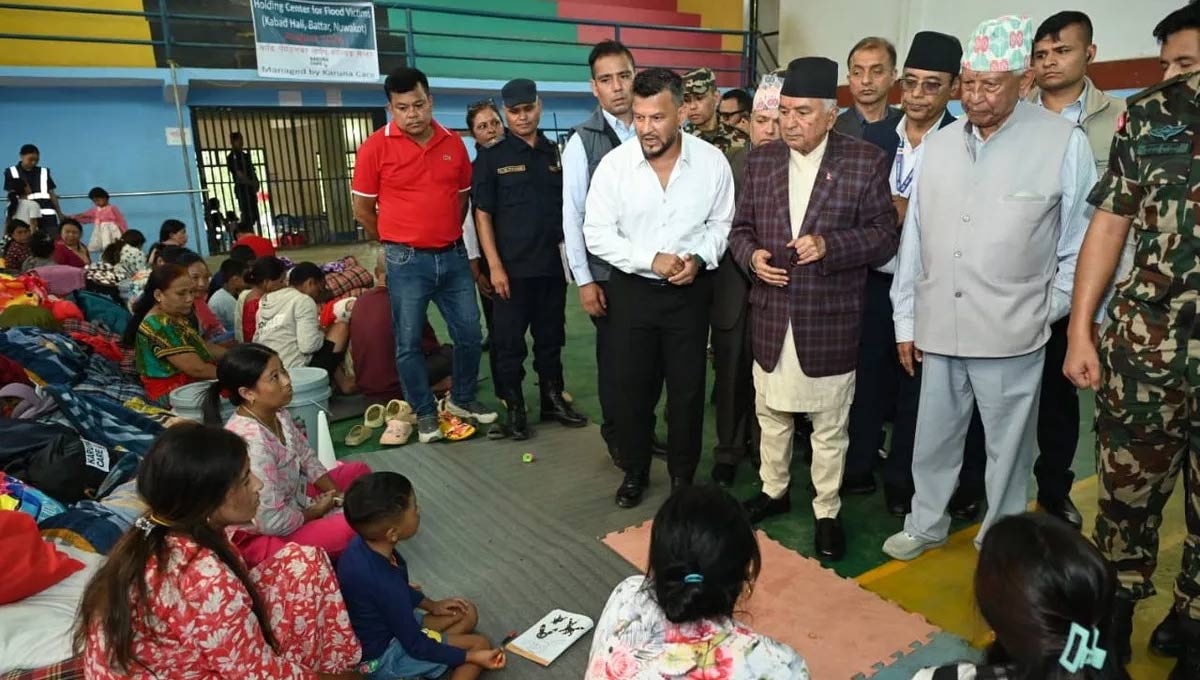
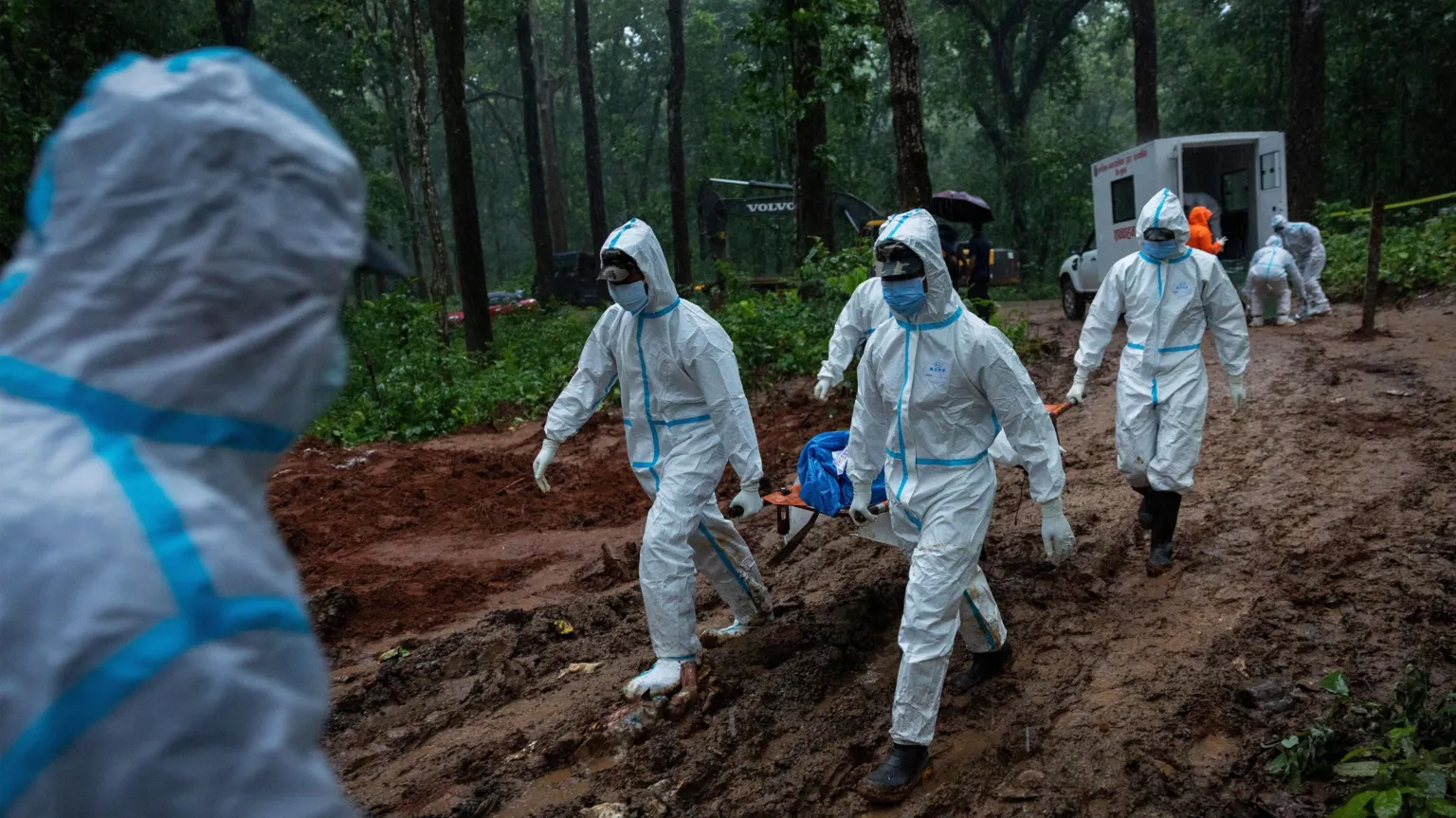
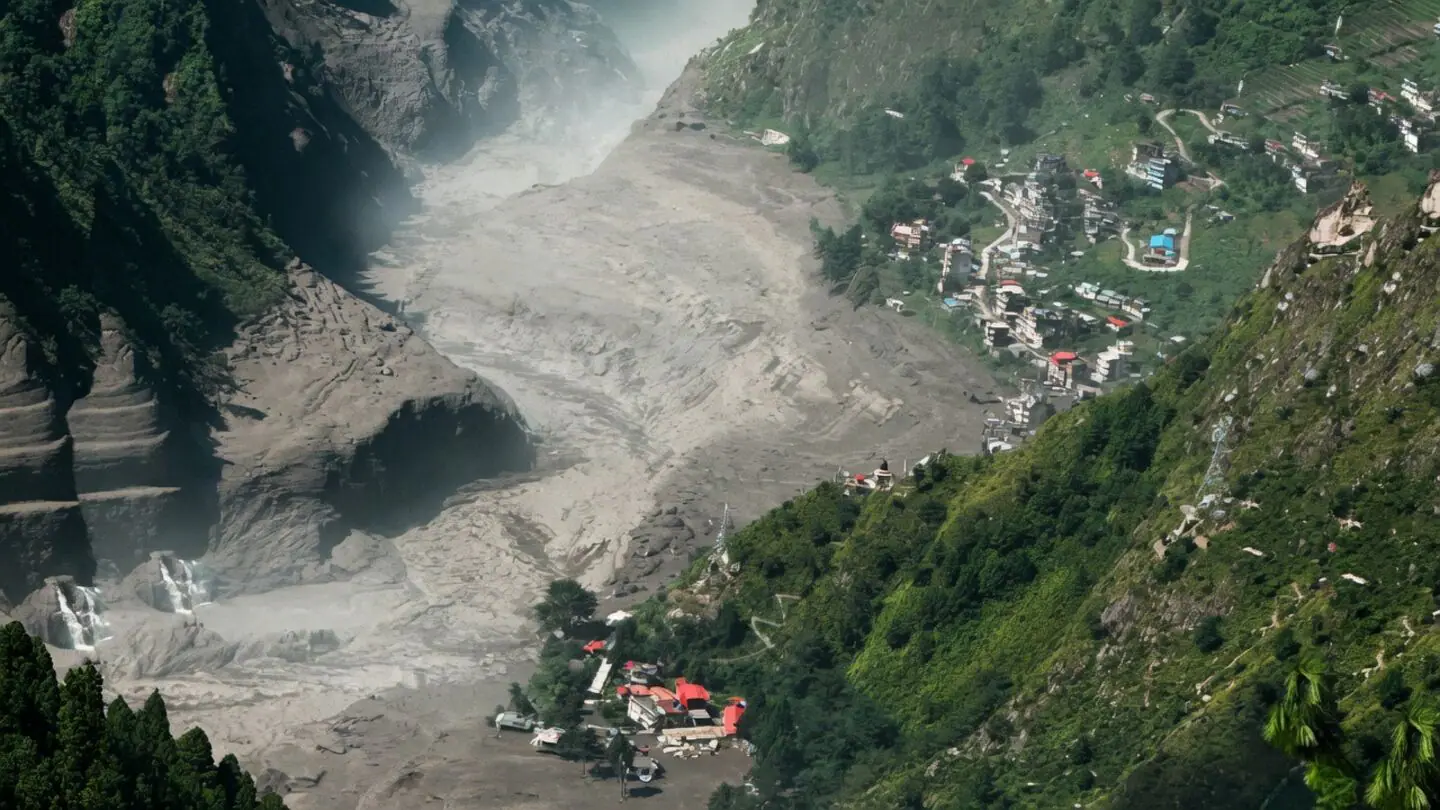
Death, however painful, eventually brings confirmation. Disappearance can leave families suspended between hope and grief. They wait for a phone call, a name on a list, a photograph, a body recovered from the river or a message from a rescue team. Until then, they cannot fully mourn and cannot fully stop hoping.
That uncertainty is now shared by hundreds of families.
Among the people still unaccounted for are residents, security personnel and travellers. The Nepal Tourism Board has reported 579 tourists missing from the affected areas, including 466 foreign nationals and 113 Nepalis. The list includes people who may have been travelling through the region for tourism, pilgrimage or other purposes.
Behind every name on that list is a different story.
Someone was expected home.
Someone had promised to call.
Someone had left in the morning believing they would return.
Someone was travelling with friends or family.
Someone was at work.
Someone was simply in the wrong place when the river changed its course.
That is why the human cost of this flood cannot be reduced to a death toll.
The disaster also took away the ordinary routines that make a place feel like home.
A family business can represent years of work. A house can contain photographs, documents, clothes, children's books and objects passed down through generations. A shop can represent the savings of a lifetime. A vehicle can be the main source of income for a household. A road can determine whether a child reaches school or whether a sick parent reaches a hospital.
When those things disappear together, families lose more than property. They lose the infrastructure around their lives.
The official figures released Thursday show that 35 motorable bridges, 45 suspension bridges and about 40 kilometres of roads were damaged.
Those numbers matter because they explain why reaching survivors and searching for missing people is so difficult. But they also have a human meaning.
A bridge may be the route a child takes to school.
A road may be the only connection between a village and the nearest hospital.
A market may be where a family earns its daily income.
A customs route may be where a trader has built a livelihood over years.
When those connections disappear, isolation becomes another consequence of the disaster.
The flood has also affected security personnel who were working in the area when the disaster struck. Nepal's disaster authorities reported that 44 Nepali Army personnel, 28 Nepal Police personnel and 13 Armed Police Force personnel remained missing.
Their absence affects families in a different but equally painful way. Behind every uniform is a household waiting for a son, daughter, husband, wife, parent or sibling.
The same is true for the foreign tourists whose families are now searching for information from thousands of kilometres away. Governments and embassies have begun efforts to establish the whereabouts of their citizens, while Nepal's rescue agencies continue searching in difficult terrain.
There is also a danger in focusing too heavily on the dramatic images.
A bridge collapsing is visible.
A house being swept away is visible.
A river carrying vehicles downstream is visible.
But grief is mostly invisible.
It appears later, when a family returns to a damaged home and realizes that one person is missing. It appears when a child's school uniform remains untouched. It appears when a shopkeeper looks at the place where the shop once stood and remembers the person who helped build it. It appears when families begin asking not how much property they lost, but how they will live without someone they loved.
That is the deeper destruction of a disaster.
The flood did not only destroy places where people lived. It disrupted relationships built around those places.
A home is where family members expect one another to return.
A shop is where a livelihood is built.
A road is how people reach one another.
A bridge is how communities remain connected.
When these disappear simultaneously, the physical destruction becomes inseparable from the emotional one.
The disaster has also raised difficult questions about how quickly a Himalayan community can be protected when an extreme event develops with little warning. The precise mechanism behind the flood was initially unclear, but subsequent assessments have pointed to an ice-rock or glacial collapse upstream that generated a sudden debris-laden surge. The US Geological Survey later clarified that the seismic signal initially interpreted as an earthquake was generated by the collapse itself.
Whatever the final scientific explanation, the people left behind face a much simpler reality.
They have to find their missing relatives.
They have to identify the dead.
They have to bring survivors to safety.
And eventually, they have to decide how to rebuild.
As of Thursday, rescue teams had recovered 123 people from Timure by helicopter, including 94 Nepalis and 29 foreign nationals. Search operations were continuing, with authorities still collecting details about casualties and damage.
The final scale of the tragedy is therefore not yet known.
The number of recovered bodies may rise. Some people currently listed as missing may be found alive. Others may be identified among those who have died. Figures may also change as Nepal and Chinese authorities reconcile information from the two sides of the border.
That uncertainty should not be filled with speculation.
What is already certain is that families have lost loved ones, homes and livelihoods, while many others are still waiting.
Eventually, roads will be rebuilt.
Bridges will be reconstructed.
Power lines will be restored.
Markets may reopen.
New houses will be built on safer ground.
But none of those things will restore the person who is no longer there.
For the families affected by the Bhote Koshi flood, rebuilding will therefore mean more than restoring concrete, steel and asphalt. It will mean learning how to live around an absence that cannot be repaired.
The flood may have swept away roads and bridges in minutes.
For the people who lost someone, its consequences will last far longer.
And when the river settles, the deepest question will not be how quickly the roads can be rebuilt.
It will be how the people left behind can rebuild their lives.