Kathmandu, September 25, 2026 — For many people in Nepal, taking a public bus is not simply a way to get from one place to another. It can mean waiting for an uncertain amount of time, squeezing into an overcrowded vehicle, standing without enough room to move, worrying about harassment and arguing over the fare before finally reaching the destination.
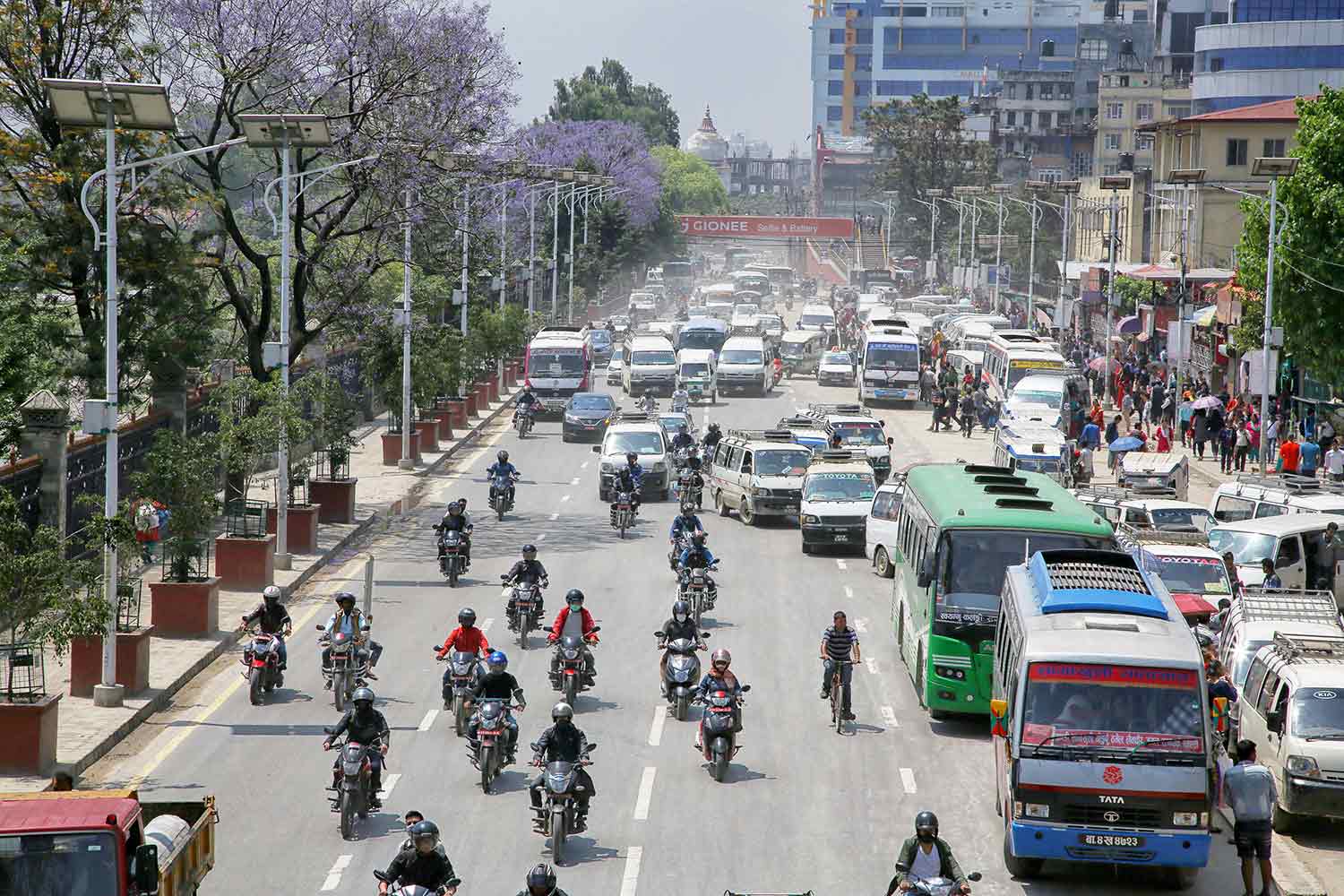
The problems are particularly visible in Kathmandu Valley, where buses and microbuses are a crucial means of daily travel for students, workers, elderly people and others who do not have access to private vehicles. Yet decades of studies and repeated complaints suggest that the system still struggles to provide transport that is reliable, comfortable, transparent and safe.
One of the most visible problems is overcrowding. During peak hours, passengers can be packed into buses with barely enough space to stand properly or keep their feet comfortably inside the vehicle. Reports from Kathmandu have documented conductors urging passengers to move further inside even when vehicles are already full, while passengers have also been seen standing or hanging near bus doors. Nepal Police's own passenger-safety guidance tells commuters to stay away from the footboard and never put any part of their body outside a moving vehicle.
The problem is not merely one of discomfort. Overcrowding can turn an ordinary commute into a safety and security problem. A World Bank study on gender and public transport in Kathmandu identified overcrowding as the main concern raised by transport users and noted that crowded vehicles create conditions that can facilitate pickpocketing and sexual harassment. The study also found that smaller vehicles, particularly microbuses, were often regarded as the most uncomfortable and crowded.
A more recent Asian Development Bank assessment similarly describes Nepal's urban public transport as being affected by a fragmented system of small private operators, limited regulatory enforcement, weak governance, delays, unpredictability, overcrowding and safety concerns.