A million views do not establish authenticity.
A viral post is still only a post.
This does not mean the public should remain silent when wrongdoing occurs.
Quite the opposite.
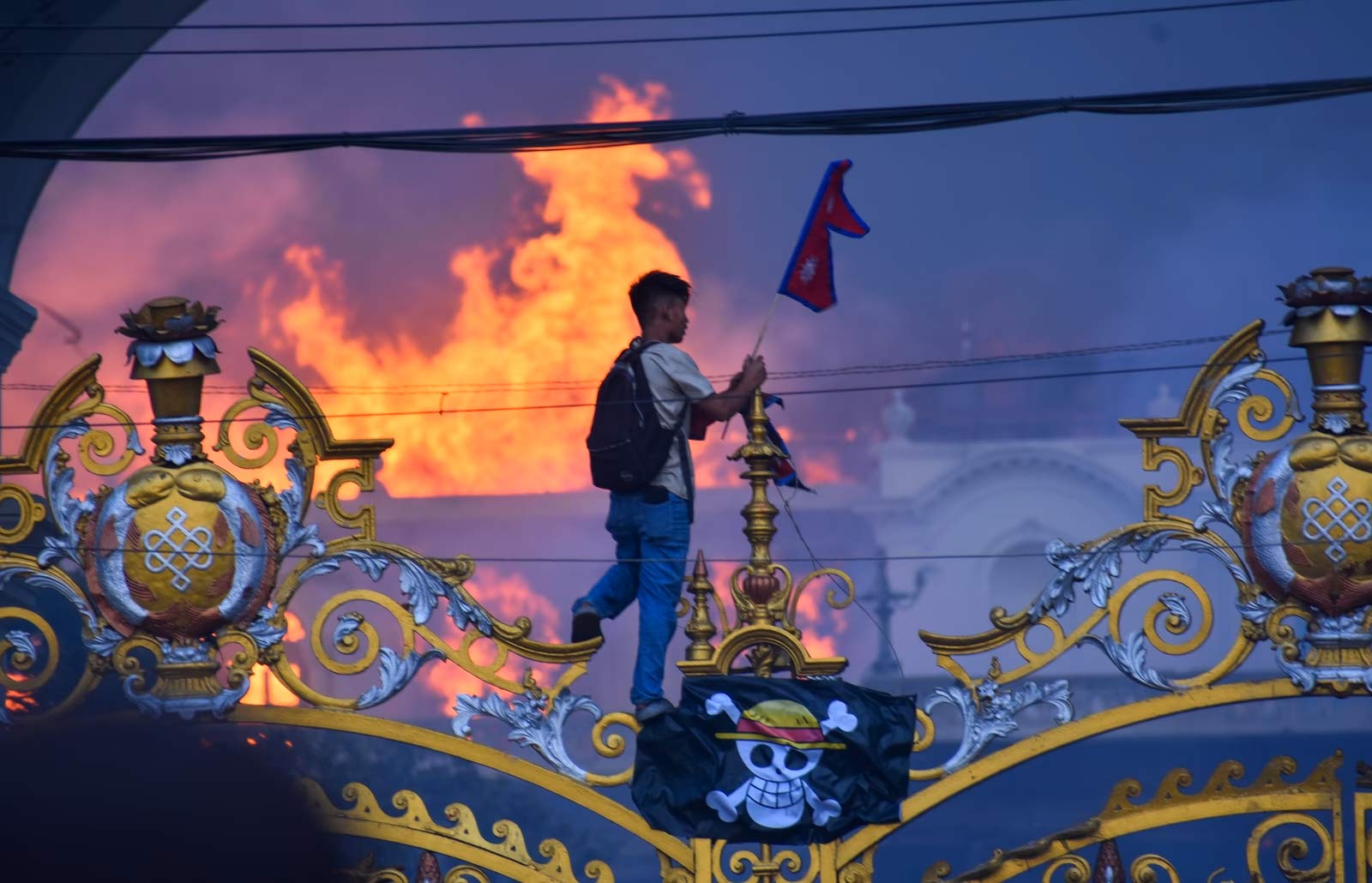
Social media has become an important accountability tool. It has allowed citizens to expose misconduct, document abuses and force institutions to respond. During the 2025 protests, social platforms helped young people organise and communicate, and that capacity was central to the movement's mobilisation.
The problem is not public scrutiny.
The problem is public scrutiny without standards.
A healthy public sphere needs criticism, disagreement and accountability. It also needs restraint. When users share an accusation, they should be asking basic questions: Who originally reported this? Is there independent evidence? Has the person accused responded? Is the photograph or video from the claimed place and date? Could the material have been edited or generated?
Those questions may appear slow in a culture built around instant information.
But accuracy is often slow.
Falsehood is fast.
The difference matters most when a person's reputation, safety or freedom is at stake.
There is another danger: social media can create permanent punishment for an allegation that may later prove false.
Courts can acquit.
News organisations can publish corrections.
Investigators can revise their conclusions.
But screenshots remain.
Search results remain.
Videos continue to circulate.
A person who was wrongly accused may discover years later that an old allegation still appears whenever someone searches their name.
In this sense, the social-media court has a punishment that formal courts generally do not: indefinite repetition.
Nepal's institutions are still trying to determine how online platforms should be regulated. The Supreme Court has ruled that social-media and online platforms should be subject to registration and mechanisms for monitoring undesirable content, while the government has separately introduced measures concerning social-media use.
But regulation alone cannot solve the problem.
There is a danger in responding to misinformation by giving the state excessive power to decide what citizens may say. A government that controls the information environment too aggressively can create another problem: censorship disguised as content moderation.
The answer therefore cannot simply be to silence social media.
It has to be to make society better at using it.
That means stronger media literacy, better fact-checking, more responsible journalism, faster official communication during crises and greater individual responsibility before sharing potentially harmful claims.
It also means journalists and influencers have a particular responsibility.
A person with hundreds of thousands of followers is not merely another social-media user when they publish an accusation. Their reach can transform an unverified claim into a national narrative within minutes.
Influence should therefore come with greater caution, not merely greater visibility.
The same principle applies to ordinary users.
Before pressing "share", people should remember that they are not simply passing information along. They may be participating in the construction of a public verdict.
And once that verdict spreads, reversing it can be much harder than creating it.
Nepal does not need a society in which citizens stop questioning authority. It needs one in which questioning authority does not require abandoning evidence.
Social media should remain a place where powerful people can be challenged, victims can speak and hidden problems can be brought into the public eye.
But it should not become a place where accusation automatically becomes guilt.
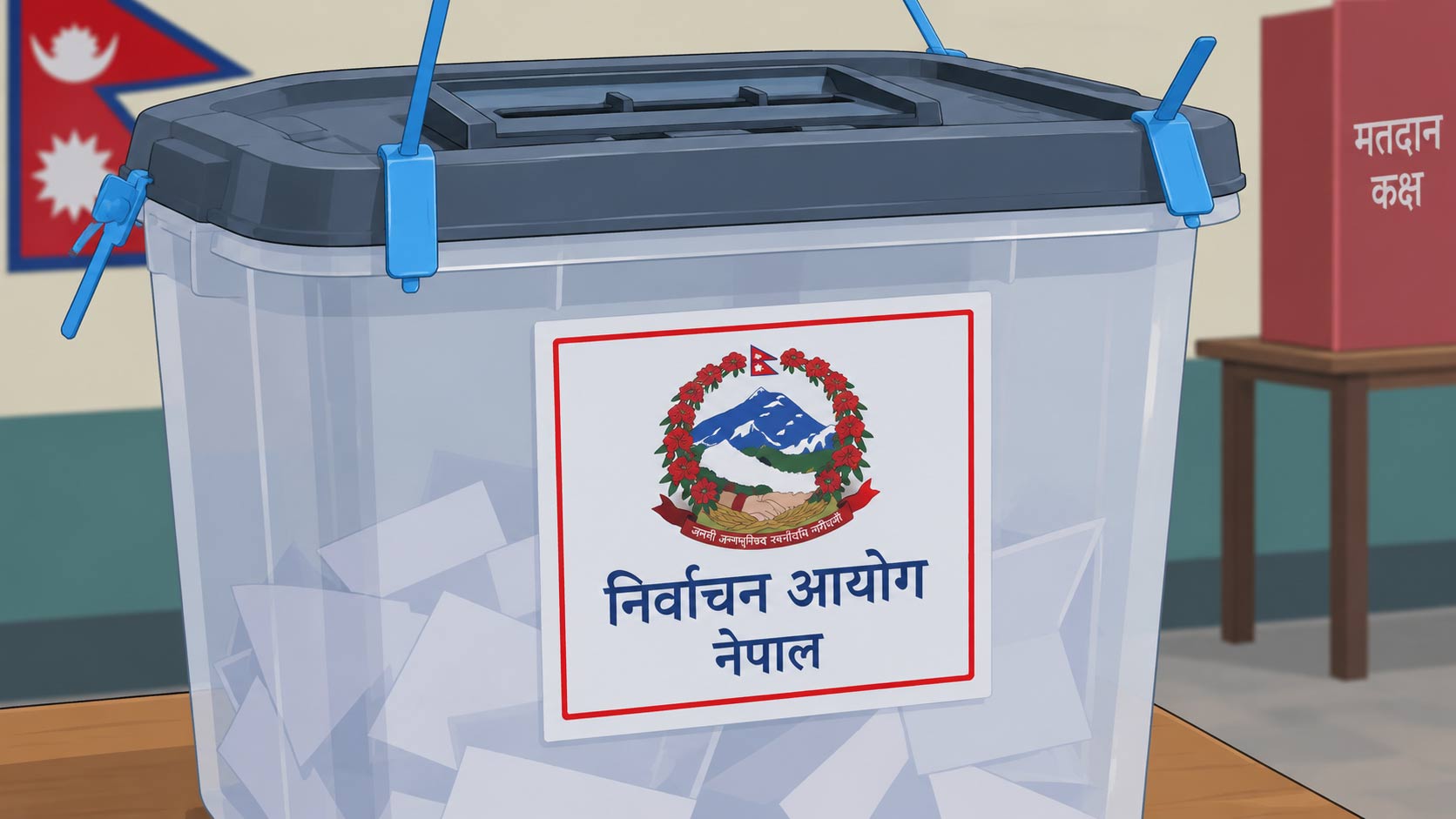
A functioning democracy needs both public opinion and institutions capable of testing facts.
Public outrage can draw attention to a problem.
It cannot, by itself, establish what happened.
The danger begins when a viral post becomes the evidence, the comment section becomes the jury and the crowd becomes the executioner of someone's reputation.
In that environment, the question is no longer whether social media can influence public opinion.
It clearly can.
The more important question is whether we are willing to slow down long enough to distinguish what we feel is true from what we can actually prove.
That may be the most important rule for a society increasingly receiving its news, forming its opinions and judging its fellow citizens through a screen.