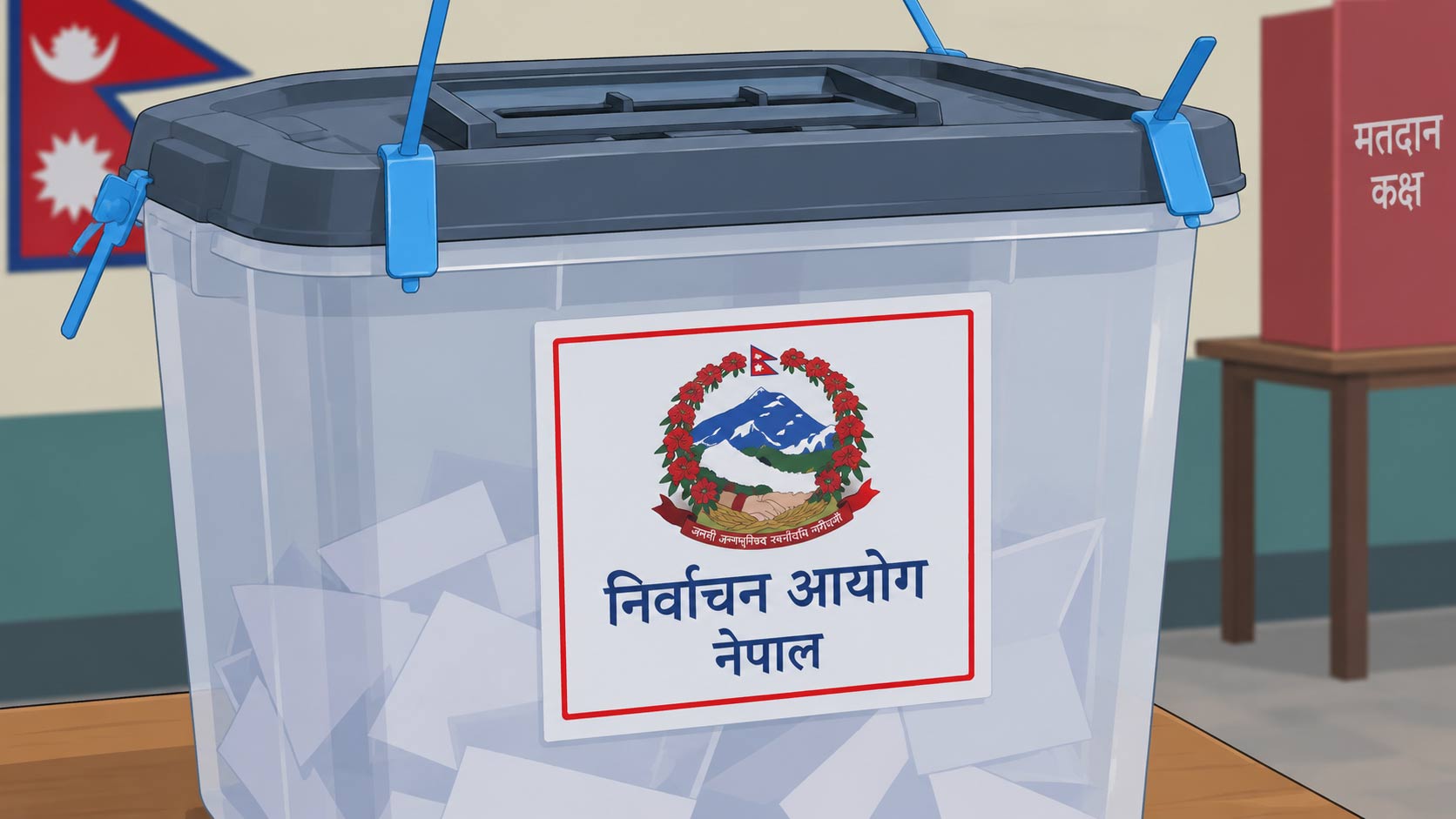
Kathmandu, October 2, 2026 — Nepal recorded 2,253 rape cases in fiscal year 2081/82, according to Nepal Police, placing rape among the country’s most frequently registered serious criminal offences. The figure is smaller than the 2,507 cases registered in the previous fiscal year, but neither number should be read as a measure of how much rape actually occurred in Nepal. They are numbers of cases that entered the police system. They tell us how many people reported to the authorities and how many cases were formally recorded. They do not tell us how many survivors remained silent, how many families decided not to approach the police, how many victims were discouraged from reporting, or how many incidents were handled privately and therefore never appeared in a national crime database.
That distinction is at the centre of a much larger problem. When a rape case becomes a news story, the public usually sees only the part of the process that can be documented: the allegation, the police investigation, the arrest, the court proceedings and, sometimes, the verdict. The person behind the case can disappear from the story almost immediately. Yet the consequences of sexual violence do not end when a headline disappears from a news website. A survivor may still be living in the same house, attending the same school, working in the same place or remaining in the same community as before. They may have to deal with family pressure, social judgement, fear, financial dependence and the uncertainty of a legal process that can take much longer than the public attention surrounding the original case.
More importantly, the police number represents only the visible part of the problem. Nepal’s 2022 Demographic and Health Survey found that 8% of women aged 15–49 had experienced sexual violence by any perpetrator, while 4% had experienced sexual violence in the preceding 12 months. Among women who had experienced physical or sexual violence, 58% had never sought help and had never told anyone about the violence. Another 14% had not sought formal help but had told someone, while 28% had sought help to stop the violence. The most common sources of help among those who sought it were their own families, neighbours and friends. These figures do not provide a count of unreported rape cases, and they should not be converted into one, but they show why police statistics cannot by themselves describe the full extent of sexual violence experienced by women in Nepal.
The difference between the two kinds of data is important because rape is a crime that depends heavily on reporting. A police database can record only what reaches the police. A household survey can reveal experiences that never entered the criminal justice system. Neither source provides the complete picture on its own, but together they show the gap between violence experienced and violence officially recorded. That gap is precisely where many of the country's least visible survivors exist: people who may never file a complaint, never undergo a formal investigation and never appear in a newspaper report, even though the event continues to affect their lives.