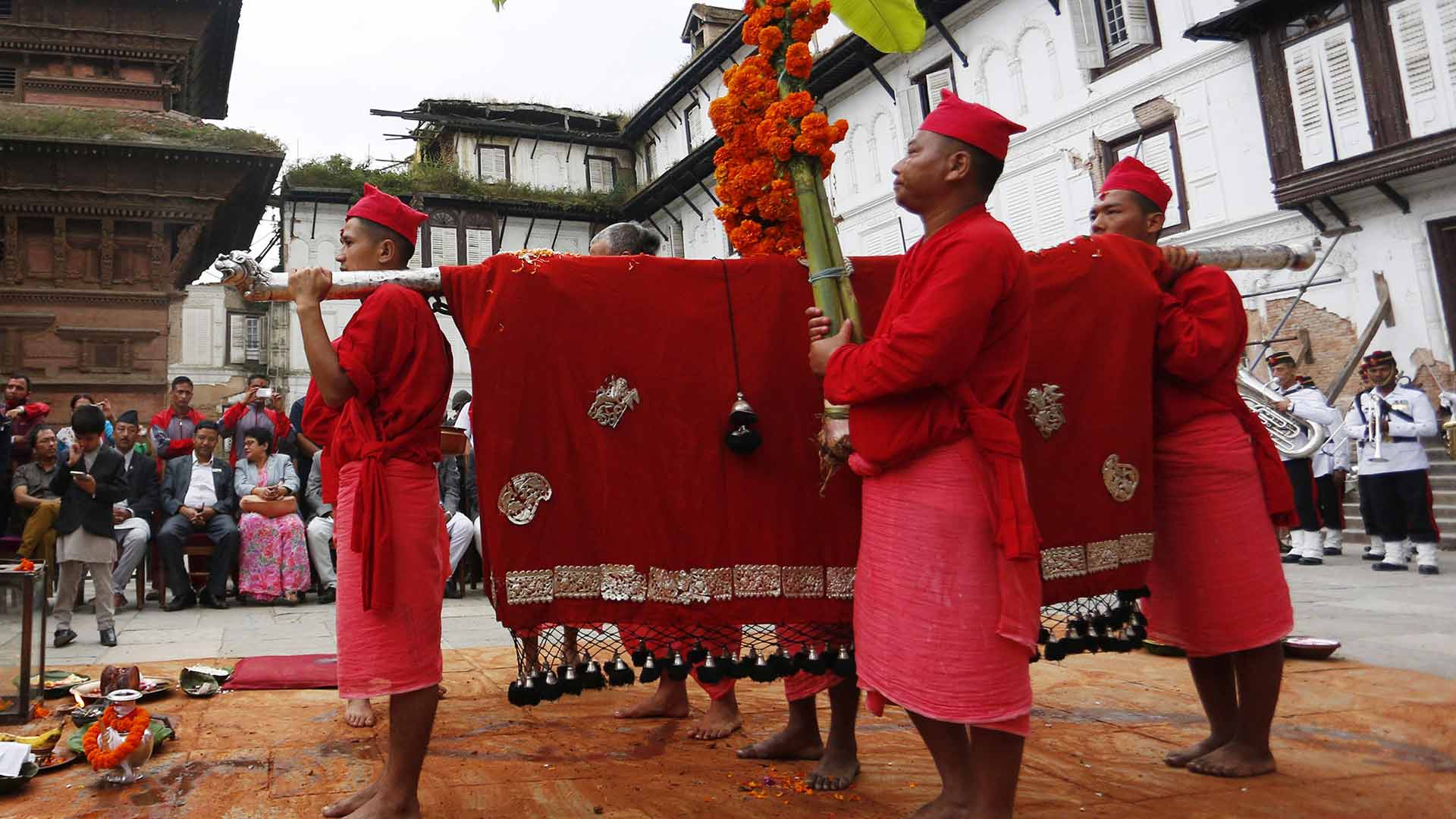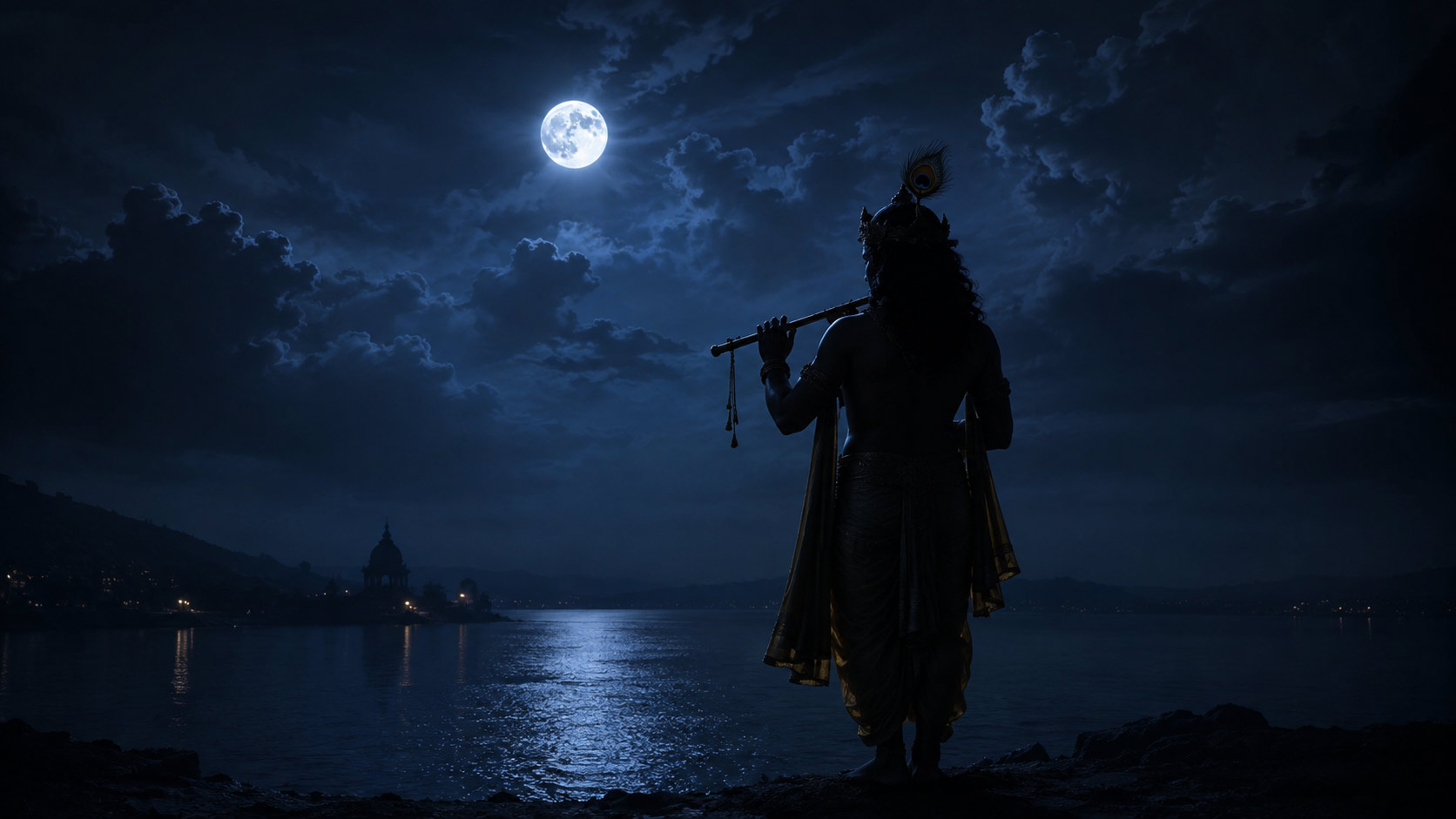
Kathmandu, September 4, 2026 — Across Nepal and other parts of the world, devotees of Lord Krishna observe Janmashtami by fasting, singing devotional songs, visiting temples and waiting for the clock to approach midnight. The most anticipated moment of the festival comes at the end of the day, when devotees celebrate Krishna’s birth with prayers, bells, chants and the ritual unveiling of the deity.
But why midnight?
According to Hindu tradition, Krishna was born at midnight on the eighth day, or Ashtami, of the dark fortnight of the month of Bhadra, in the prison of Mathura where his parents, Devaki and Vasudeva, were being held by the tyrant King Kamsa. The Bhagavata tradition describes his appearance during the darkness of night, making midnight central to the observance of Janmashtami.
The timing is closely connected to the circumstances surrounding Krishna’s birth.
Kamsa had imprisoned Devaki and Vasudeva after a prophecy warned him that Devaki’s eighth child would become the cause of his downfall. According to the traditional account, Kamsa killed their previous children, fearing that one of them might be the prophesied child. Krishna was ultimately born as their eighth child.