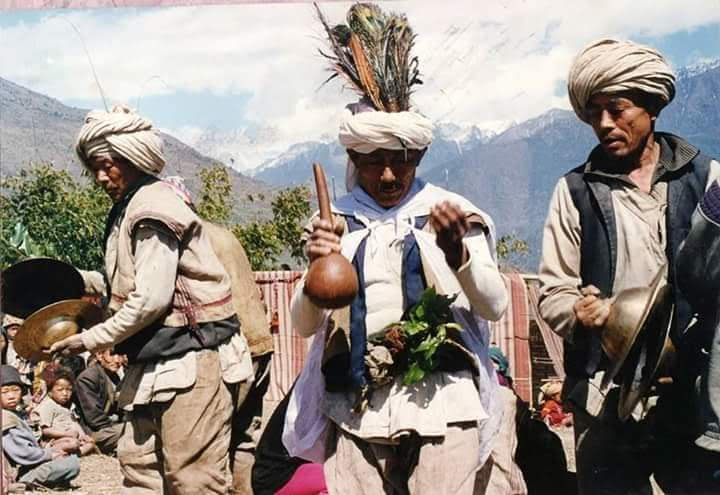
Kathmandu, August 23, 2026 — For generations, traditional healers have occupied a distinctive place in the social and cultural life of Nepal. Known by different names across communities—including dhami, jhankri, bijuwa, bombo, gurau, lama and other locally specific titles—they have traditionally combined spiritual practices, ritual knowledge and, in some cases, knowledge of medicinal plants to treat illness and provide guidance to their communities.
But the knowledge behind many of these traditions is becoming increasingly difficult to pass from one generation to the next. As villages change, young people move to cities and abroad, formal education expands and hospitals become more accessible, fewer young Nepalis appear willing to make traditional healing their vocation.
The decline does not mean traditional healing has disappeared. In many rural communities, dhami-jhankri and other traditional practitioners continue to be consulted, while some practices have adapted to contemporary settings. A 2024 study of shamanism in Khandachakra Municipality of Kalikot found that traditional shamanic practices remained in use, although modernization, education and wider exposure to global culture were changing how younger people viewed them.
The question, therefore, is not simply whether people still believe in traditional healers. It is whether there will be enough people willing to learn the knowledge required to become one.
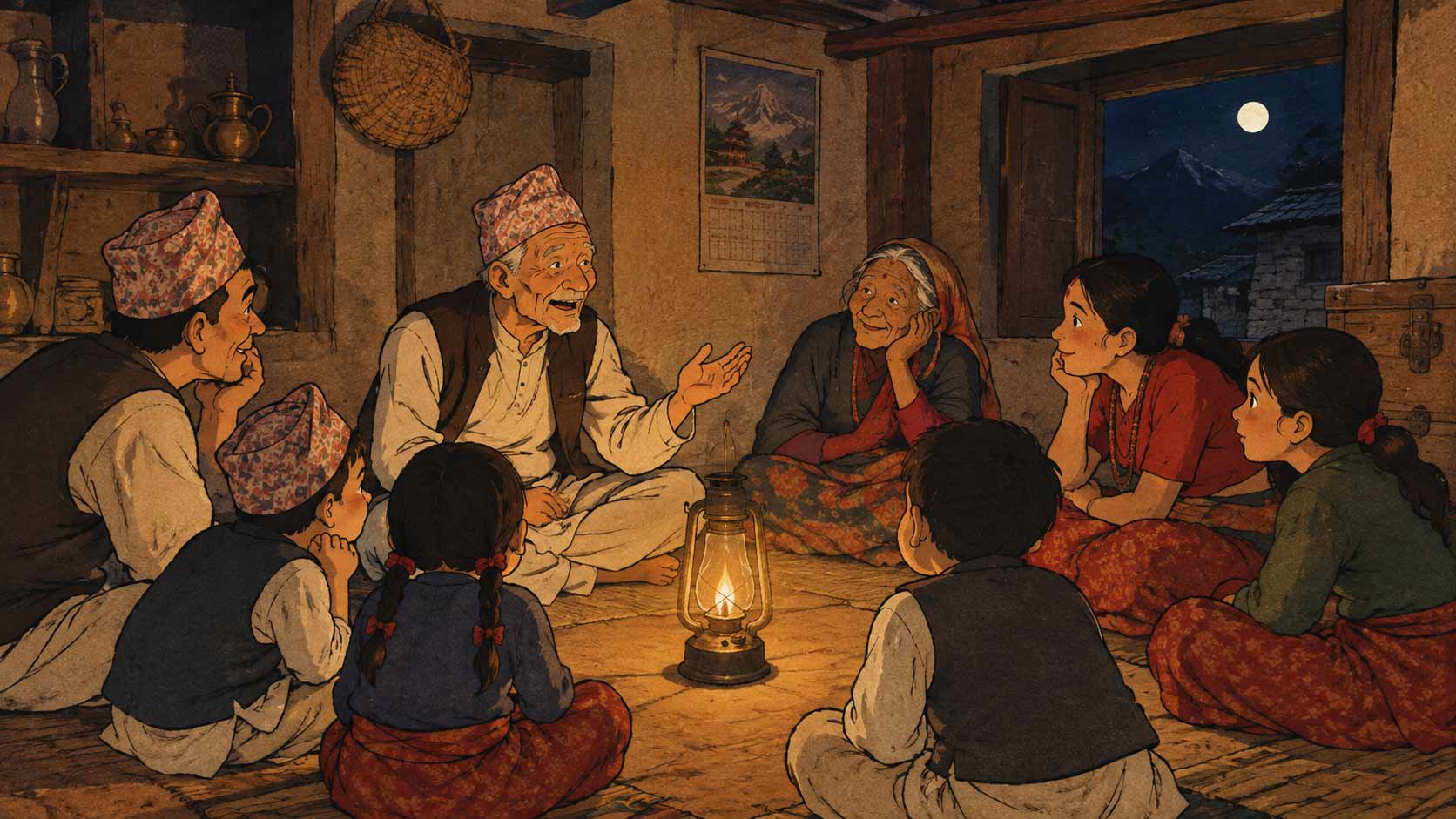
Much of this knowledge has historically been transmitted orally and through close relationships between practitioners and their teachers or elders. Research conducted for the Nepal Health Research Council found that most traditional healers surveyed said they had learned their practices from forefathers or gurus, while very few had received formal education in traditional medicine.