Kathmandu, October 2, 2026 — Long before television became a fixture in Nepali homes, and decades before smartphones turned the evening into a stream of videos, messages and social media posts, sunset meant something different in Nepal.
For many families, the end of the working day did not mean retreating into separate rooms with separate screens. It meant gathering.
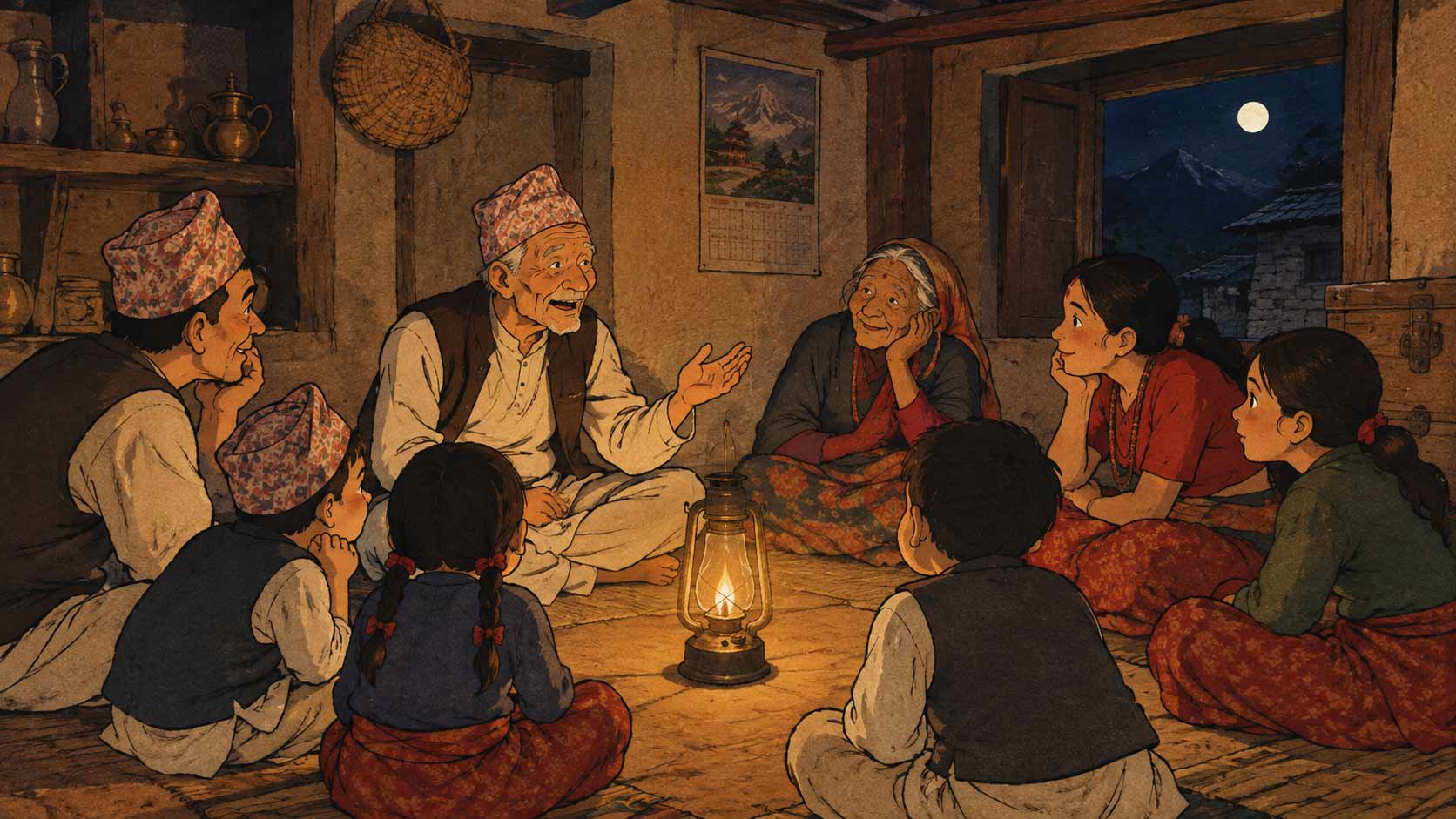
People sat together in courtyards, verandas, kitchens, village squares and chautaris. Children played outside until darkness made it difficult to see. Older people talked about the day, told stories, discussed neighbours and remembered events from their youth. In many communities, an evening could pass simply through conversation.
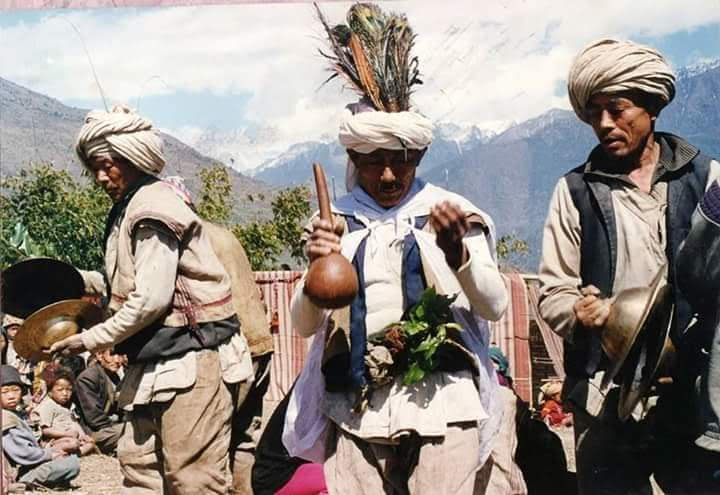
Nepal's oral storytelling tradition goes back generations. Stories about local history, myths, legends, livelihoods, festivals and family experiences were passed from elders to younger people by speaking and listening rather than by reading them in books or watching them on a screen. UNESCO describes oral storytelling as an important way Nepal's cultural knowledge and history were transmitted from one generation to another, while also noting that the practice has been declining as society modernizes and television, the internet and mobile phones become more common.
For children, grandparents and older relatives were often the evening's storytellers.