Tana Toraja, Indonesia, September 4, 2026 — In many parts of the world, death marks an immediate and irreversible separation between the living and the dead. But among the Toraja people of Indonesia’s Sulawesi island, the journey from life to death has traditionally been understood in a very different way.
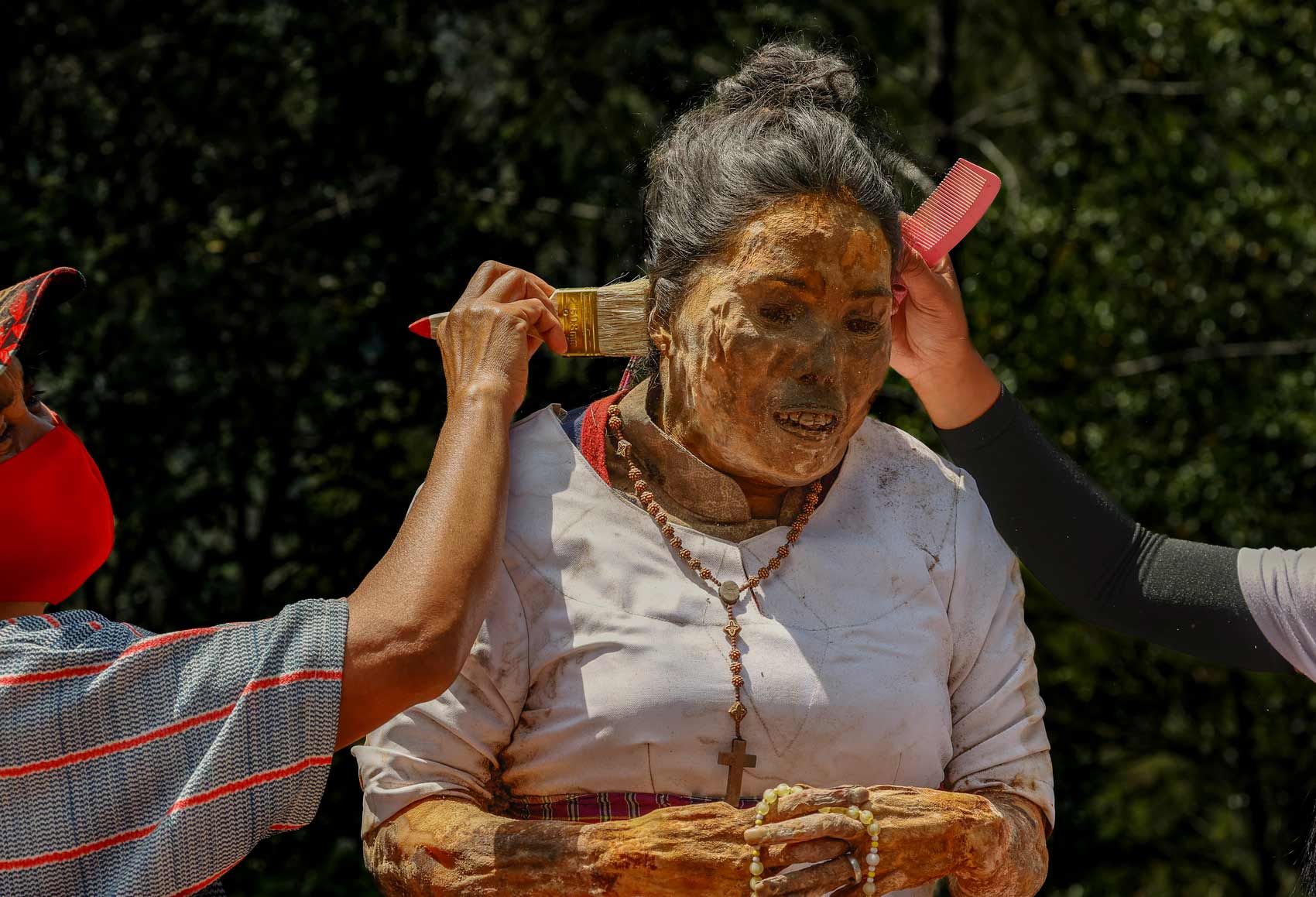
For some Toraja families, a relative who has physically died may remain at home for weeks, months or, in some cases, much longer before the final funeral ceremony takes place. During this period, the deceased may be regarded not as permanently gone but as being in a transitional state, reflecting a cultural understanding in which death is a gradual process rather than a single, immediate event.
To outsiders, the idea of living in the same house as a deceased family member can appear difficult to comprehend. Within the cultural traditions of the Toraja, however, these practices are deeply connected to family, ancestry, grief, social responsibility and the belief that the relationship between the living and the dead does not necessarily end at the moment of biological death.
The Toraja people live primarily in the mountainous regions of South Sulawesi, Indonesia. Their culture is internationally known for its distinctive funeral customs, traditional Tongkonan houses and elaborate rituals surrounding death and ancestors. Although many Toraja people today are modernized or follow Christianity, traditional customs continue to hold an important place in the region's cultural identity.
When death is a gradual transition
In traditional Toraja belief, the physical death of a person does not always mark their immediate social departure from the family.