Culture & Lifestyle
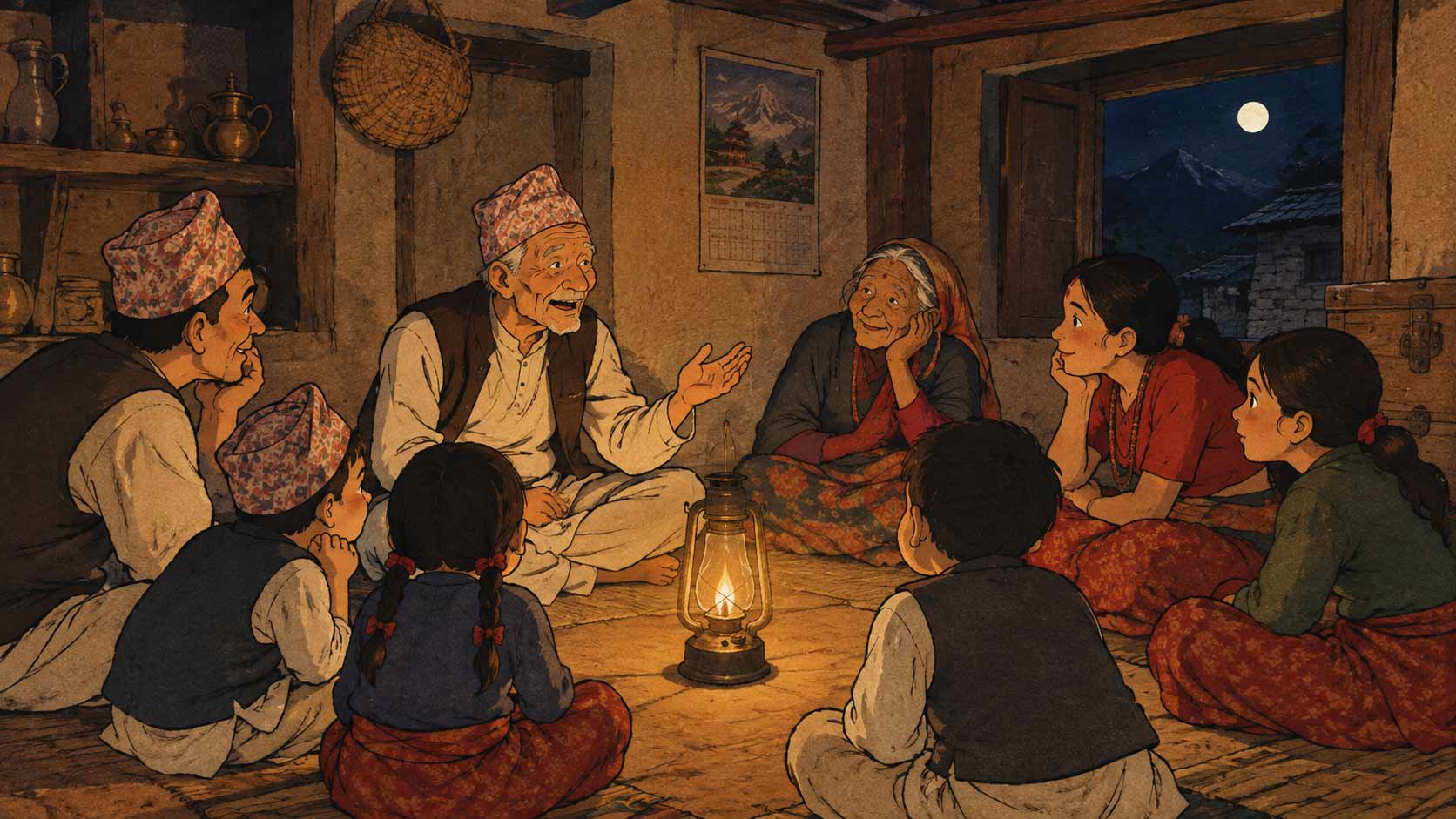
Before screens took over: How Nepalis spent their evenings
Before television, internet and smartphones, Nepali evenings revolved around storytelling, conversation, music, games, radio, cinema and shared community life across generations.
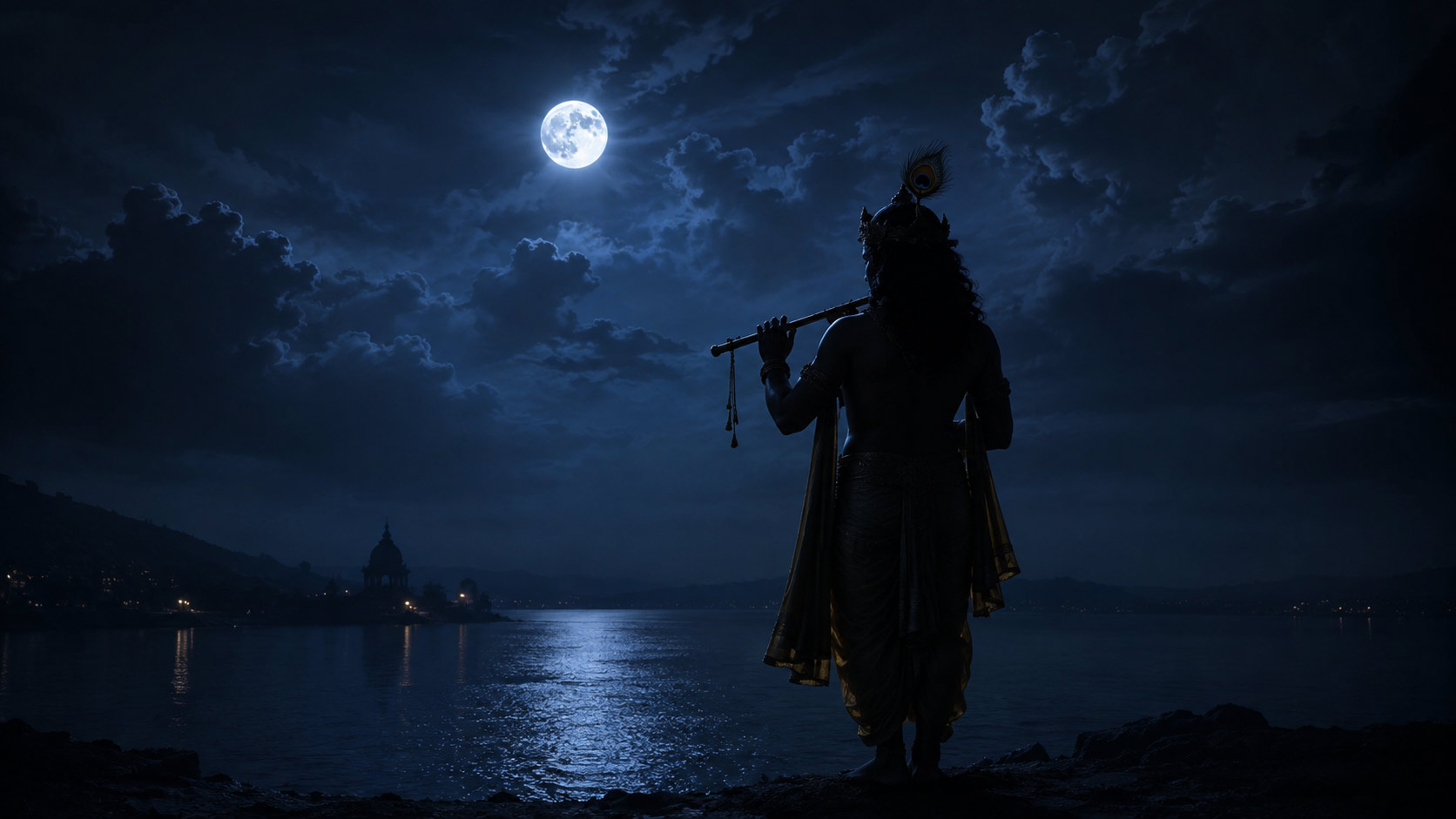
Why Krishna Janmashtami is celebrated at midnight?
Janmashtami devotees celebrate Krishna’s traditional midnight appearance, linked to his birth in Mathura’s prison on Bhadra Ashtami, symbolizing divine light emerging from darkness, fear and oppression.

From K-pop to anime: How global pop culture reaches Nepal
K-pop, Korean dramas, anime and manga have built growing audiences in Nepal, with social media, fan communities, cosplay and cultural festivals helping global entertainment become locally rooted.
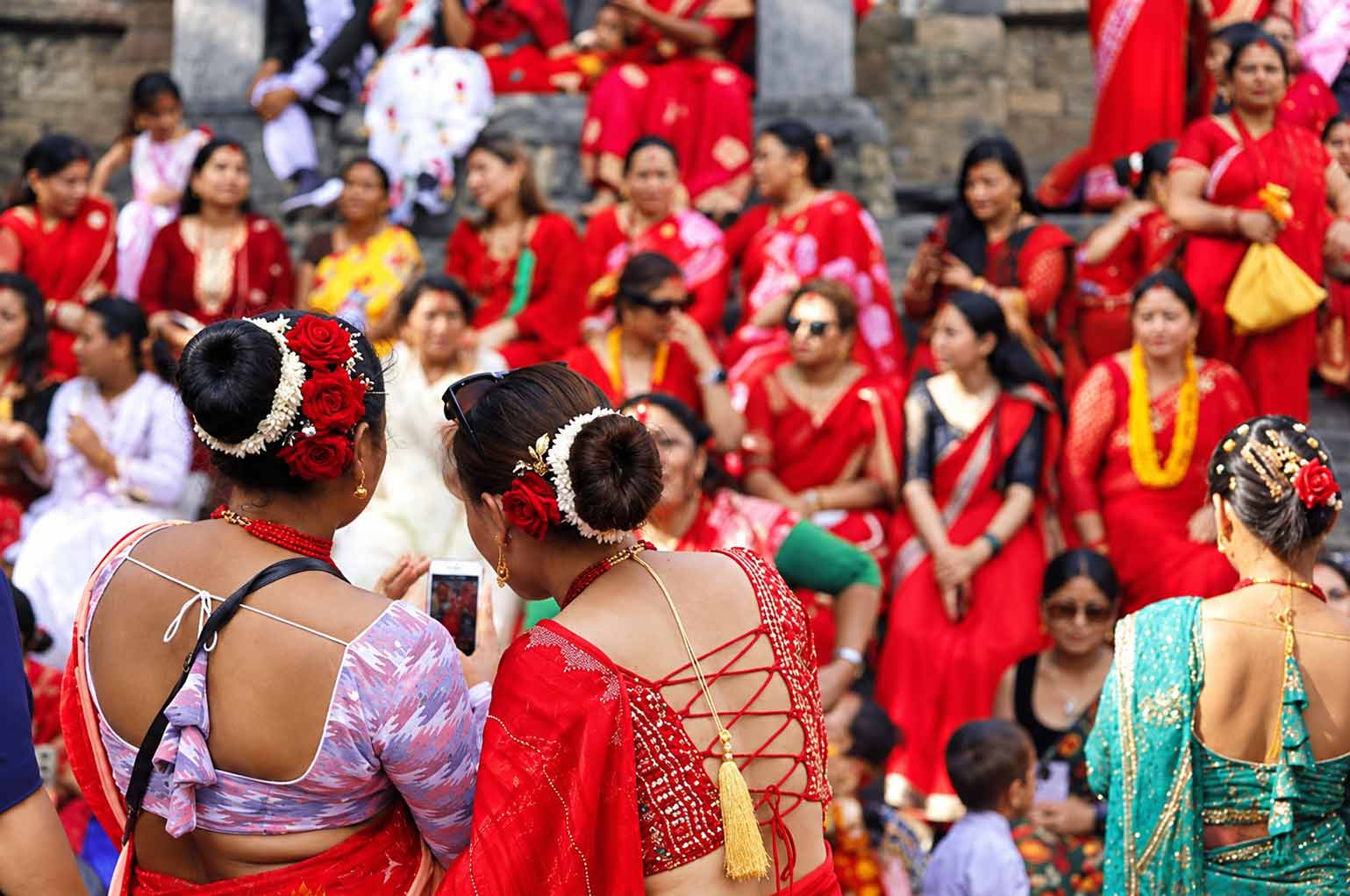
Teej begins today: How Nepal’s women are celebrating the festival in 2026
Nepal’s Teej festivities begin with Dar Khane Din on September 13, followed by Haritalika Teej fasting on September 14, as women gather for food, worship, music and cultural celebration.
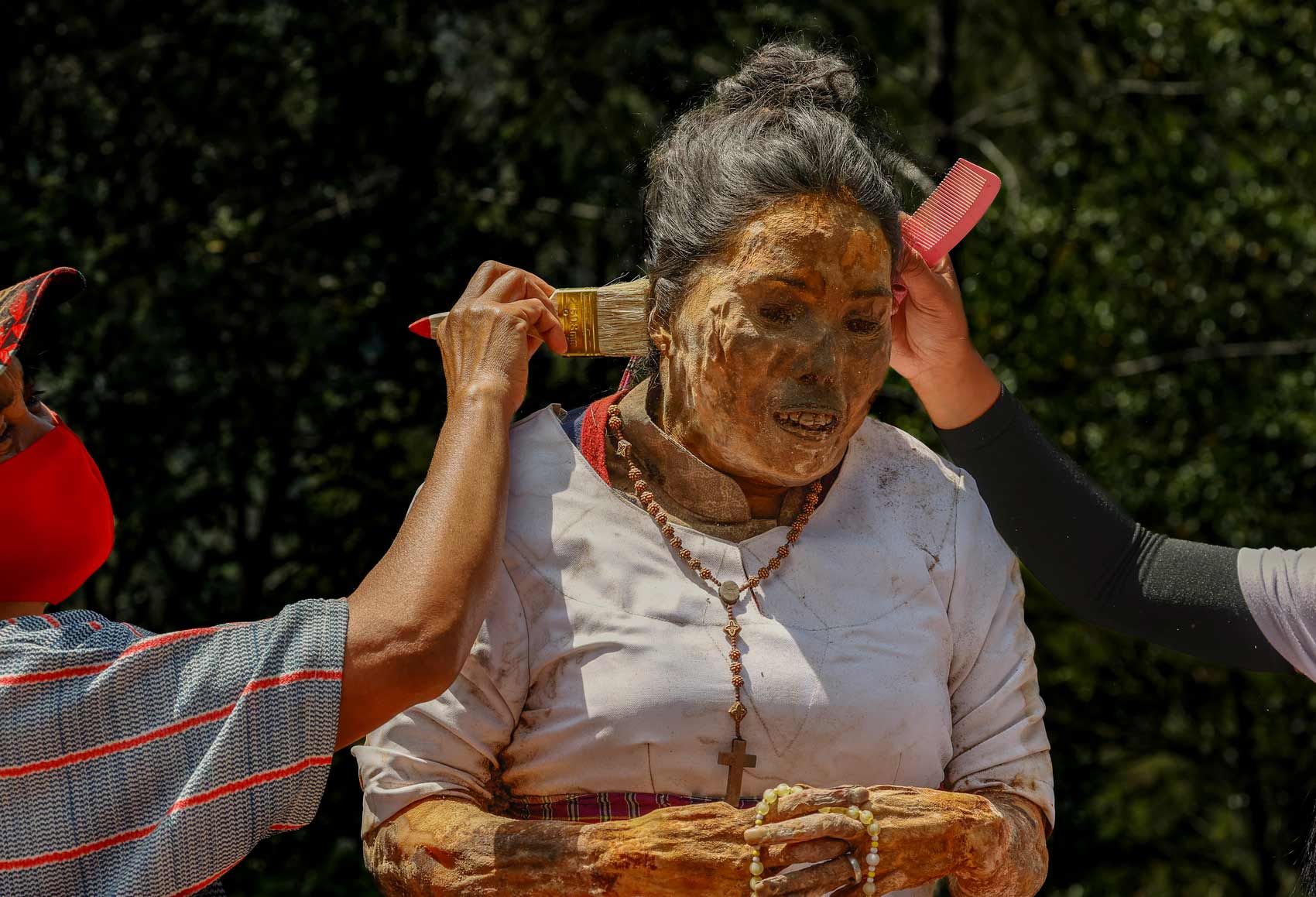
Living with the dead: Indonesia’s Toraja tradition and a different understanding of death
Among Indonesia’s Toraja people, deceased relatives may remain at home for months or years before Rambu Solo’ funerals, while Ma’nene rituals continue honoring ancestors after burial.
Travel
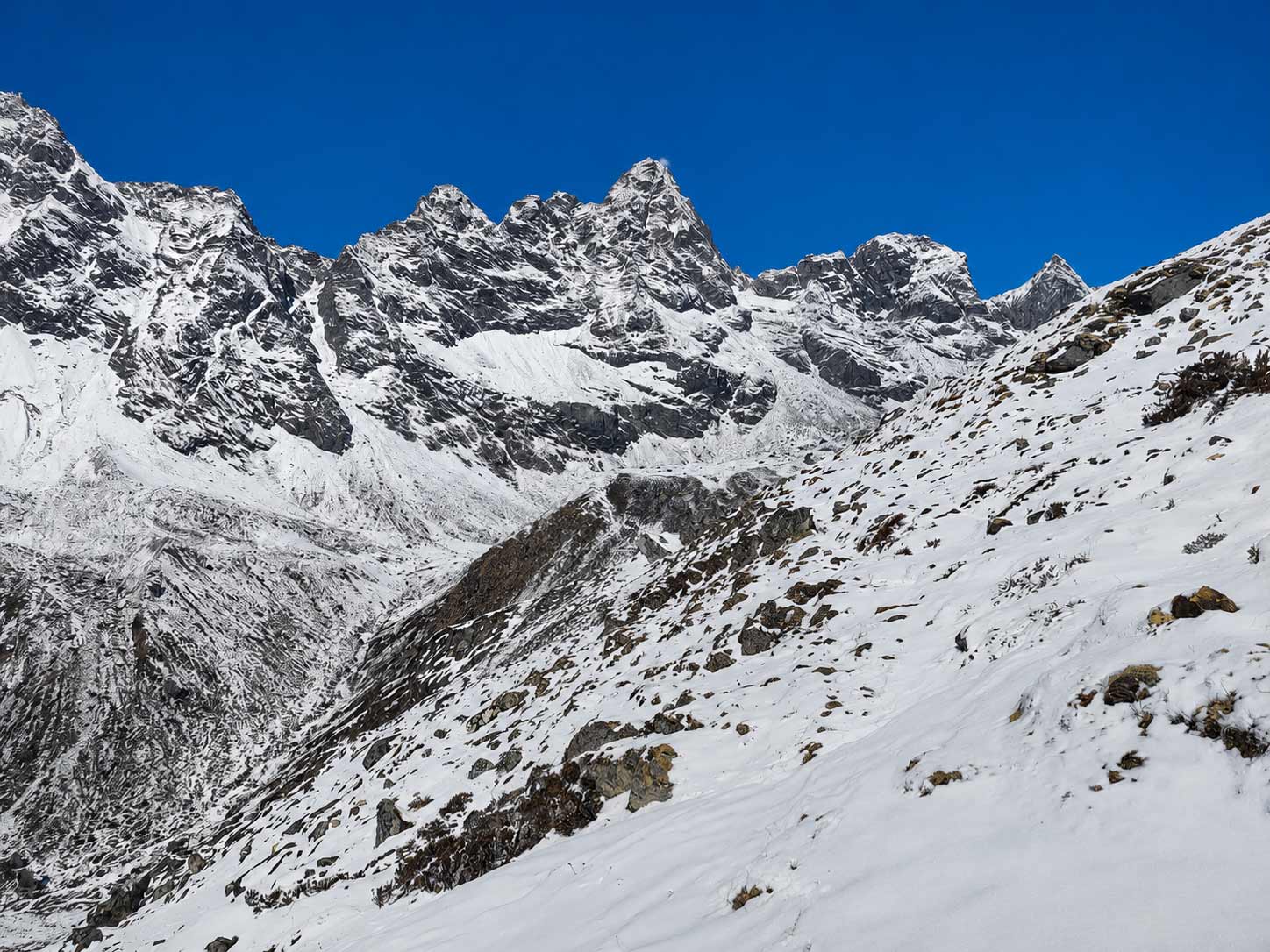
Nepal in winter as a trekking destination: do people really trek during the cold months?
Winter trekking in Nepal remains possible from December to February, offering clearer skies, fewer crowds and quieter trails, but colder temperatures, snowfall and altitude require careful preparation.