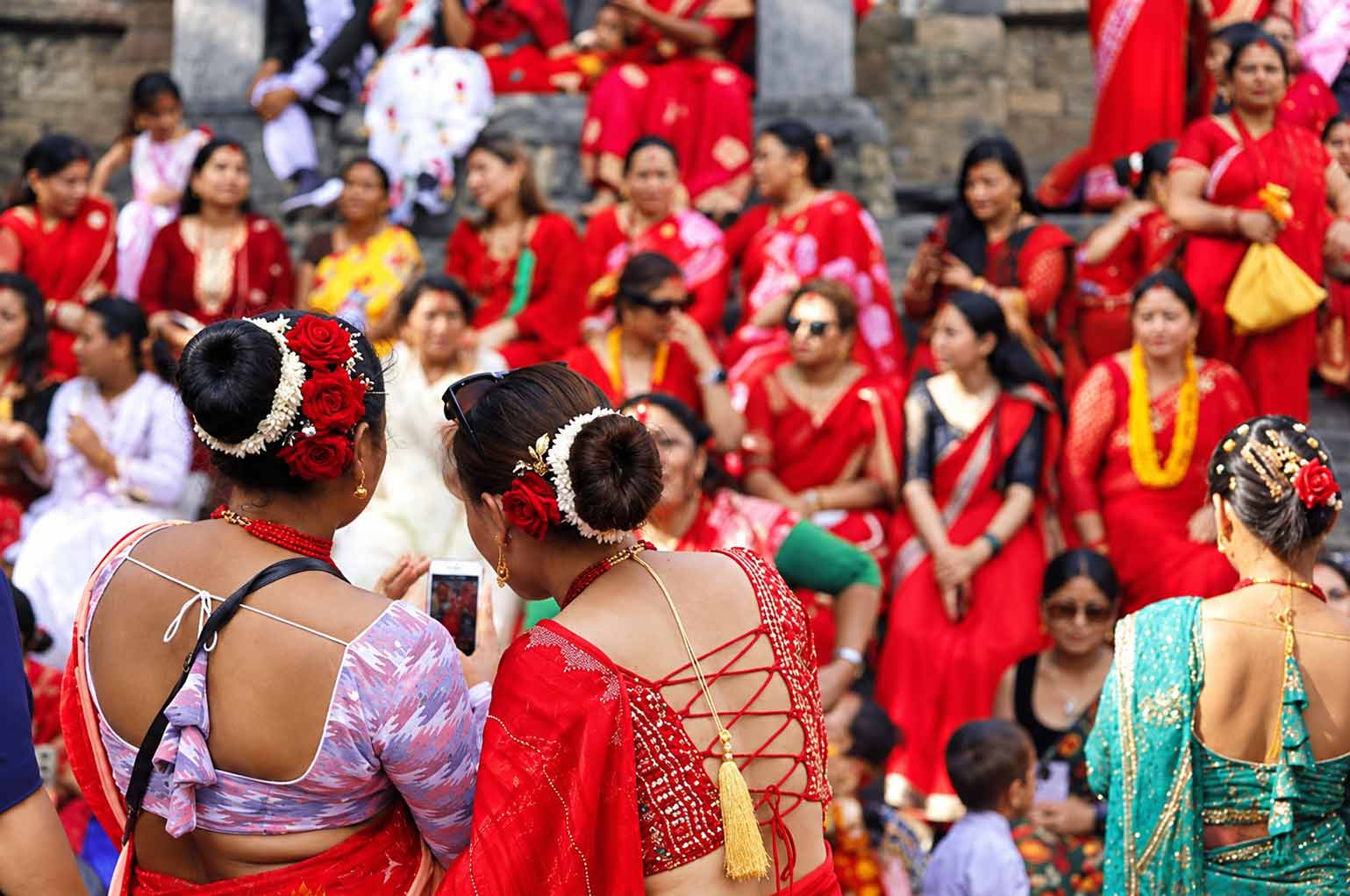
Kathmandu, September 13, 2026 — Nepal’s Teej festivities begin today with Dar Khane Din, when women gather with relatives, friends and women’s groups for a celebratory feast before the main fasting day of Haritalika Teej on Monday.
Although the festival is commonly referred to simply as Teej, its observance unfolds over several days. This year, Dar Khane Din falls on Sunday, September 13, while the principal Haritalika Teej fasting and worship will take place on Monday, September 14. Rishi Panchami follows on September 16.
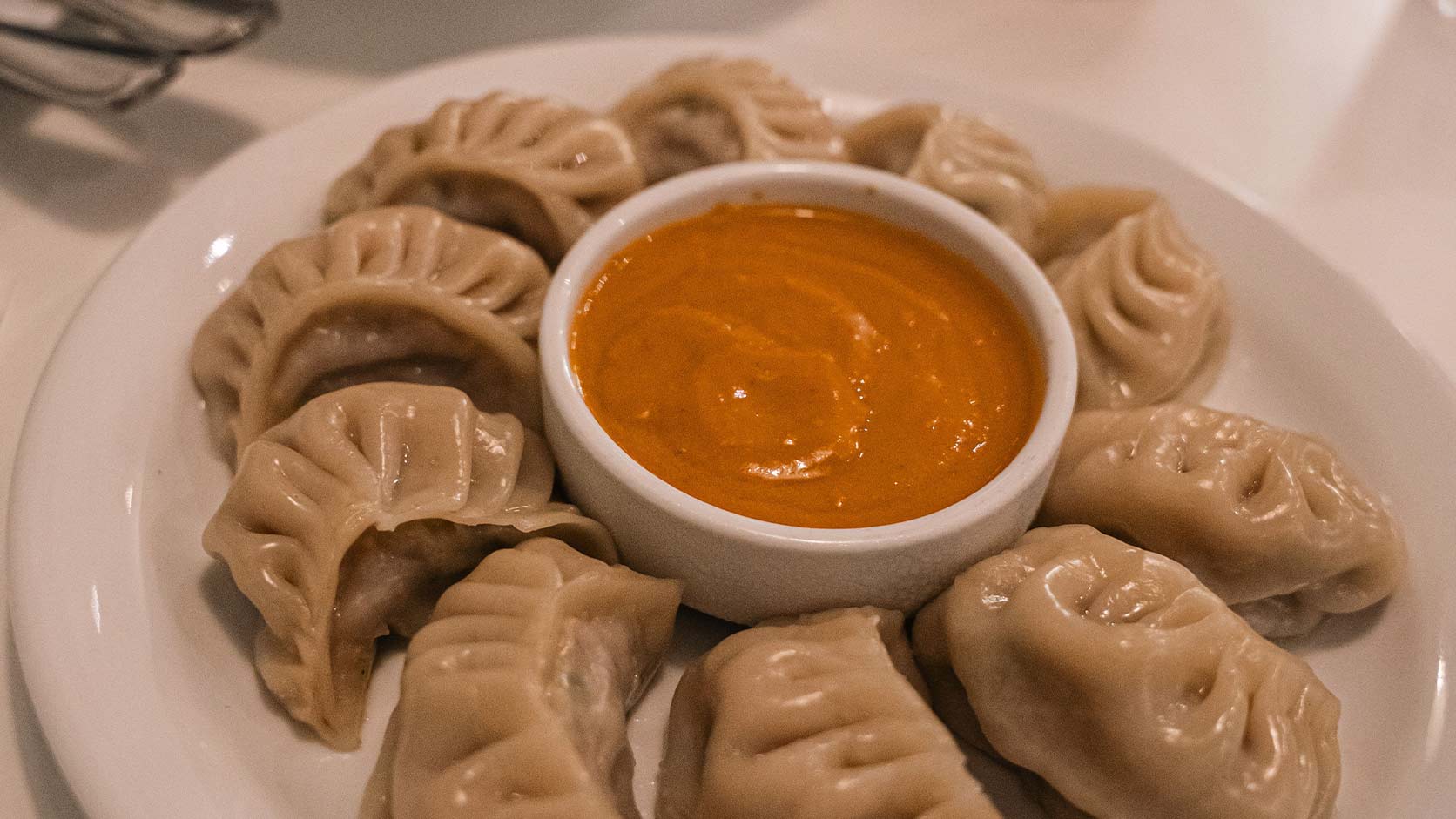
Dar is traditionally the last substantial meal before women begin the Teej fast. Families and groups gather for food, music, dancing and conversation, turning what was once primarily a household tradition into a much broader social celebration.
Across Kathmandu and other parts of Nepal, Teej programmes have become increasingly visible in the days leading up to the festival. Women’s groups, workplaces, community organisations, restaurants and event venues organise Dar gatherings featuring traditional and contemporary Teej songs, dancing and elaborate meals.
Red clothing remains one of the most recognisable features of Teej. Women traditionally wear red saris, kurtas and other festive clothing, often complemented by jewellery, bangles, tika and mehendi. The colour has become so closely associated with the festival that Teej celebrations frequently transform temples, courtyards and public spaces into gatherings dominated by red attire.