Public Stories

Beyond the headline: What happens to the thousands of rape cases we never hear about?
Nepal recorded 2,253 rape cases in fiscal year 2081/82, but survey data show widespread non-disclosure of violence, revealing the limits of police statistics in measuring sexual violence.
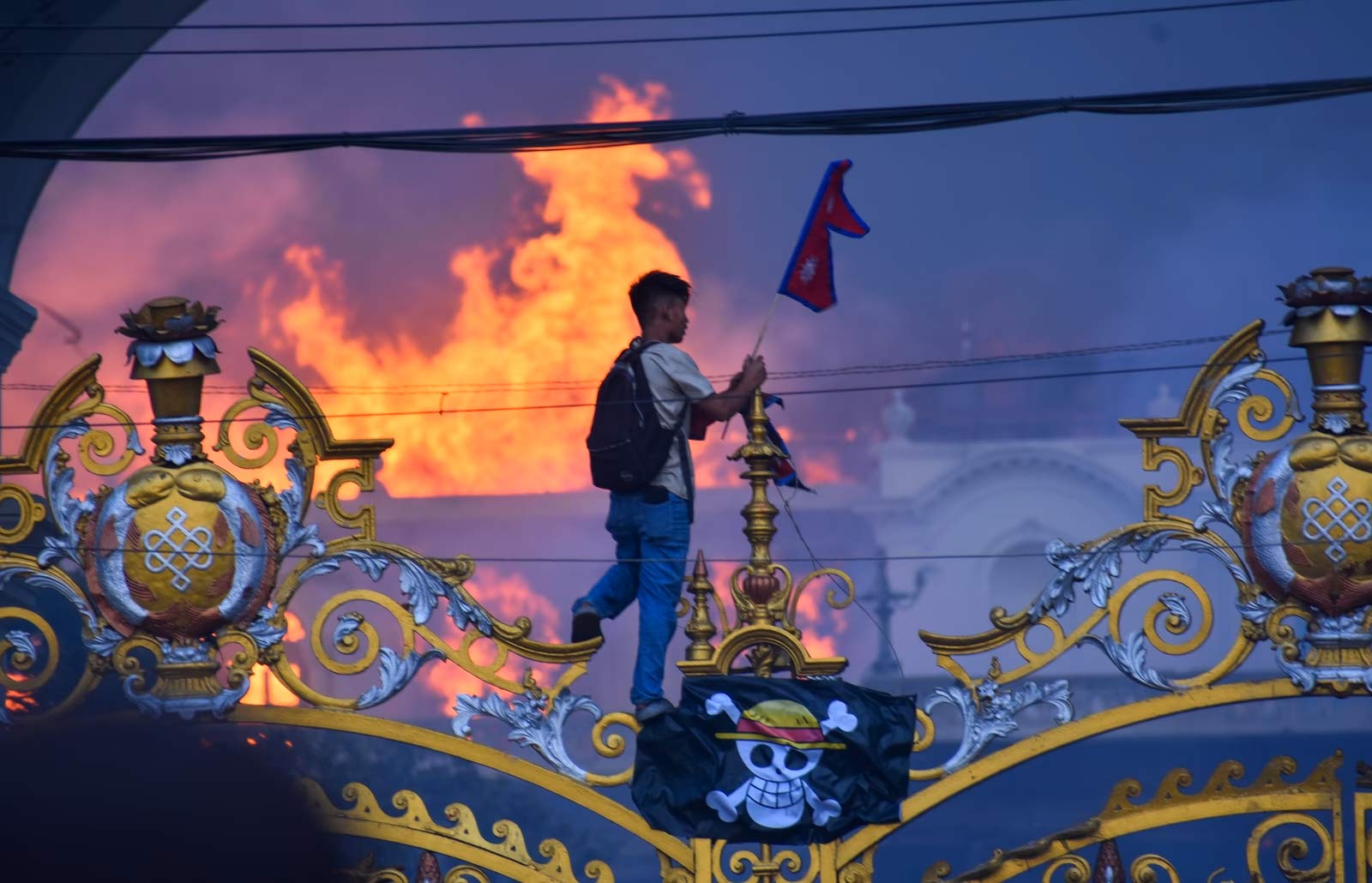
One year after Nepal’s Gen Z movement: A generation awakened, but is Nepal changing with it?
One year after Nepal’s September 2025 Gen Z protests killed 76 and injured 2,638, political leadership changed, but victims still await justice, compensation and promised reforms.

I told AI because I couldn’t tell anyone else
As more people disclose painful feelings to AI, Nepal’s mental health stigma raises a deeper question: why can a machine sometimes feel safer than talking to another person?
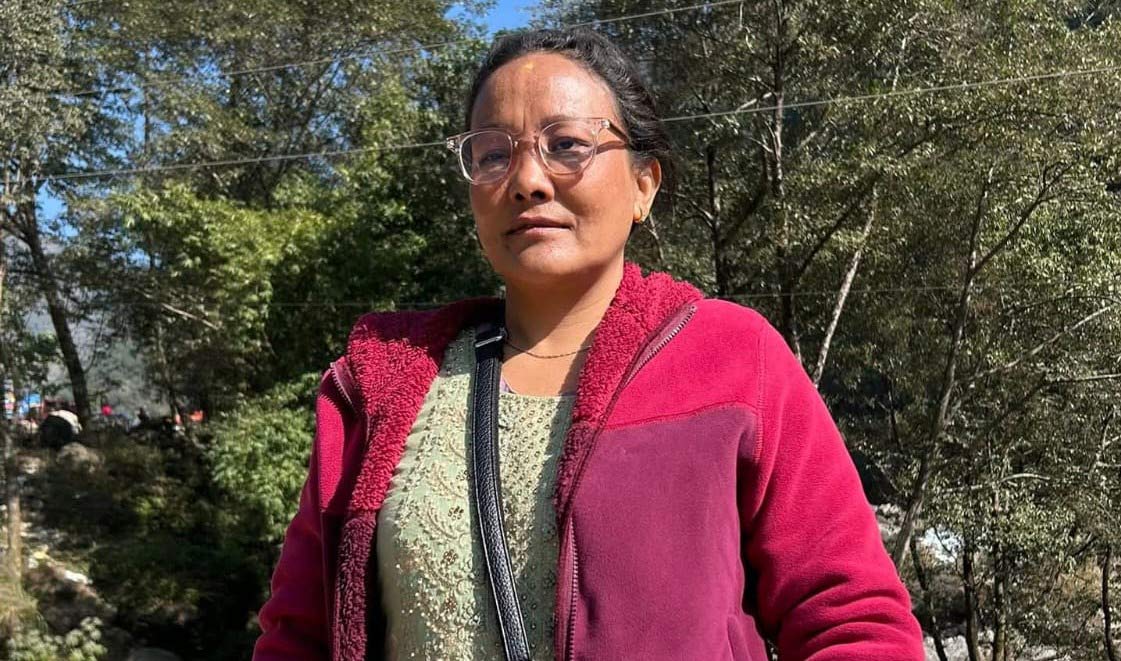
Rasuwa flood survivor Pratima Lama lost her home and loved ones. Now she wants to start again in Kathmandu
Pratima Lama, a blind teacher from Rasuwa, survived the August 26 flood but lost her home, shop, relatives and school community and now seeks transfer to Kathmandu Valley.
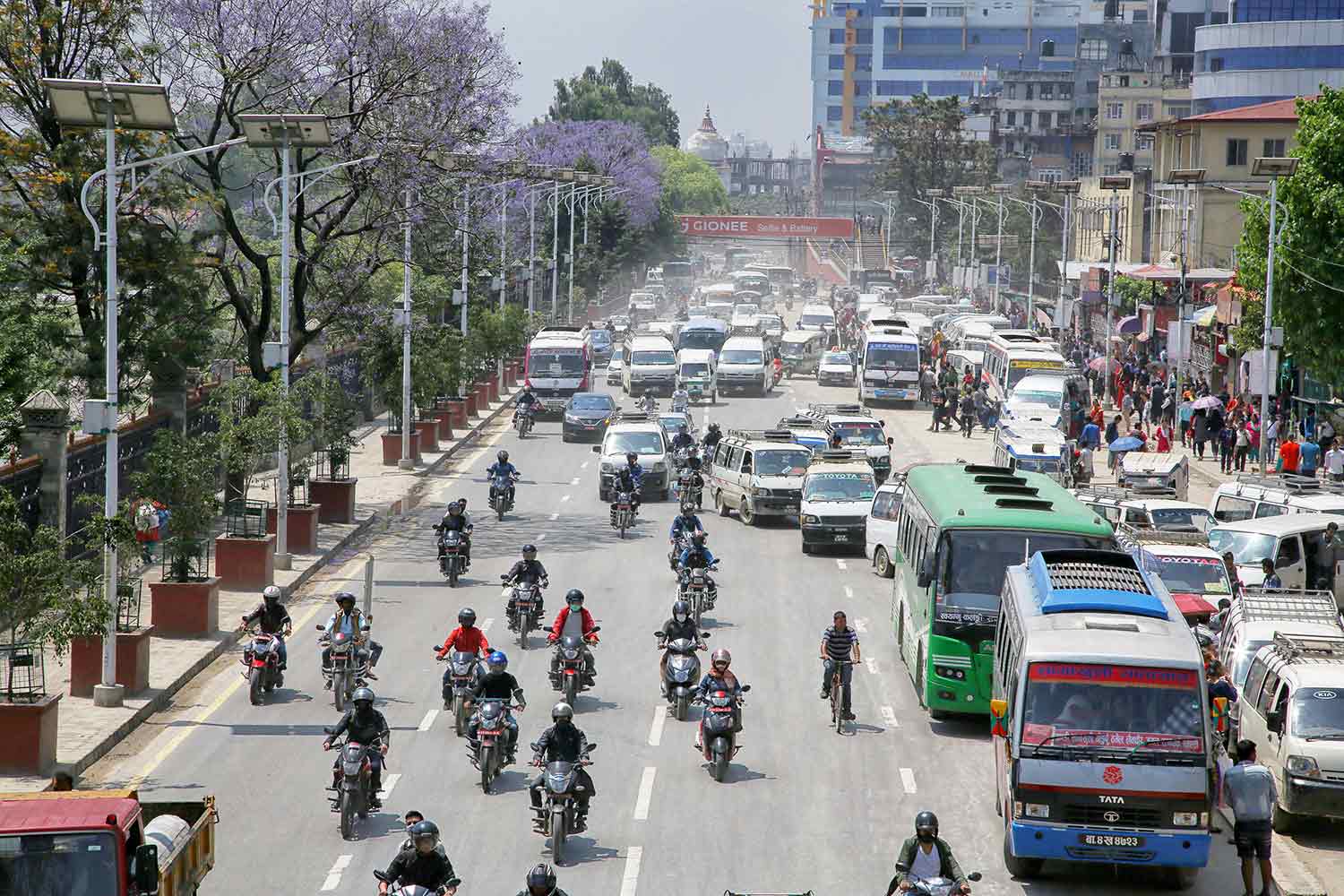
Why public transportation remains difficult for many people in Nepal?
Nepal's public transport remains difficult because of overcrowding, unreliable service, harassment, fare disputes and weak enforcement, creating daily safety and affordability problems, particularly for women.