4. A more “authentic” feeling
Villages are quieter, and the trekking experience feels less commercial.
But these advantages come with trade-offs: cold mornings, shorter daylight hours, and the need for proper gear.
Is winter trekking safe in Nepal?
Yes—but only with the right preparation.
The Nepal Tourism Board consistently emphasizes safety in the mountains, especially regarding altitude gain, weather awareness, and proper acclimatization. Winter adds another layer of caution: unpredictable snowfall and colder-than-expected nights.
In simple terms:
- Lower altitude treks = generally safe and accessible
- Mid altitude treks = possible with preparation
- High altitude treks = only for experienced or well-supported trekkers
Guides are strongly recommended for unfamiliar routes, especially in regions like Langtang, Helambu, and Everest.
What kind of treks work best in winter?
Winter is not the season for extreme expeditions. Instead, it is ideal for:
- Short scenic treks near Pokhara
- Cultural village trails
- Moderate multi-day routes with teahouses
- Lower Himalayan ridge walks
- Flexible itineraries that can adjust to weather
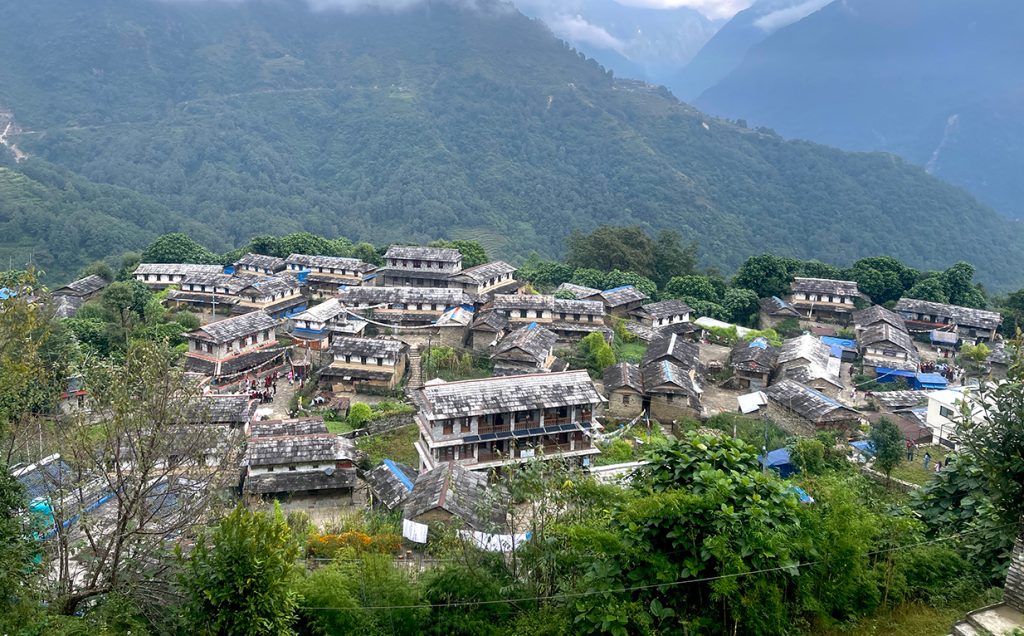
This is why destinations like Ghandruk, Panchase, Australian Camp, Nagarkot–Chisapani, and parts of Langtang and Helambu remain popular even in colder months.
The real beauty of winter trekking in Nepal
If autumn is Nepal’s “festival season” for trekking, winter is its “quiet chapter.”
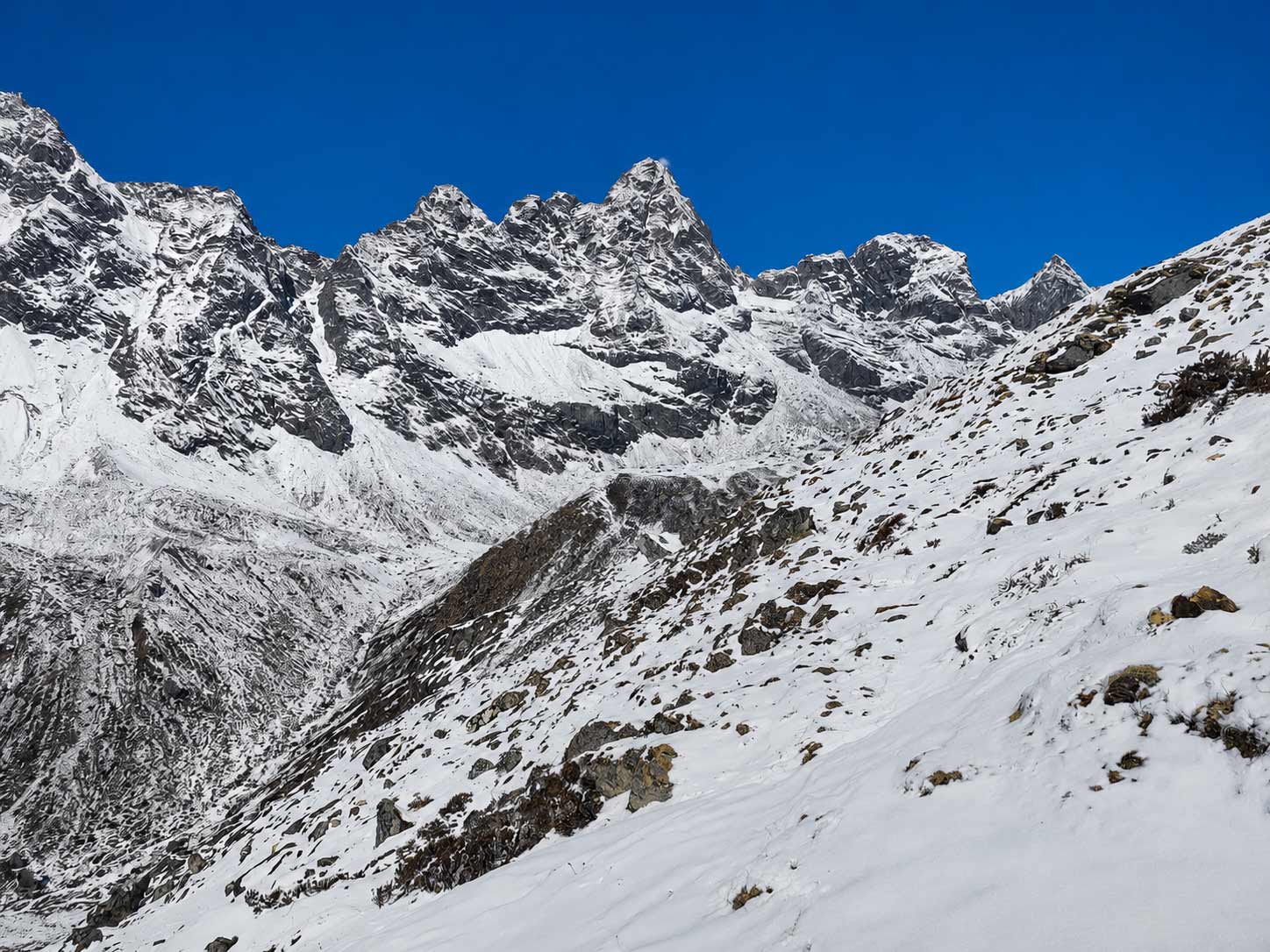
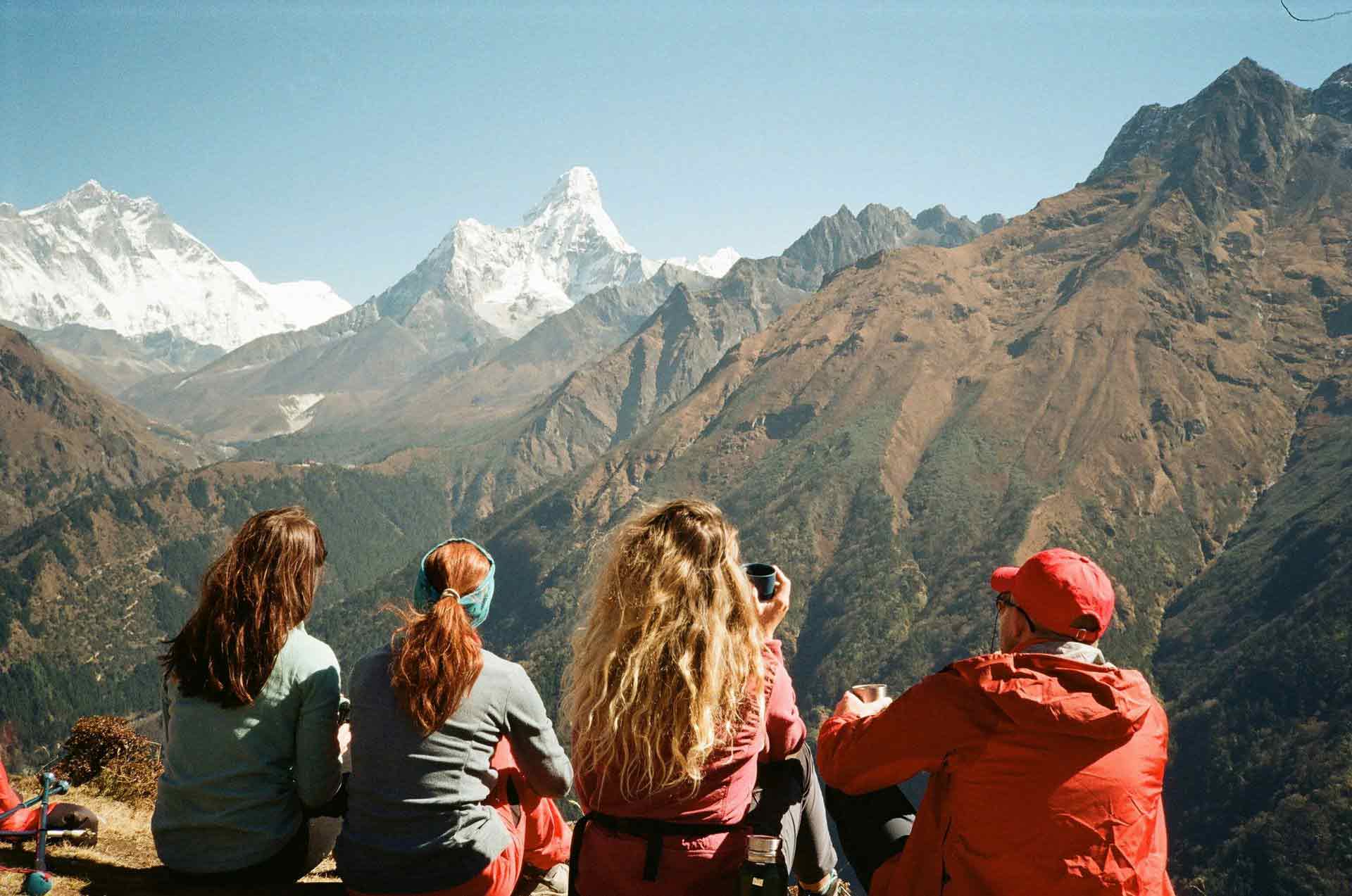
There is something unique about standing on a ridge in January, watching the sun rise over snow-covered peaks while the valley below remains wrapped in mist. The silence is different. The air feels sharper. Even the footsteps on frozen trails sound louder.
It is not the easiest time to trek in Nepal—but it might be the most memorable for those who are prepared.
Final thoughts
So, do people trek in Nepal during winter?
Yes—they do. But not in the same way as autumn.
Winter trekking is slower, colder, quieter, and more selective. It is a season that rewards those who choose wisely rather than those who go far.
For beginners, the key is not to chase altitude, but to chase experience: clear views, safe routes, and manageable conditions. For experienced trekkers, winter offers something rare in today’s busy trekking world—space, silence, and solitude in the Himalayas.
As Nepal’s winter window approaches, one thing becomes clear:
The mountains do not close in winter. They simply change their mood.