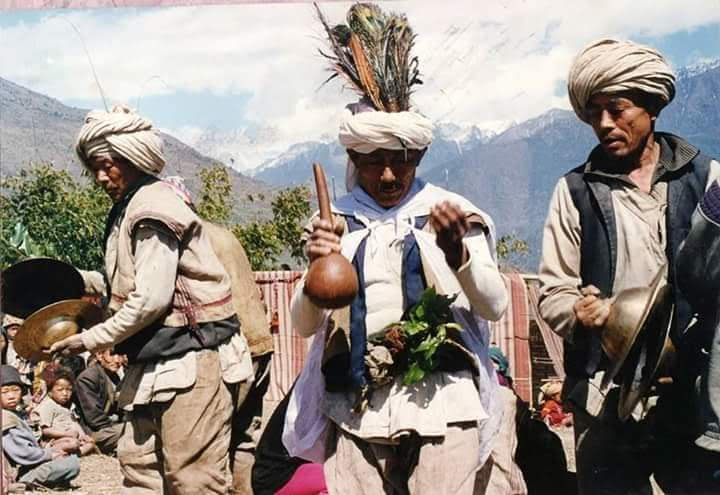
Kathmandu, August 28, 2026 — Nepal will celebrate Janai Purnima on Friday, bringing together religious rituals, family traditions and community practices that have made the full moon of Shrawan one of the country’s important festivals. The festival falls on Bhadra 12, 2083, and is also observed as Raksha Bandhan, Rishitarpani and Kwati Punhi in different traditions.
For many Hindu men, particularly among Brahmin and Chhetri communities, the day marks the annual changing of the janai, the sacred thread worn across the body. The ritual is traditionally performed after a ceremonial bath and religious observances, symbolizing purification and renewal.
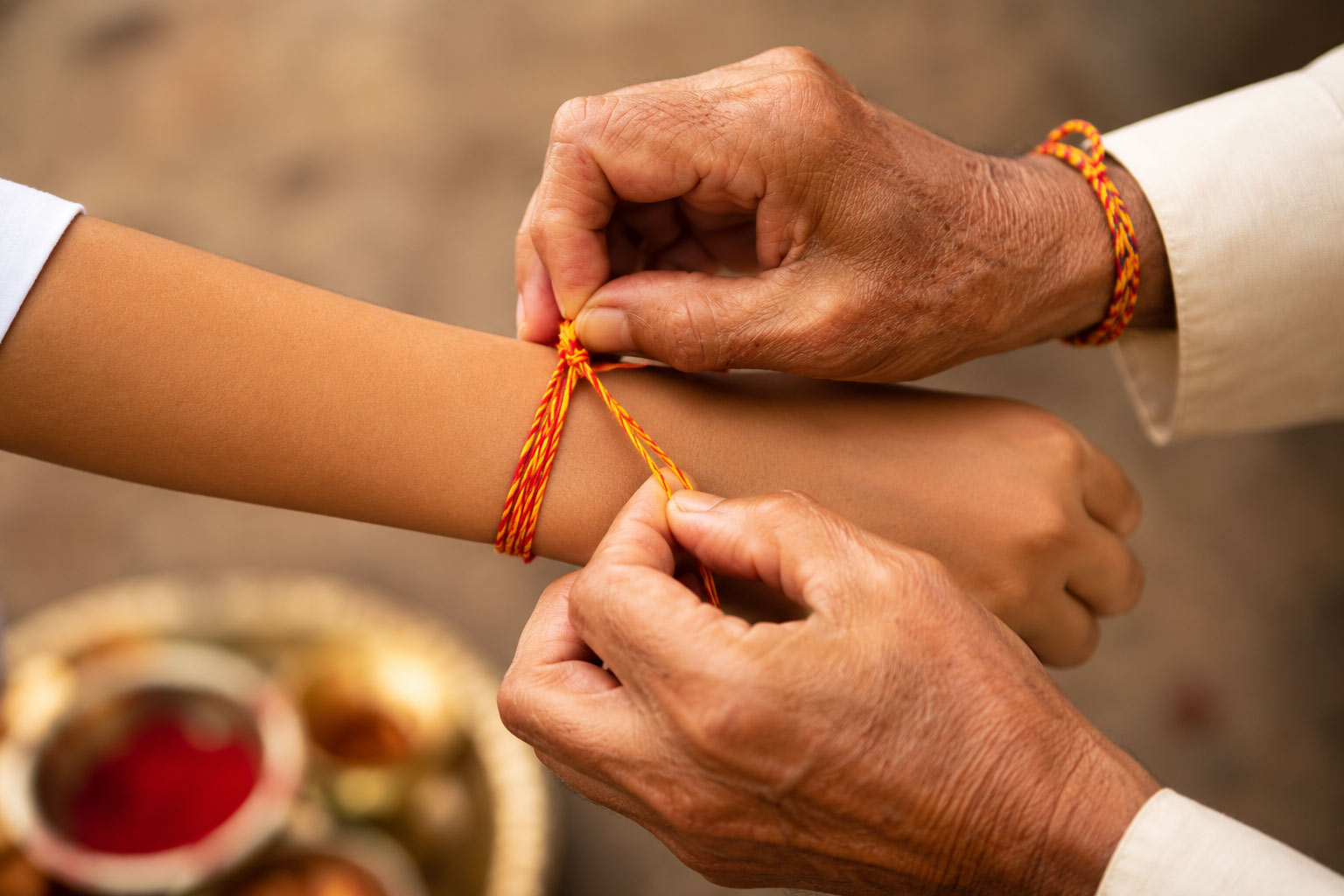
The festival also has a broader meaning beyond the changing of the sacred thread. Across Nepal, people receive a protective thread, commonly known as doro or raksha bandhan, tied around the wrist. The thread is regarded as a symbol of protection, good fortune and spiritual well-being.
Janai Purnima is also known as Rishitarpani, a name associated with rituals performed in honour of sages. On this occasion, devotees observe religious rites and make offerings as part of an established tradition of expressing respect to the rishis, or sages, regarded in Hindu tradition as sources of spiritual knowledge.
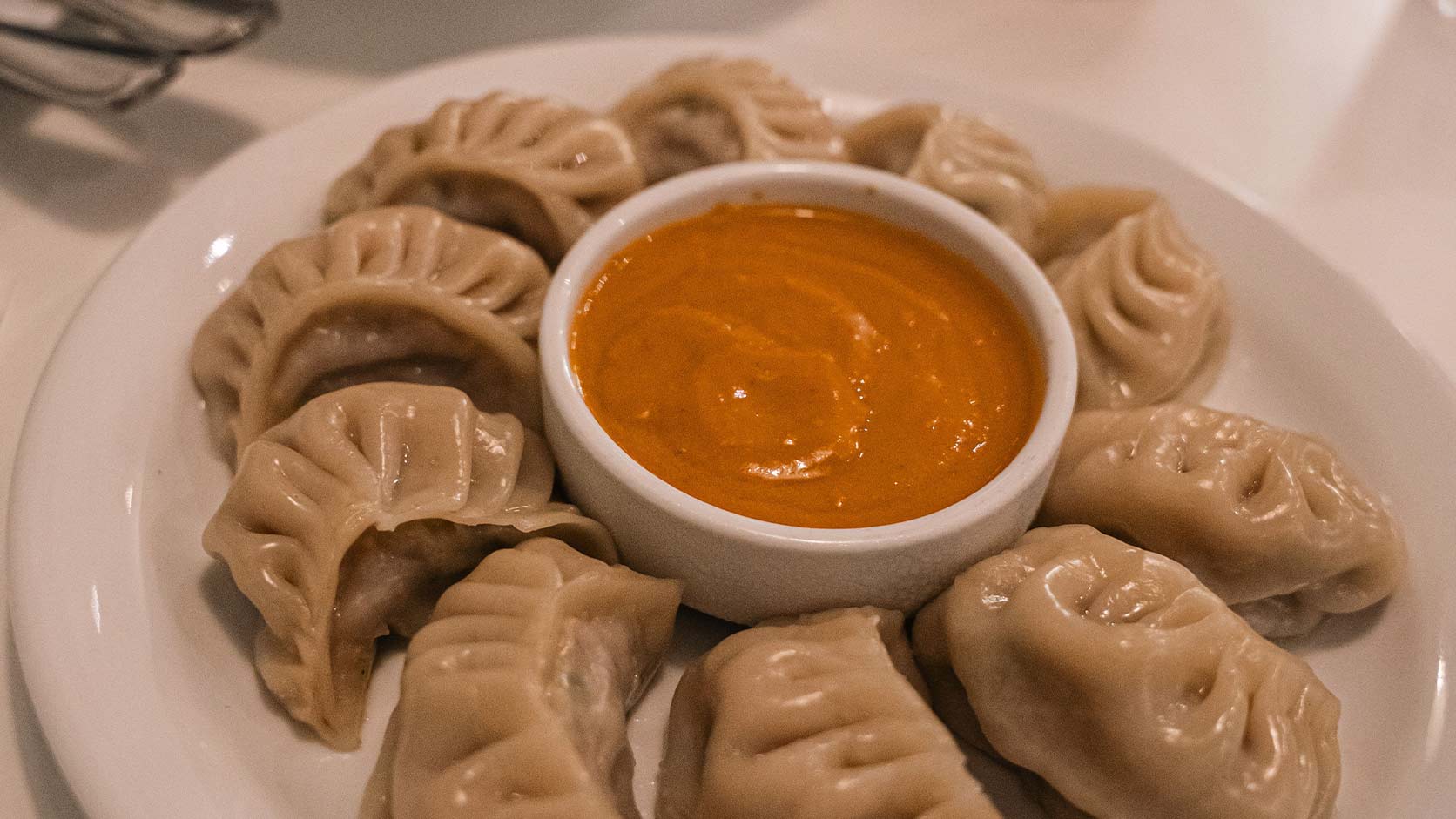
In the Kathmandu Valley, Newar communities observe the day as Gunhi Punhi. The festival has its own distinctive cultural practices and is closely associated with Kwati, a nutritious soup prepared from a mixture of sprouted beans and legumes. The dish has become one of the best-known foods associated with the festival.