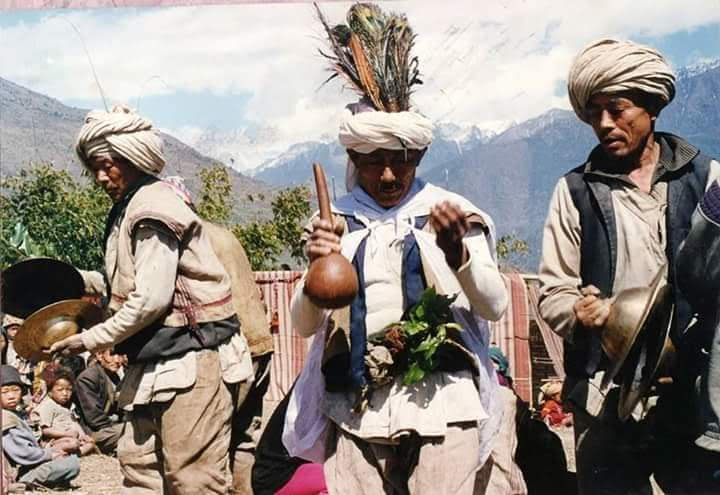
Kathmandu, August 22, 2026 — For generations, a typical Nepali meal has been closely associated with dal-bhat-tarkari: rice, lentils, vegetables, pickles and other locally available foods served at home. But the way many Nepalis eat is changing, particularly in urban areas, where school and office schedules, food delivery, restaurants, packaged snacks and fast-food outlets have become increasingly part of everyday life.
The change does not mean dal-bhat has disappeared from Nepali households. Rice and pulses remain central to the diet, and traditional foods continue to be an important part of family meals and cultural celebrations. What is changing is the variety, frequency and setting of what people eat between and alongside traditional meals.
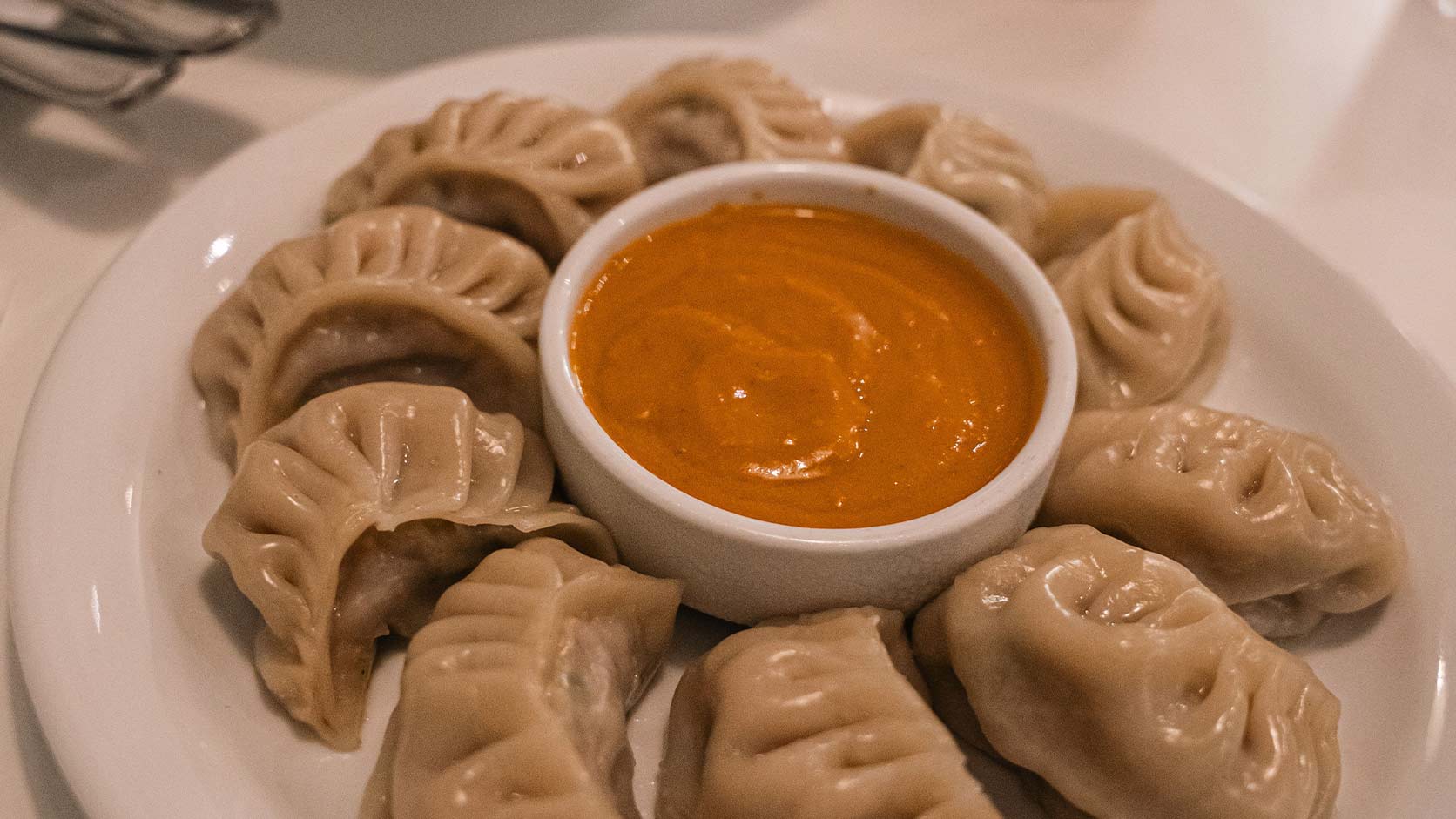
Nepal's food environment has expanded considerably. A meal that once largely depended on what was cooked at home can now be supplemented by momo, chowmein, burgers, pizza, fried chicken, instant noodles, packaged snacks, sweetened beverages and a growing range of restaurant and takeaway foods.
The shift is particularly visible among younger people. A study of adolescents in Nepal found that 53.4 percent had consumed fast food on two to three days per week, while nearly nine in 10 had consumed junk food. The study included foods such as momo, chowmein, burgers and pizza in its definition of fast food.
More recent research among higher-secondary school adolescents in Kathmandu Metropolitan City also illustrates the coexistence of traditional and newer eating patterns. In that study, 98.2 percent of participants reported a diet primarily consisting of rice and pulses, while 57.1 percent consumed fast food one to three times a week and another 32.3 percent consumed it more than three times a week.