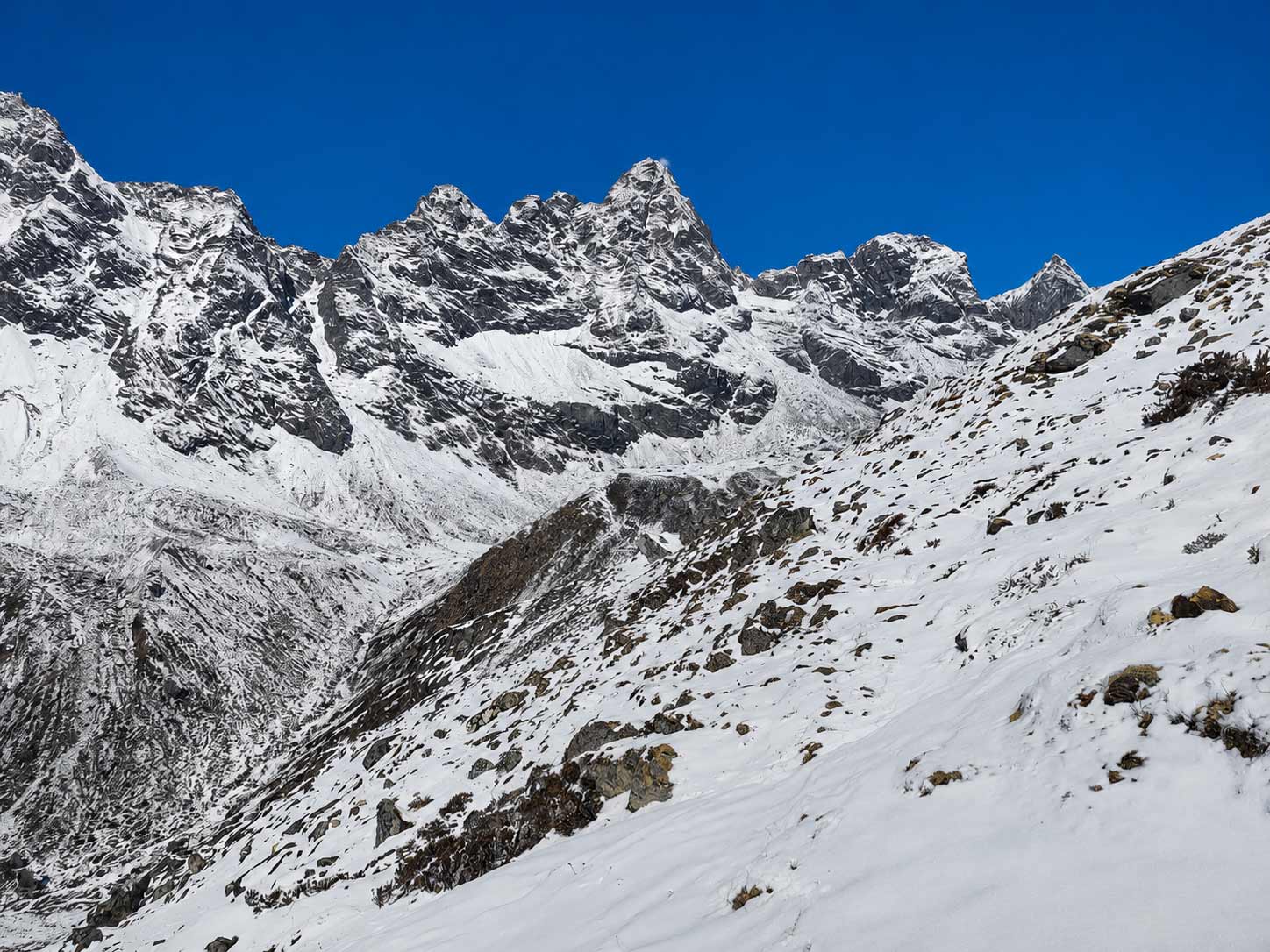
Kathmandu, August 15, 2026 — As Nepal moves closer to its winter trekking window, the Himalayas begin to transform into a quieter, sharper, and more dramatic version of themselves. While the main trekking rush peaks in autumn, December to February offers a different kind of experience: fewer crowds, crystal-clear skies, and snow-dusted landscapes that feel almost untouched.
According to the Nepal Tourism Board, the most popular trekking seasons remain September–November and February–May, but trekking is possible year-round depending on route selection and preparation. Winter, however, brings colder temperatures, especially above 2,500–3,000 metres, where snowfall and freezing conditions are common.
This naturally raises a question many first-time travelers ask: Do people actually trek in Nepal during winter? And is it even a good idea?
The short answer is yes—people do trek in winter. But the longer answer is more interesting.
Winter trekking in Nepal is not the peak season, but it is far from empty. In fact, experienced trekkers often prefer it for one simple reason: the mountains feel different. Trails that are crowded in October become quiet. Villages feel slower. And the Himalayas, instead of being partially hidden behind haze, often appear with striking clarity after the monsoon dust has settled.