Culture & Lifestyle
No Image Available
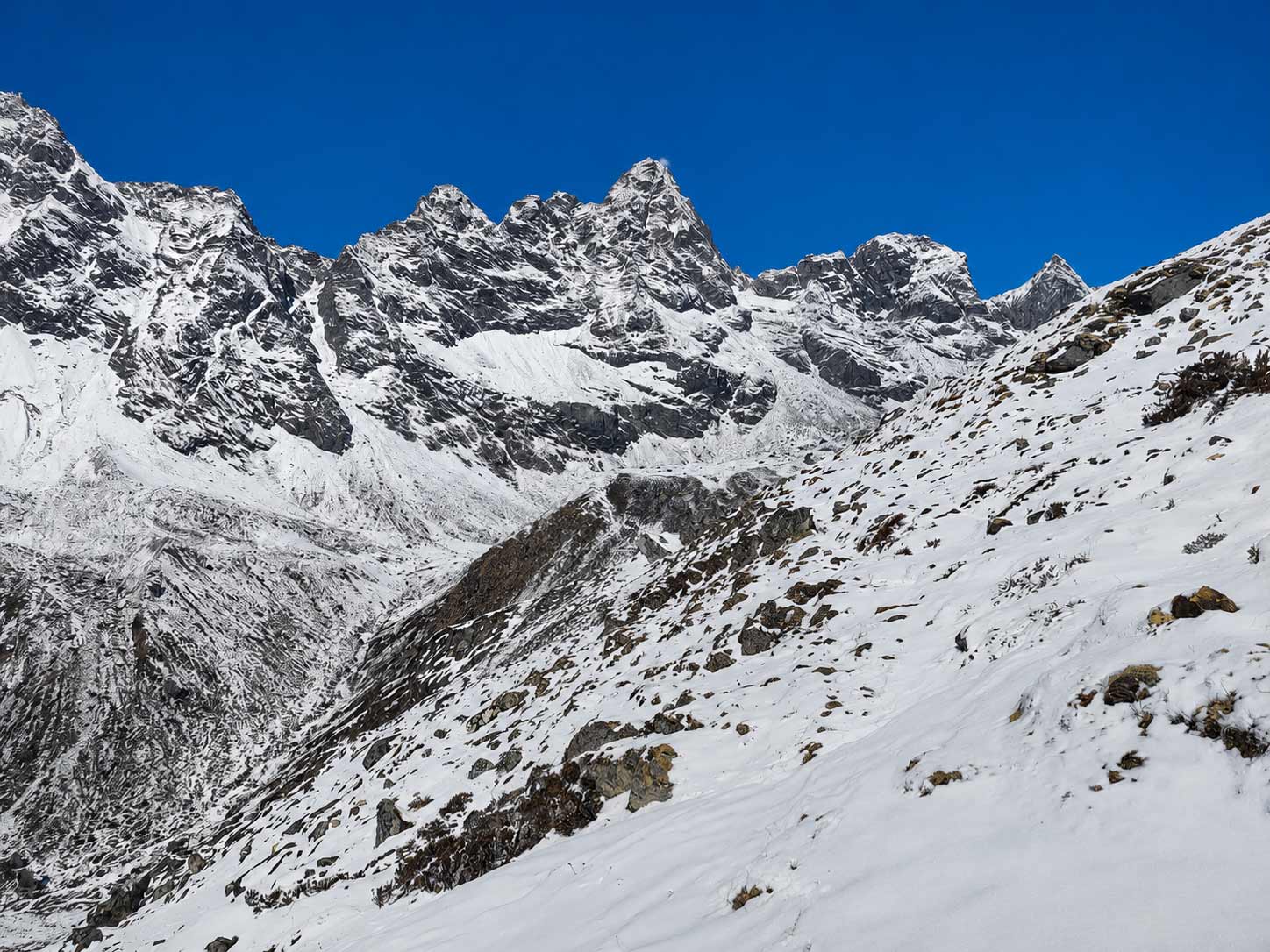
Nepal in winter as a trekking destination: do people really trek during the cold months?
As Nepal moves closer to its winter trekking window, the Himalayas begin to transform into a quieter, sharper, and more dramatic version of themselves. While the main trekking rush peaks in autumn, December to February offers a different kind of experience: fewer crowds, crystal-clear skies, and snow-dusted landscapes that feel almost untouched. According to the Nepal Tourism Board, the most popular trekking seasons remain September–November and February–May, but trekking is possible year-round depending on route selection and preparation. Winter, however, brings colder temperatures, especially above 2,500–3,000 metres, where snowfall and freezing conditions are common.
Travel
No Image Available
Nepal in winter as a trekking destination: do people really trek during the cold months?
As Nepal moves closer to its winter trekking window, the Himalayas begin to transform into a quieter, sharper, and more dramatic version of themselves. While the main trekking rush peaks in autumn, December to February offers a different kind of experience: fewer crowds, crystal-clear skies, and snow-dusted landscapes that feel almost untouched. According to the Nepal Tourism Board, the most popular trekking seasons remain September–November and February–May, but trekking is possible year-round depending on route selection and preparation. Winter, however, brings colder temperatures, especially above 2,500–3,000 metres, where snowfall and freezing conditions are common.