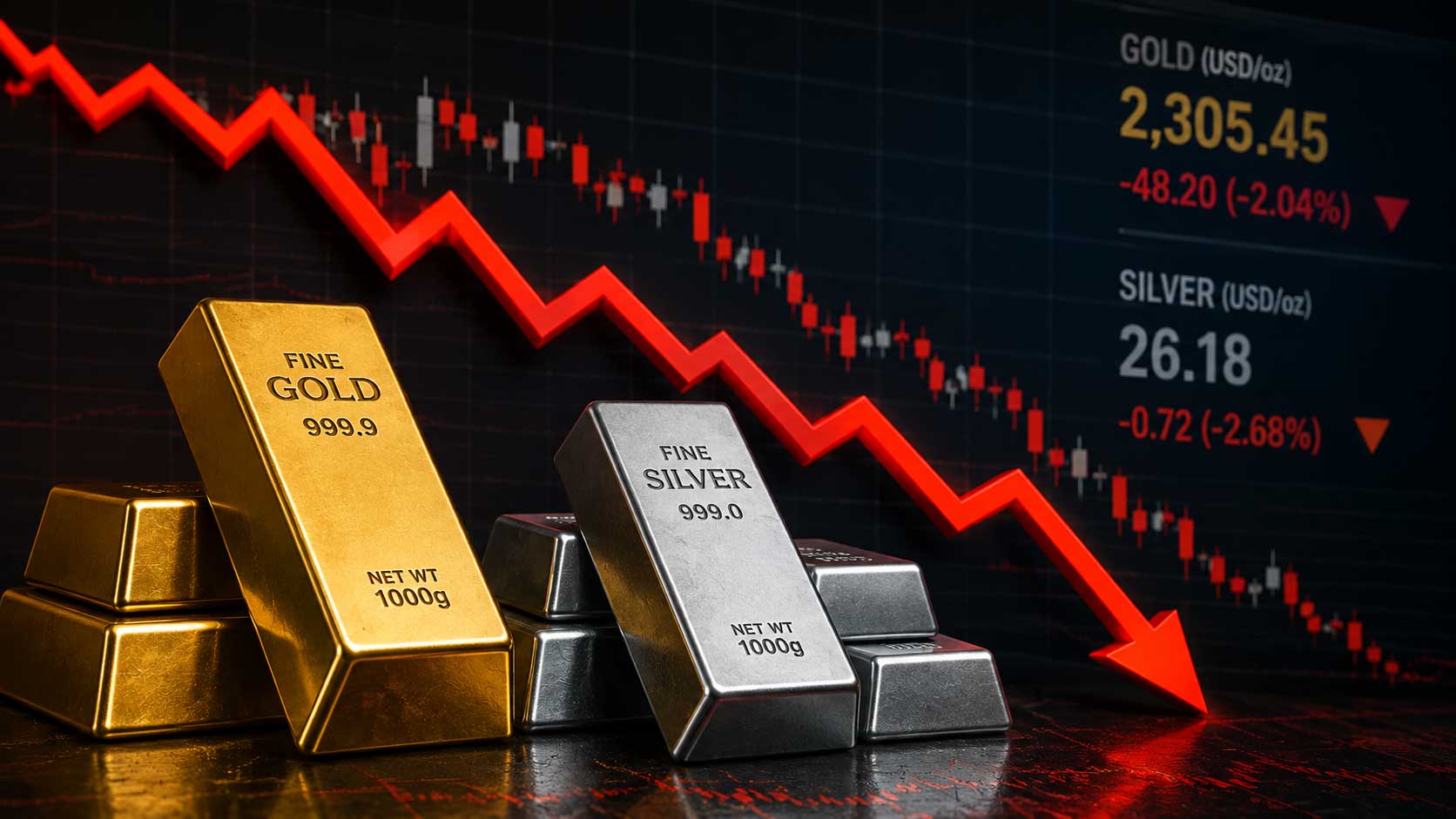
The price reversal has left some investors facing losses.
Shakya said some buyers entered the silver market without fully understanding its price cycles. As prices fell sharply, some investors found it difficult to continue holding their positions.
Some customers reportedly sold their silver when the price was around Rs 5,700 per tola, while others took their granules to jewellers to have them converted into silver ornaments.
The surge in imports has also attracted scrutiny. Guru Prasad Paudel, spokesperson for Nepal Rastra Bank, confirmed that imports of silver grains had increased sharply, as reflected in letters of credit issued through banks.
Some people familiar with the bullion trade have questioned the scale of the increase and said the precise reasons for such large imports warrant further examination. Concerns have also been raised over whether some of the imported metal could potentially be diverted to smuggling or other activities, although such concerns have not been established as fact.
Arjun Rasaili, president of the Federation of Nepal Gold and Silver Dealers' Association, said describing the imported material as “silver powder” was misleading. He said the imports were actually silver granules, which can be used to manufacture jewellery and utensils and to polish statues.
Adarsh Diwe, a Mumbai-based consultant at Metals Focus who tracks South Asian bullion markets, similarly said the surge was likely linked to customs classification. He said much of the material may be silver granules recorded under the Harmonised System code for silver powder.
Diwe said physical investment demand increased sharply when international silver prices reached record levels early in 2026. He added that silver granules can be converted locally into bars for investment or used in the production of jewellery and silverware.
Nepal's rules distinguish between owning silver domestically and importing raw bullion. Individuals can legally purchase and hold physical silver inside the country, but the government prohibits individuals from independently bringing raw precious-metal bullion, including gold and silver bars, through border entry points.
Bullion traders say silver in Nepal is commonly traded in granule form, often packed in 25-kilogram bags.
Beyond its role as a precious metal, silver has also gained importance in industrial applications. The metal is widely used in electronics, solar technology and other manufacturing processes because of its high electrical conductivity.
The expansion of artificial intelligence and green technologies has added to expectations for industrial demand. Silver is used in components such as circuit boards, connectors, semiconductor-related hardware and electrical equipment, where its conductivity can help support efficient transmission of electricity and signals.
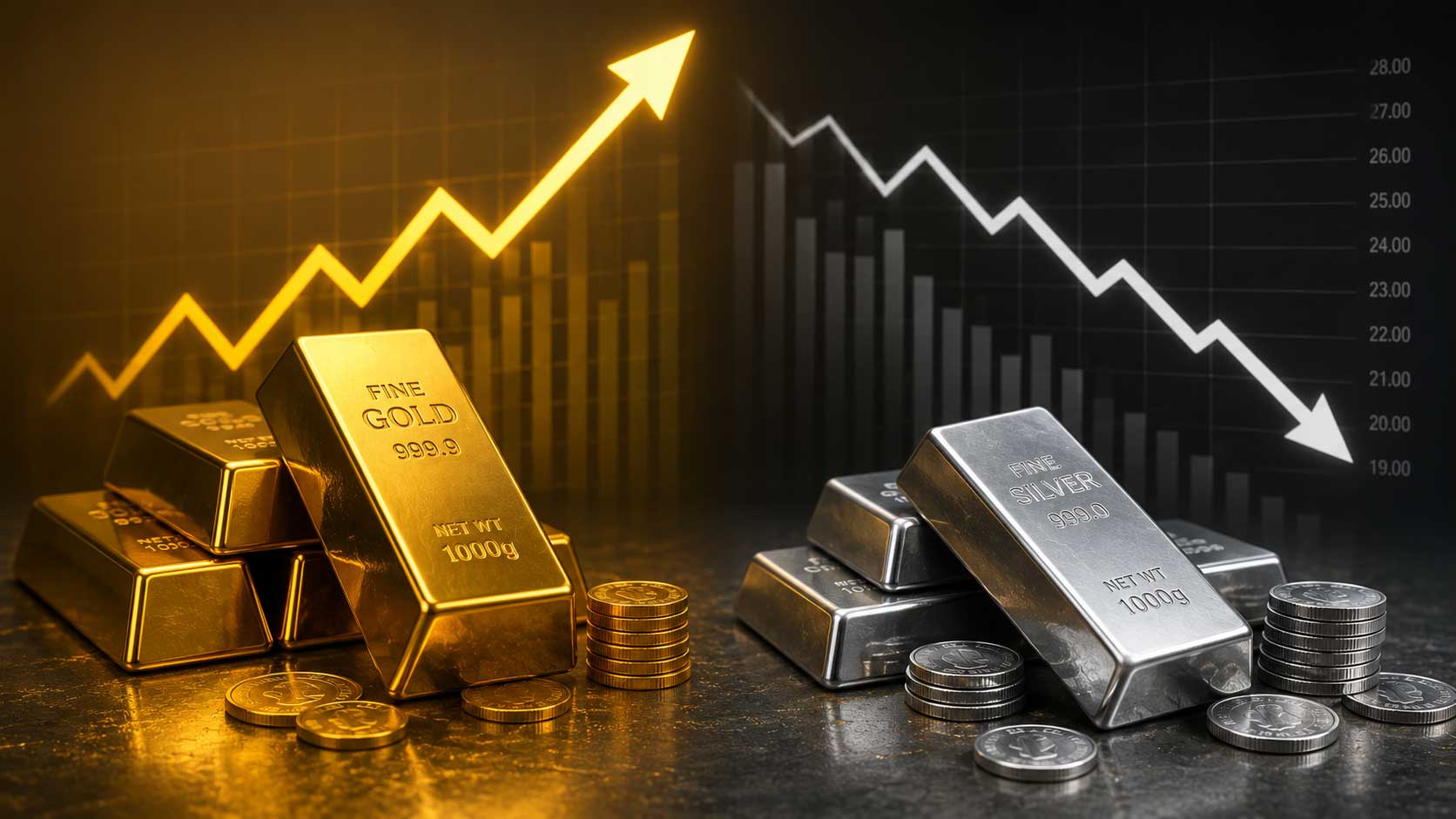
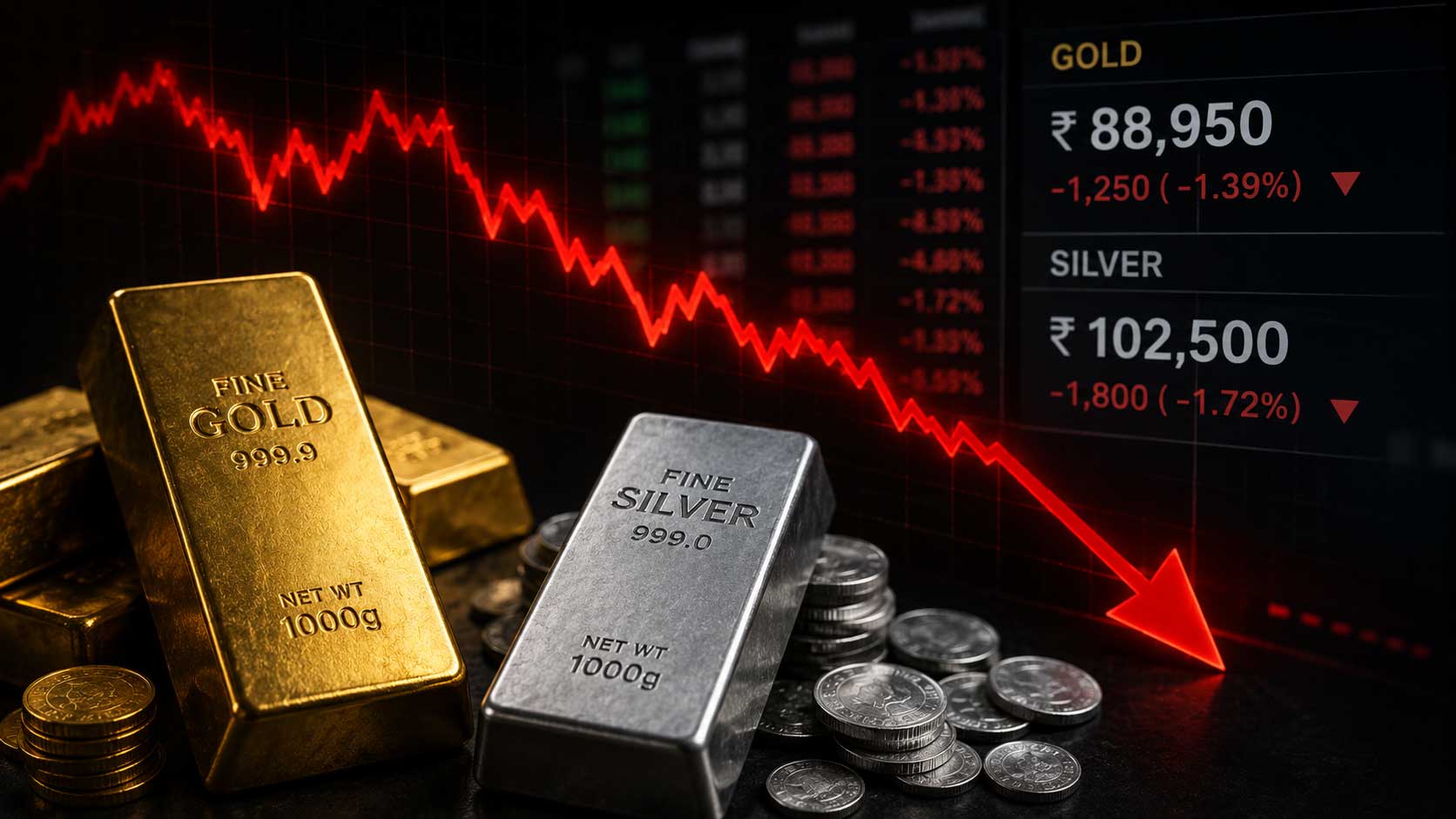
Still, the investment boom in Nepal highlights the risks of treating silver as a straightforward alternative to gold. The metal's sharp rise early this year was followed by an equally dramatic correction, demonstrating how quickly gains can disappear in a highly volatile market. Reuters reported that silver's January 30 decline was its largest one-day fall in available LSEG data dating back to 1982.
For Nepal's bullion market, the unprecedented rise in silver imports marks a notable shift. Gold remains deeply embedded in the country's cultural and financial traditions, but the latest figures suggest that a growing number of investors are willing to look to silver when gold becomes too expensive and other investment avenues appear uncertain.