During the aircraft's final radio communications with air traffic control, a man's voice could be heard reciting the Lord's Prayer in the background. Friends believe the voice belonged to Gregory.
The co-pilot, Nathalia Gadelha Filgueiras, had also communicated concerns about ice and turbulence shortly before the crash. Her stepfather, Thiago Corteleti, told the New York Post that she had texted her boyfriend approximately 10 minutes before the accident, writing: “I’ve got turbulence, I’ve got ice.”
Aviation experts have said that pilots should not send text messages while flying, although federal regulations do not strictly prohibit such activity when charter aircraft are cruising at altitude. Mobile phone use is prohibited throughout commercial airline flights and during critical phases such as takeoffs and landings on charter flights. Investigators may nevertheless examine the messages for additional evidence.
During the final two minutes of the flight, Filgueiras' radio communications reportedly shifted from routine exchanges with air traffic controllers to urgent warnings as the aircraft rapidly descended.
She reported that ice was accumulating on the plane and that turbulence had caused it to move vertically by more than 700 feet (210 metres).
As the Learjet descended at more than 20,000 feet (6,100 metres) per minute, she warned: “We’re going to crash into the ground.”
Her final recorded words before the transmission ended were: “We’re out of time!”
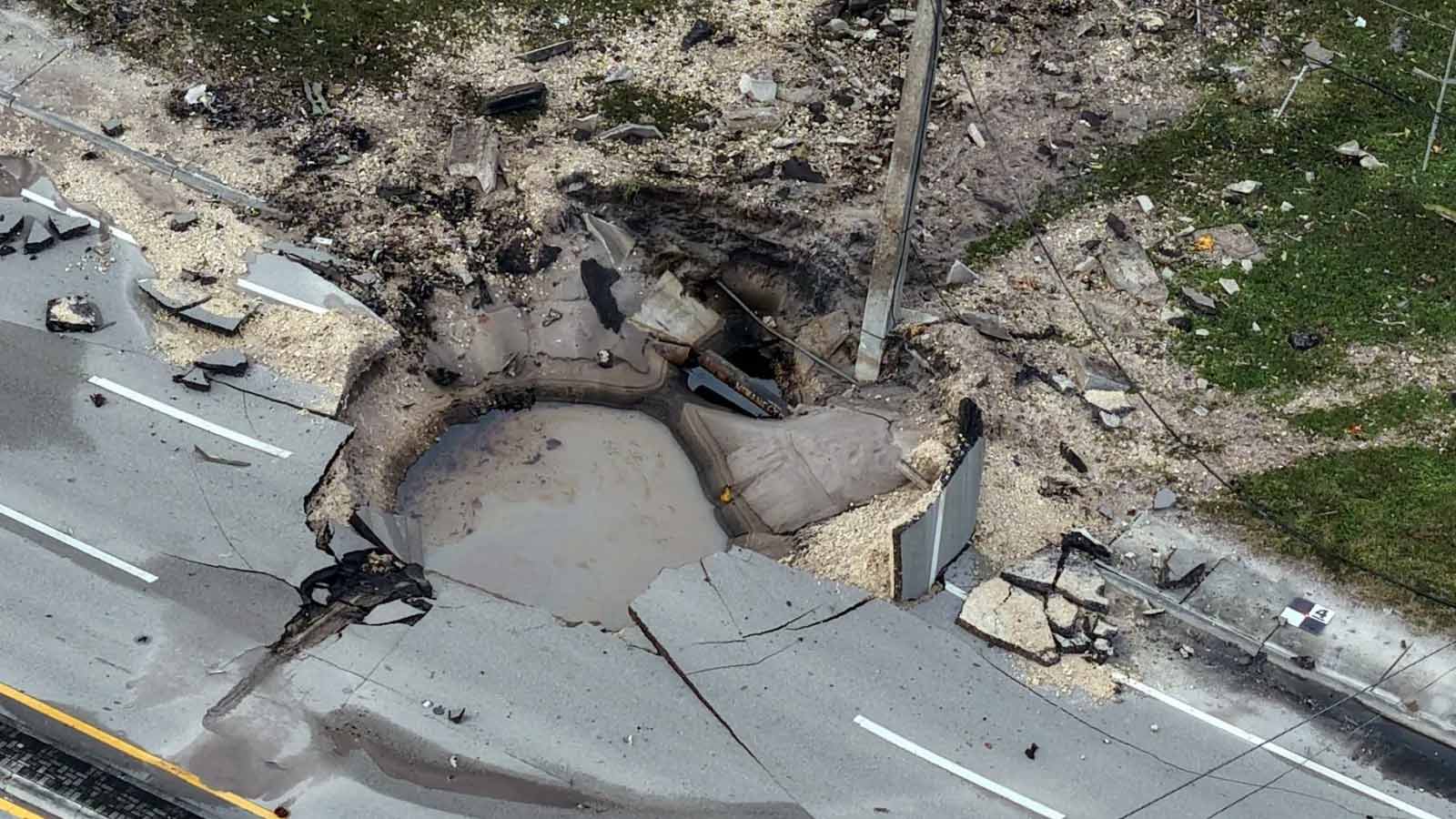
The aircraft struck the ground with enough force to create a crater before catching fire. Around 600 residents living nearby remain displaced, while one person on the ground was reported injured.
Investigators have been searching the surrounding area for wreckage, collecting dashboard-camera recordings and interviewing witnesses. Following several days of heavy rain, they planned to enter the crater on Wednesday to recover additional aircraft components.
The NTSB is expected to release a preliminary report in approximately one month. However, determining the probable cause of the accident could take more than a year.