Executive chairman Maheshwor Bhakta Shrestha said the corporation is working to reduce its interest burden and restructure its debt. NAC is also considering replacing some high-interest borrowing with financing at lower rates.
Shrestha said discussions had already taken place with the Employees Provident Fund and the Citizen Investment Trust.
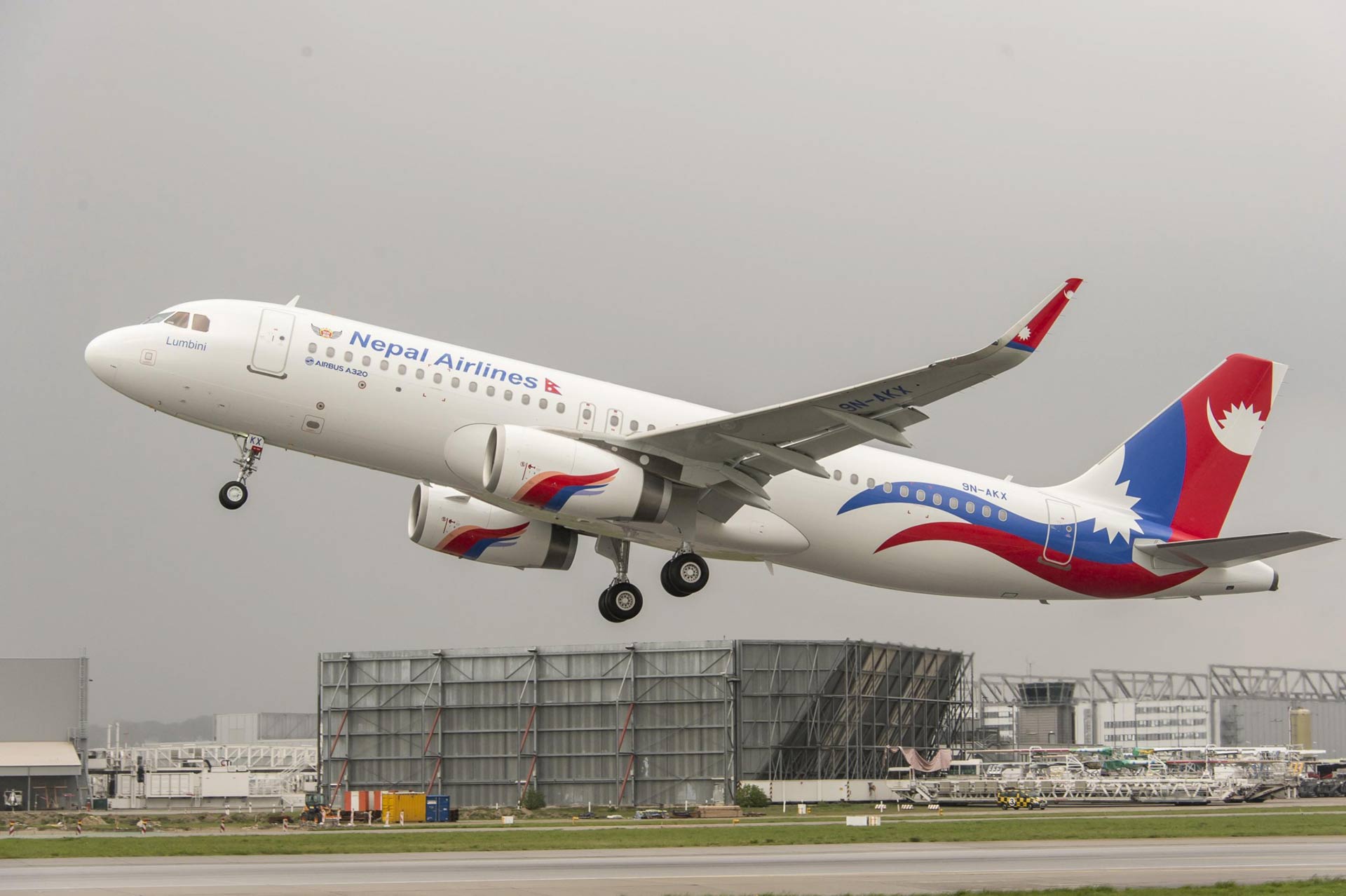
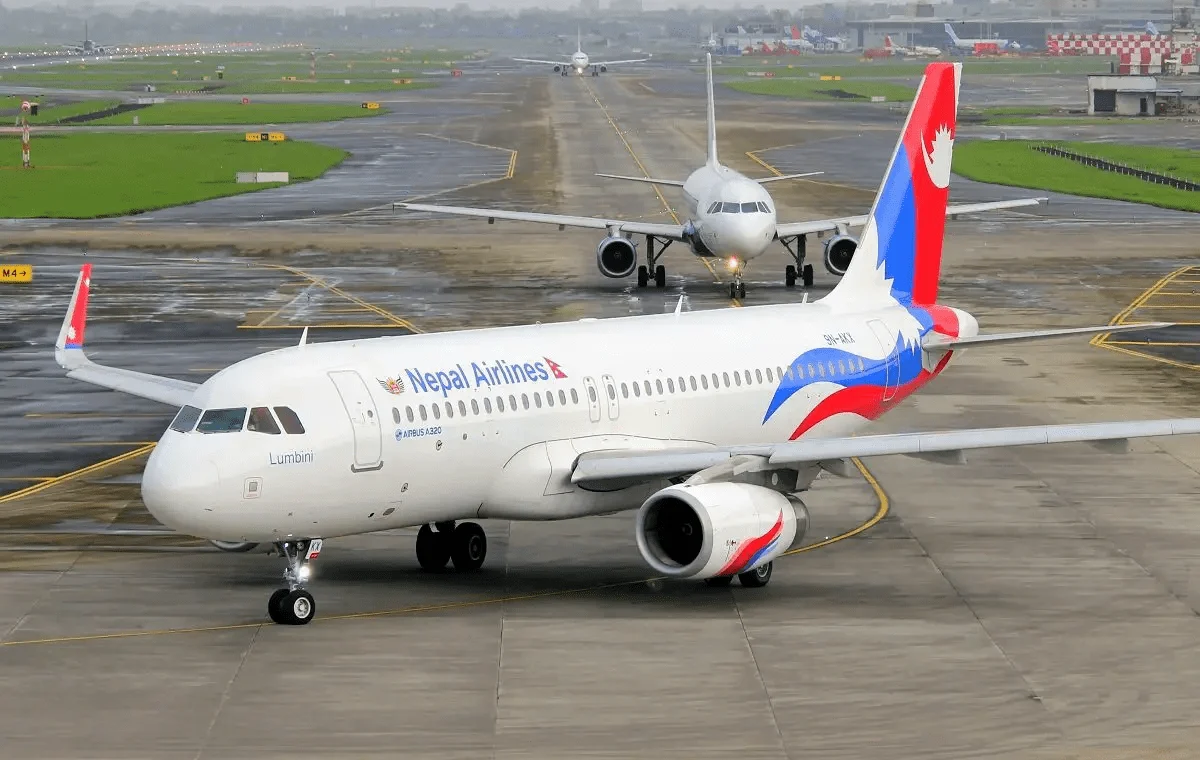
NAC borrowed Rs 34 billion from the two institutions to purchase the four Airbus aircraft and has faced interest rates of up to 10.5 percent on those loans. The corporation had projected financial expenses of around Rs 4.10 billion for fiscal year 2025-26 alone.
NAC management believes that lowering its interest burden could reduce the gap between operating revenue and expenditure and create greater room for financial recovery.
The condition of the airline's fleet is another major obstacle to expansion.
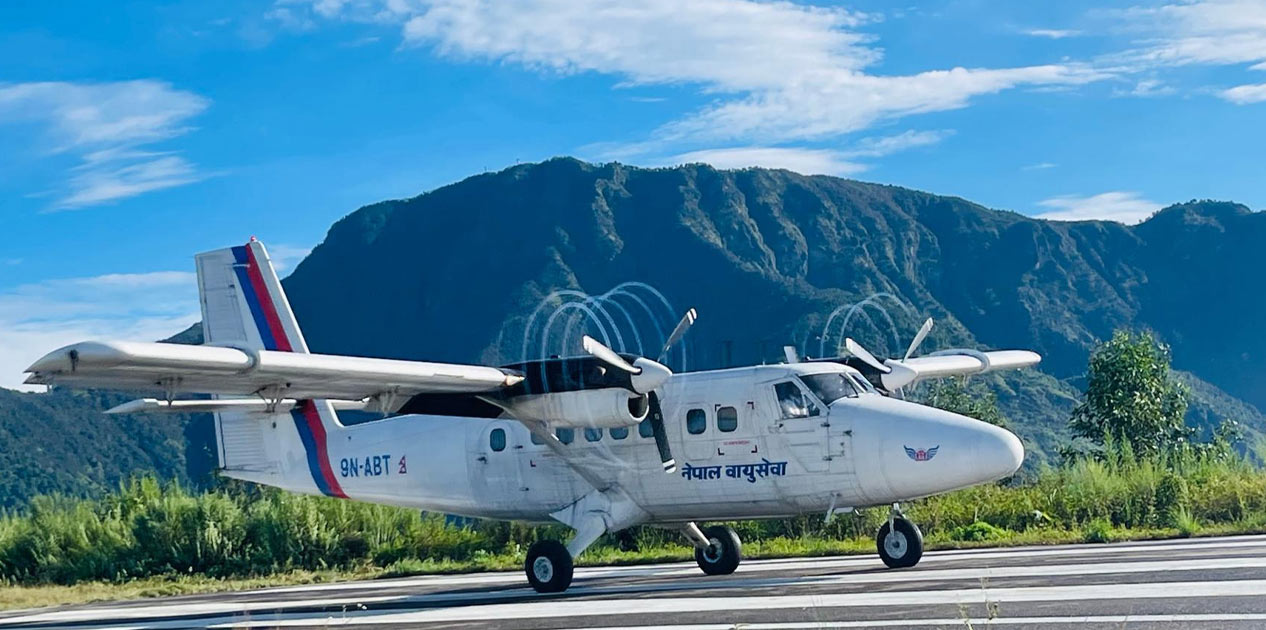
NAC has 11 aircraft, including five Chinese-made planes, but only six are currently operational: two Twin Otters, two narrow-body aircraft and two wide-body aircraft.
Several aircraft have remained grounded for long periods, restricting the carrier's ability to increase flights and maximise the use of its existing fleet.
NAC has repeatedly identified fleet expansion as necessary to strengthen both domestic and international operations. Its fiscal year 2025-26 programme included plans to add narrow-body aircraft for international routes and examine aircraft leasing options.
Those plans did not progress as intended.
The airline's budget had envisaged 2,520 international flights using two Airbus A330s and two A320s, with more than 865,000 passengers expected to travel on those services. For domestic operations, NAC had planned 5,174 flights using two Twin Otters.
The inability to expand the fleet while some aircraft remain grounded has restricted the corporation's capacity to increase revenue at a time when demand for air travel is growing.
NAC management nevertheless considers the recent revenue growth a positive development.
Khadka said the increase in income should be viewed as encouraging, while Shrestha stressed that a lasting turnaround would require measures beyond revenue growth.
The new management is seeking to pursue three priorities at the same time: increase revenue, control operating expenses and reduce the cost of servicing the corporation's debt.
For an airline carrying an estimated Rs 51 billion in debt and operating only six of its 11 aircraft, however, achieving a sustained financial turnaround will require more than the recent improvement in revenue.