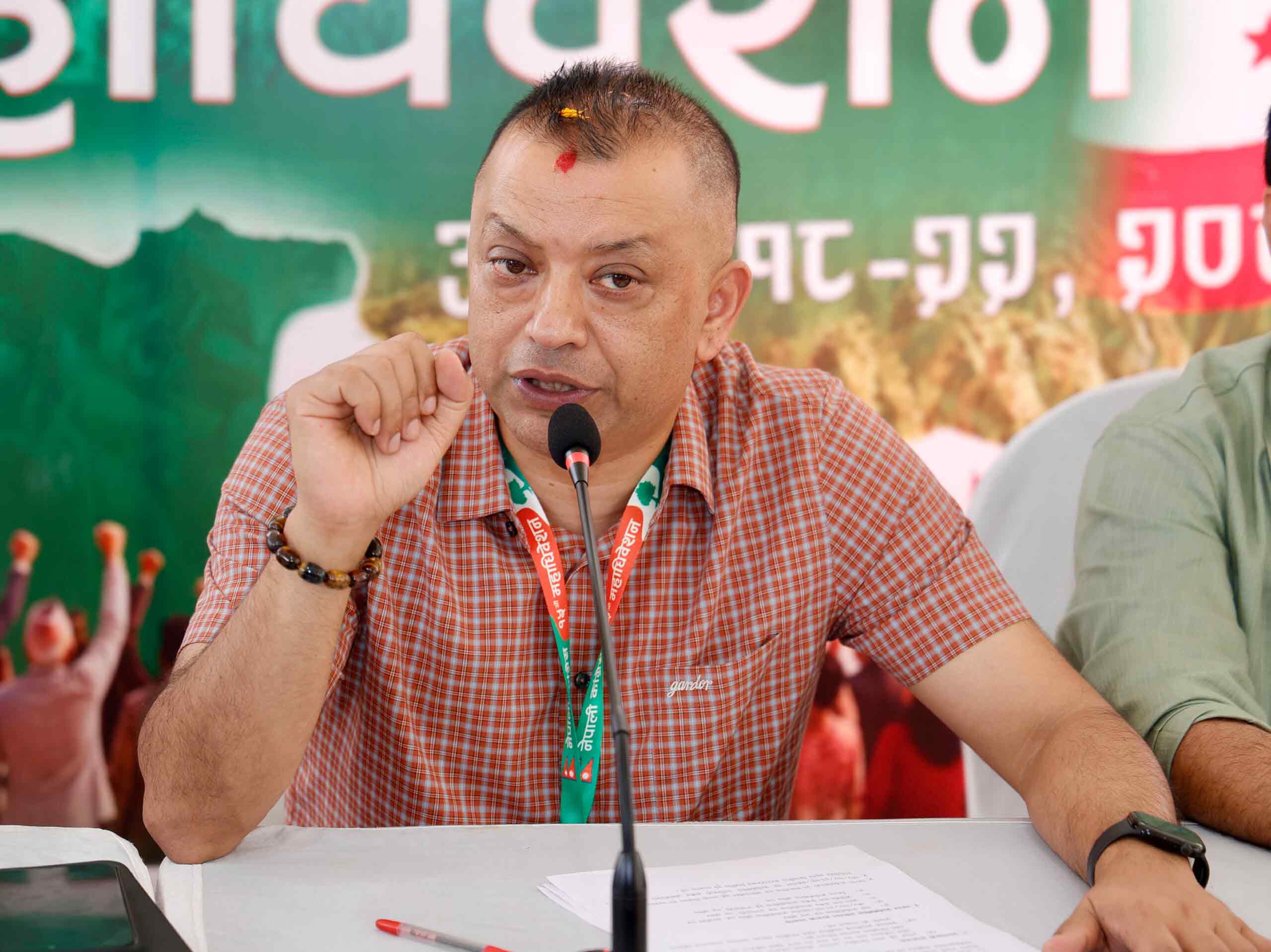
Gagan Thapa submits 29-point political report outlining Congress’s four-year direction
Nepali Congress President Gagan Thapa has submitted a 29-point political report proposing party reform, no pre-election alliances, stronger government oversight, economic reforms and greater youth participation.
Kathmandu, October 5, 2026 — Nepali Congress President Gagan Kumar Thapa has submitted a political report to the party’s Central Working Committee, outlining the party’s political, ideological, organisational and economic direction for the next four years ahead of its 15th General Convention.
The report includes a self-assessment of the party’s past two decades, proposals to hold the government accountable, a policy against pre-election alliances, party restructuring, cooperation with the private sector, greater youth participation and the concept of “Prosperous Nepal, Respected Nepali.”
Thapa’s report acknowledges that the Congress has increasingly prioritised positions and power over its core objectives over the past two decades. It says alliance management, power-sharing, factionalism and transactional politics weakened the party’s moral standing, while protecting party members accused of corruption and irregularities weakened the autonomy of public institutions.
The report also acknowledges the party’s growing distance from younger generations and its failure to understand changing public expectations. It says the party had sought forgiveness from the public through its second special general convention and committed to reform.
The 29 major areas covered in the report include the following:
Historical contribution and self-assessment: The report recognises the Congress’s role in the political movements of 2007, 2046 and 2062/63, as well as constitution-making. It also examines the party’s focus on power and positions, factionalism, power-sharing and transactional politics over the past two decades.
The Bhadra 23–24 public uprising and Congress’s defeat: The report says the public uprising should not simply be dismissed as a conspiracy. It recognises demands for good governance, opportunity and fairness as legitimate public grievances and proposes an impartial investigation into the use of state force, violence, loss of life and property, and repression. It calls for legal action against those responsible and truth, justice and reparations for victims. The Congress’s defeat in the Falgun 21 election is assessed as a consequence of its growing distance from citizens and political weaknesses over the past two decades. The party says it will accept the mandate and play a responsible role as the main opposition.
Two workers died and another was critically injured after an earth mound collapsed during JCB-assisted road upgrading work along the Jhivakhola-Bohragaun road in Nisikhola.
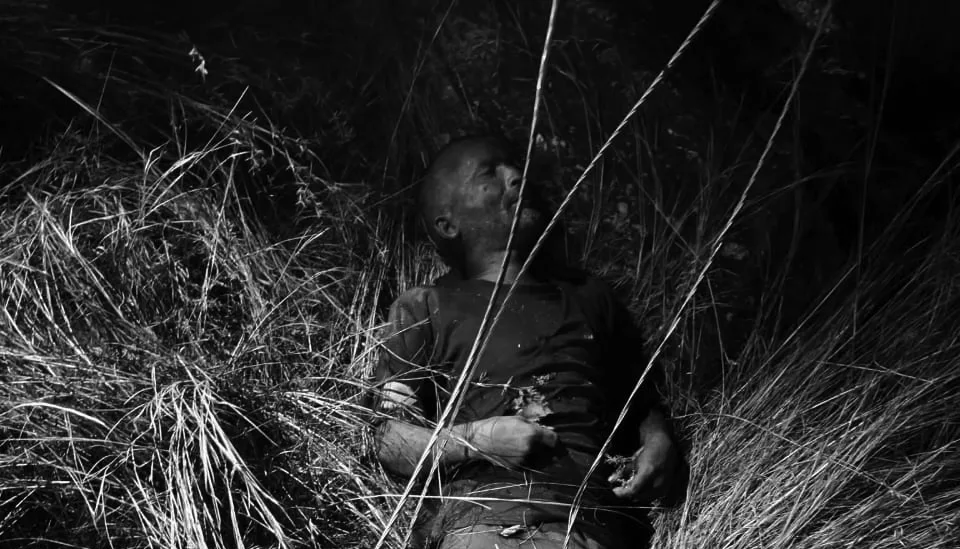
A 42-year-old man died after receiving an electric shock from a central electricity line pole inside a community forest in Budhiganga Municipality, Bajura.
Moderate rain and snowfall are expected in several mountainous and hilly areas of Nepal, with cloudy conditions prevailing across multiple provinces, according to the Meteorological Forecasting Division.
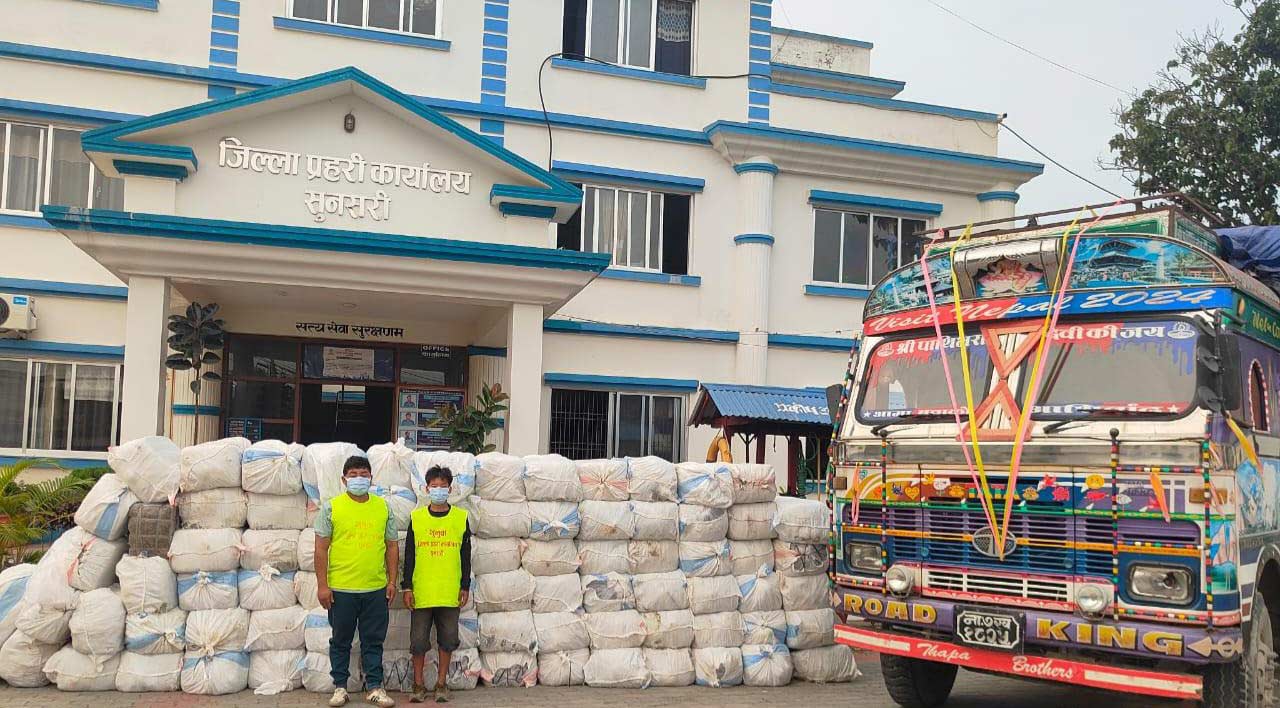
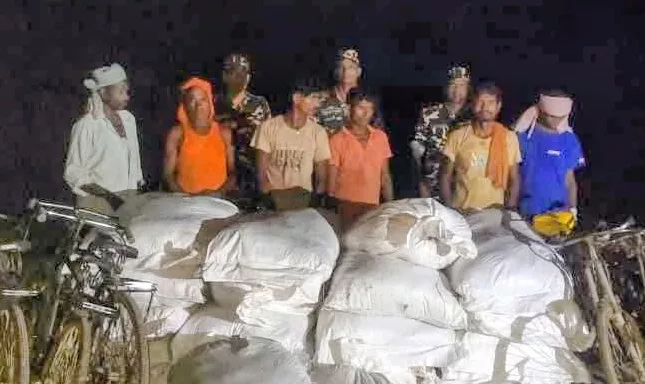
India’s SSB arrested six Nepali citizens and seized 960 kilograms of chocolates in 24 sacks near Nayaktola on Saturday during an anti-smuggling operation along the Nepal border.
A new opposition role: With 38 seats in Parliament, the Congress proposes effective oversight of the government, questioning government actions on the basis of evidence and facts, raising issues of corruption, rights violations and misgovernance, and presenting alternative policies rather than limiting itself to criticism. It also proposes a “shadow government” mechanism to monitor ministries at federal and provincial levels.
Elections and alliances: Thapa proposes that the Congress form no pre-election alliance with any party in the upcoming elections. The party would contest under its own tree symbol, with its own candidates and agenda. Merit, contribution and performance would be prioritised over factional affiliation, access and patronage in candidate selection. Primary elections, public opinion surveys and direct member voting would be given greater importance.
Ideological renewal: The report retains nationalism, democracy and democratic socialism as the party’s core ideological foundations while proposing their renewal for the 21st century. It seeks to connect nationalism with national capacity in energy, food, technology and finance, and democracy with meaningful citizen participation. It also proposes linking BP Koirala’s socialist vision with a modern social market economy and incorporating Pradeep Giri’s traditions of study, debate and self-criticism.
“Prosperous Nepal, Respected Nepali”: The report does not treat economic growth alone as the measure of prosperity. It places education, health, nutrition, skills, capacity and citizens’ real freedom at the centre of development, with cooperation among citizens, communities, the private sector, cooperatives, universities and experts.
Five-question accountability system: The report proposes asking five questions about major government and public decisions: What was decided? Why was it decided? Who is responsible? What result was achieved? What was improved if the expected result was not achieved?
Open-source citizen dashboard: A digital system is proposed to allow citizens to track development projects, budget expenditure and responsible officials in real time.
Economy and private sector: The private sector is proposed to be treated not merely as a source of tax revenue but as a major engine of wealth creation, production, innovation and employment. The report calls for policy stability, investment protection and closer government-private sector cooperation. It also proposes directing remittances toward productive investment in agriculture, industry, tourism and technology, while using hydropower and clean energy as a foundation for industrialisation and green-energy exports.
Pre-distributive justice: The report proposes creating equal opportunities from the outset rather than relying mainly on taxes and subsidies to address inequality after it has emerged. Equal access to education, health, skills, finance and employment is proposed.
Employment and foreign employment: Domestic production and dignified employment are proposed as national priorities, while foreign employment should be made safe, organised and rights-based. The report also calls for policies protecting the rights and social security of Nepalis abroad and for productive use of remittances.
Migration and population: The report proposes different approaches to declining populations in the hills, migration toward the Madhesh and highway areas, and pressure on major cities. Development planning should reflect actual settlement, movement and service demand rather than only administrative boundaries.
Agriculture, industry and production: The report proposes shifting from an economy dependent on imports and remittances toward production, with agriculture, water resources, energy, tourism, industry and digital technology as major economic pillars.
Climate change and green development: Climate change is presented as an economic and national-security issue as well as an environmental one. The report proposes integrating disaster risks into development, infrastructure and settlement planning and promoting sustainable resource use and intergenerational justice.
Technology and artificial intelligence: The report calls for education and skills systems to adapt to artificial intelligence and digital technology and proposes media literacy and fact-based dialogue to address misinformation and hate in the digital era.
Social sector: The Congress proposes continued engagement on caste discrimination, child marriage, gender-based violence, malnutrition, education, health and the environment, alongside stronger social protection for senior citizens, children, women and vulnerable communities.
Federalism and the Constitution: The report acknowledges weaknesses in the functioning of federalism and calls for stronger coordination among federal, provincial and local governments, improved administrative capacity and fiscal federalism, and a nationally consensual approach to constitutional amendment.
Transitional justice: The remaining work of the peace process should be completed, with truth, justice and reparations ensured for conflict victims. Transitional justice should not be used as a tool of political bargaining or power-sharing.
National sovereignty and a changing world: The report proposes strengthening national capacity in energy, food, finance, technology and knowledge while maintaining independent decision-making and expanding diplomatic options based on national interest.
A new concept of national reconciliation: BP Koirala’s concept of national reconciliation is proposed as a basis for broader social and cultural unity, connecting people across the Himal, hills, Madhesh, diaspora, religions, cultures and communities.
Organisational reform and five-generation cooperation: The Congress should remain continuously connected with citizens rather than becoming active only during elections. The report proposes transparent membership and internal democracy, institutional pathways for leadership transition across five generations, and institutions for leadership training, policy research, election preparation and governance support.
Anti-corruption and internal discipline: The report proposes higher ethical standards for party officials and elected representatives, financial transparency and public auditing. It also calls for an internal ombudsman to investigate conduct and corruption issues.
Public commitments on what the party will not do: The Congress proposes not using partisan power-sharing in the judiciary, constitutional bodies, universities and administration, not using public property and authority for party or individual benefit, and not treating people differently in corruption cases based on political affiliation.
Two-term limit for prime minister: The report proposes an initiative for a constitutional provision preventing any individual from serving more than two terms as prime minister.
Electoral reform: Proposed reforms include primary elections, a possible “none of the above” option, legal and constitutional initiatives to allow Nepalis abroad to vote, and discussion of alternatives such as rotating reserved constituencies.
Endowment fund for martyrs, injured and displaced: A Rs 100 million endowment fund is proposed to support the education and healthcare of families of martyrs and injured and displaced party workers.
Special arrangements for youth: The report proposes an independent task force involving young experts to study the grievances and demands of the Gen Z generation. Its recommendations would be incorporated into party policymaking, with greater youth participation through digital platforms.
Timeline for implementing “prosperity”: The report proposes a timeline beginning with a review of political and organisational performance from 2062/63 to 2082 within the first 100 days, reviews in all seven provinces, publication of the first “Prosperity Policy Paper” and a record of community contributions. It also proposes provincial task forces on education, nutrition, employment, good governance and green development, regular citizen dialogue, service monitoring, candidate-selection criteria before elections, quarterly internal reviews and an annual public “Prosperity Report.”
Core message: The report frames Congress’s renewal as broader than leadership or organisational change, linking it to political culture, economic policy, private-sector cooperation, employment, social security, federalism, good governance, youth participation, technology, climate and national sovereignty. Its central concept is “National Renaissance and Prosperity,” with an emphasis on accepting past weaknesses, rebuilding public trust, strengthening democratic institutions, increasing production and employment, and measuring leadership by implementation and results.