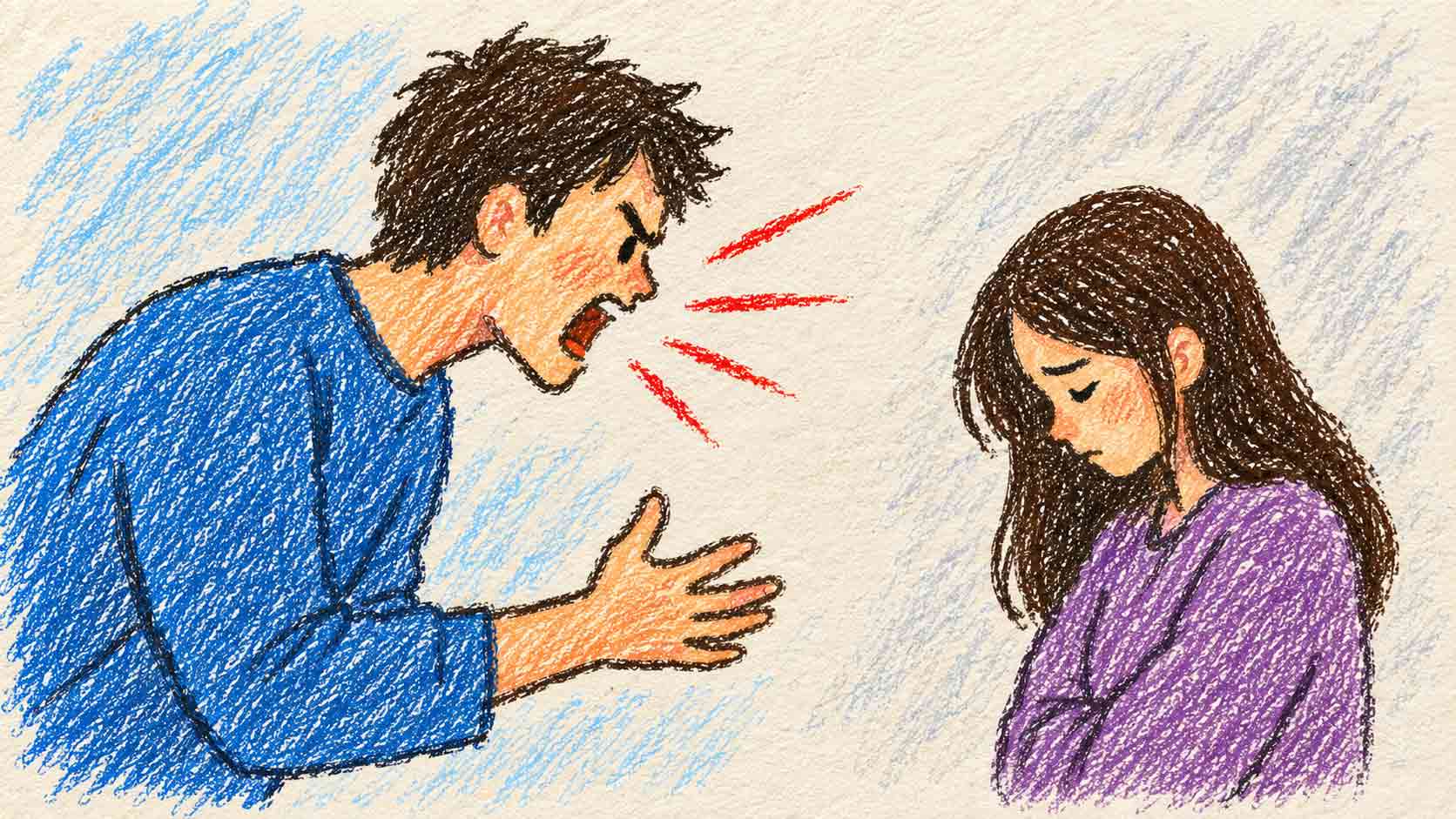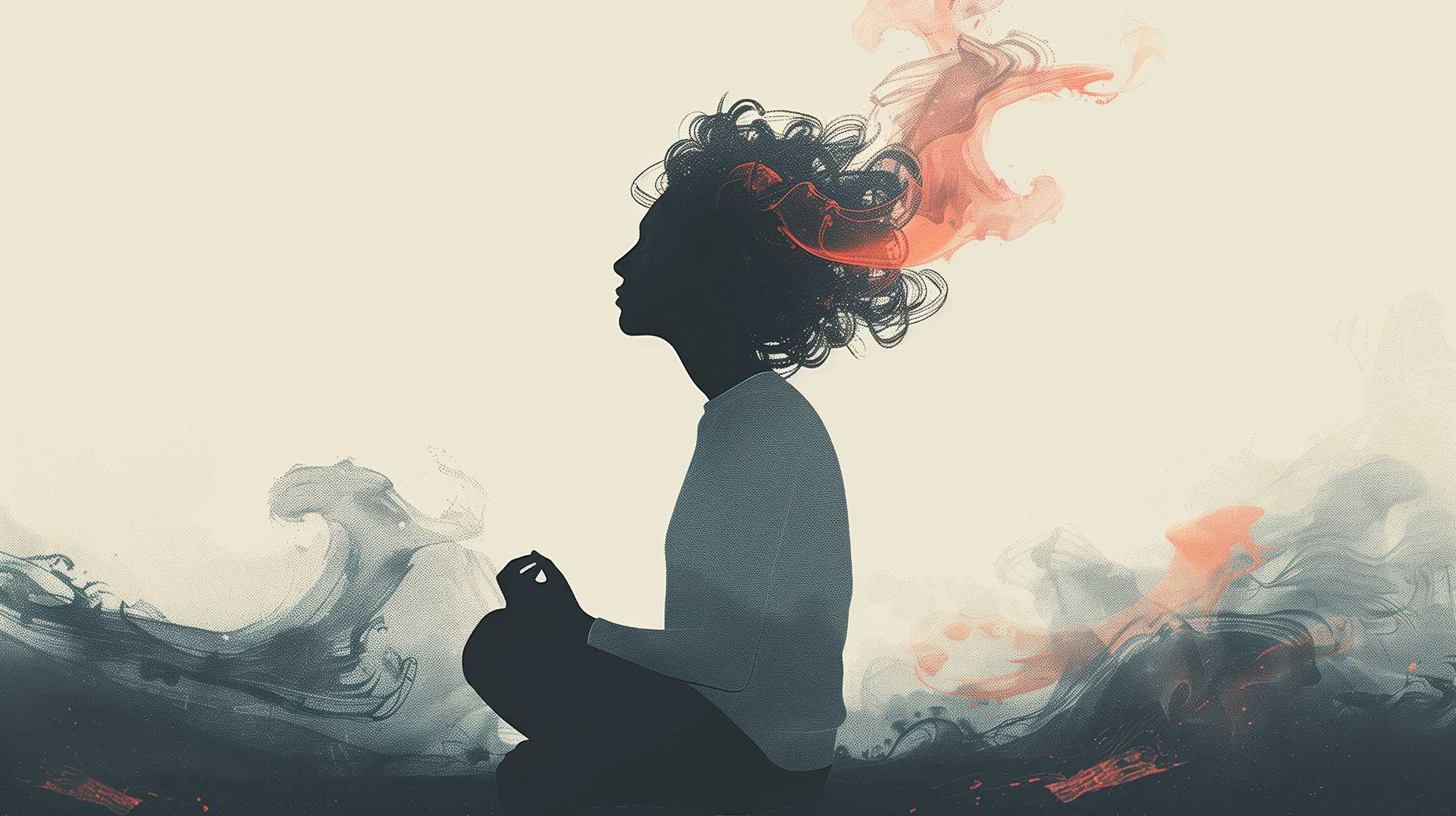
“I’m fine” can sometimes be an ordinary answer to an ordinary question. But for people experiencing emotional distress, repeatedly saying it can also become a way of hiding problems that they do not feel able, or permitted, to discuss.
In Nepal, where mental health is increasingly entering public conversation, the pressure to appear fine can remain powerful. A person may continue going to work or college, meeting friends, taking care of family responsibilities and participating in everyday life while privately struggling with anxiety, depression, grief or other forms of psychological distress.
That does not necessarily mean the person has a diagnosable mental disorder. But when distress is consistently concealed, opportunities to recognise a problem and seek support can be missed.
Nepal's National Mental Health Survey found that 10 percent of adults had experienced a mental disorder at some point in their lives, while 4.3 percent had a mental disorder at the time of the survey. Yet concerns about how others might react were among the barriers associated with seeking care. A 2025 WHO report on Nepal says 15.6 percent of adults surveyed in the 2020–2021 National Mental Health Survey were concerned they might be seen as weak for having a mental-health problem, while 10.5 percent feared being seen as “crazy.”
Those numbers help explain why saying “I’m fine” can sometimes be more than a casual response.