However, greater visibility does not automatically mean that stigma has disappeared.
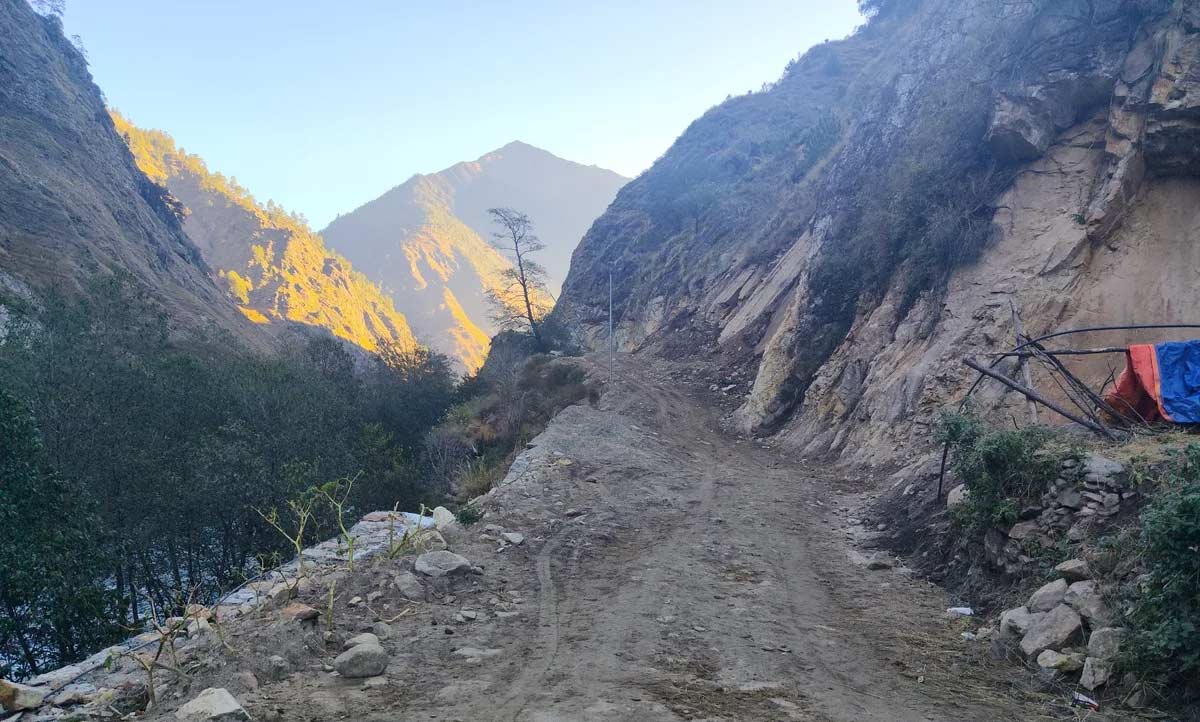
Mental health can still be associated with ideas of weakness, abnormality or family shame. People may hide symptoms from relatives, avoid psychiatric services because of fear of being labelled, or first seek help from informal sources. The problem can be particularly difficult for people living in rural and remote communities, where professional services, trained personnel and transportation may be limited. WHO has identified distance, difficult roads and shortages of trained human resources as continuing challenges in remote parts of the country.
Economic circumstances add another layer. Even when a person accepts that they need professional help, consultation fees, medication costs, travel expenses and lost working time can make treatment difficult to sustain. The Chitwan community study found lack of financial means to be one of the most prominent barriers to treatment.
There is therefore a gap between changing public language and changing social behaviour. Terms such as depression, anxiety and trauma are more familiar than they were in the past, particularly among young people, but recognition does not always translate into professional help-seeking.
The challenge for Nepal is consequently broader than simply increasing the number of psychiatrists or hospitals. Mental-health care needs to become accessible at the primary-care level, while public understanding must improve at the same time. Families, schools, workplaces, community leaders and health workers all have roles in making psychological problems something that can be discussed without humiliation.
Nepal's recent policy and service initiatives suggest that the country is moving in that direction. But the evidence also shows that the cultural perception of mental illness remains one of the factors shaping whether people seek care.
The central change may therefore be a simple one: mental illness needs to be understood as a health condition rather than a personal weakness, moral failure or supernatural punishment. Until that distinction becomes more widely accepted, improvements in services alone may not be enough to close Nepal's mental-health treatment gap.