Dr Joshua Kimani, clinical and research director at SWOP, said he feared a return to the conditions of the 1990s, when HIV infections were widespread.
“We cannot treat ourselves out of this epidemic. We need prevention,” he said.
Kenya's prevention efforts are also facing shortages. Bosire said the government could budget for only 200 million condoms annually, compared with an estimated requirement of 500 million for free distribution.
The effects have been reported beyond Nairobi. The Coast Sex Workers Alliance said 14 HIV-positive sex workers in the coastal region had died after losing access to treatment. The Kisumu Sex Workers Alliance reported at least five deaths in western Kenya, while Survivors of Busia reported two more near the Ugandan border.
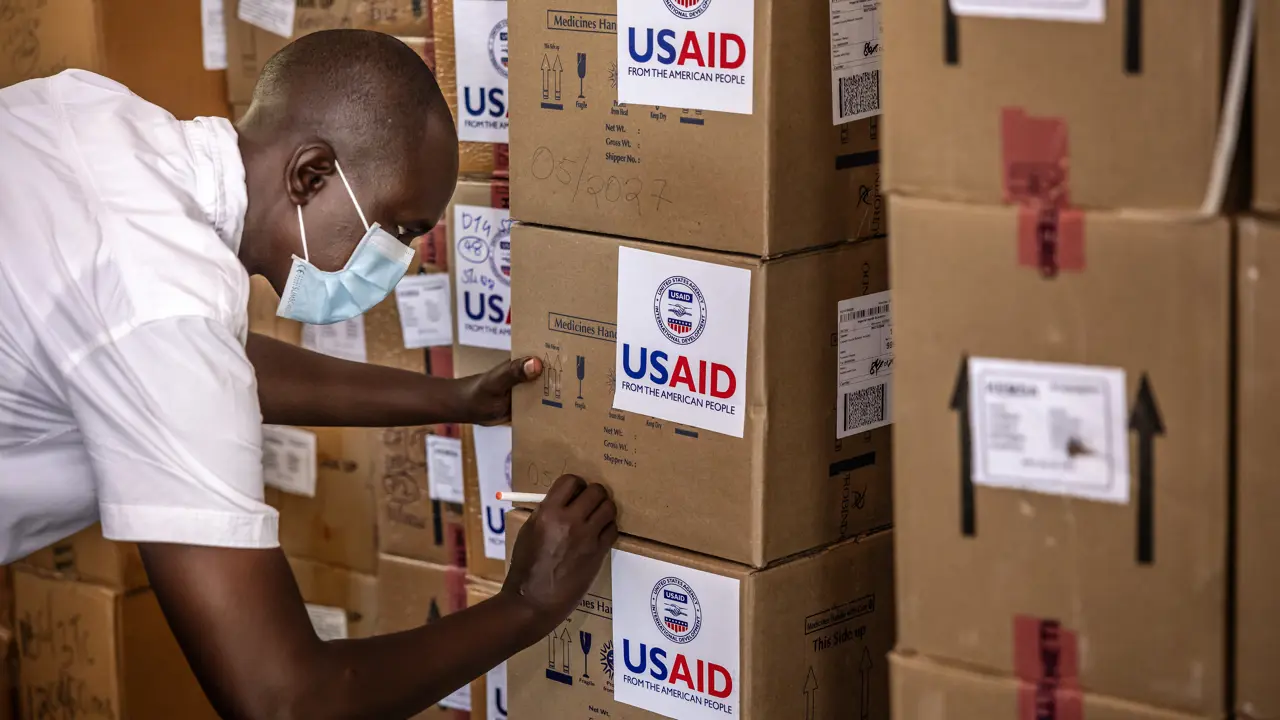
Dorothy Agalla, director of the Kisumu-based organisation, said none of the 25 USAID-funded clinics serving sex workers in western Kenya had survived the funding cuts. Fewer than 1,000 of the 20,000 sex workers previously served by those programmes were receiving care at public facilities, she said.
The US administration has rejected responsibility for the reported deaths. Frank Garcia, the administration's deputy assistant secretary for Africa, visited Nairobi on September 9 to promote a new health partnership based on what he described as “trade not aid”. He told AFP that he rejected the claim that the United States was responsible for the deaths.