Mental
No Image Available
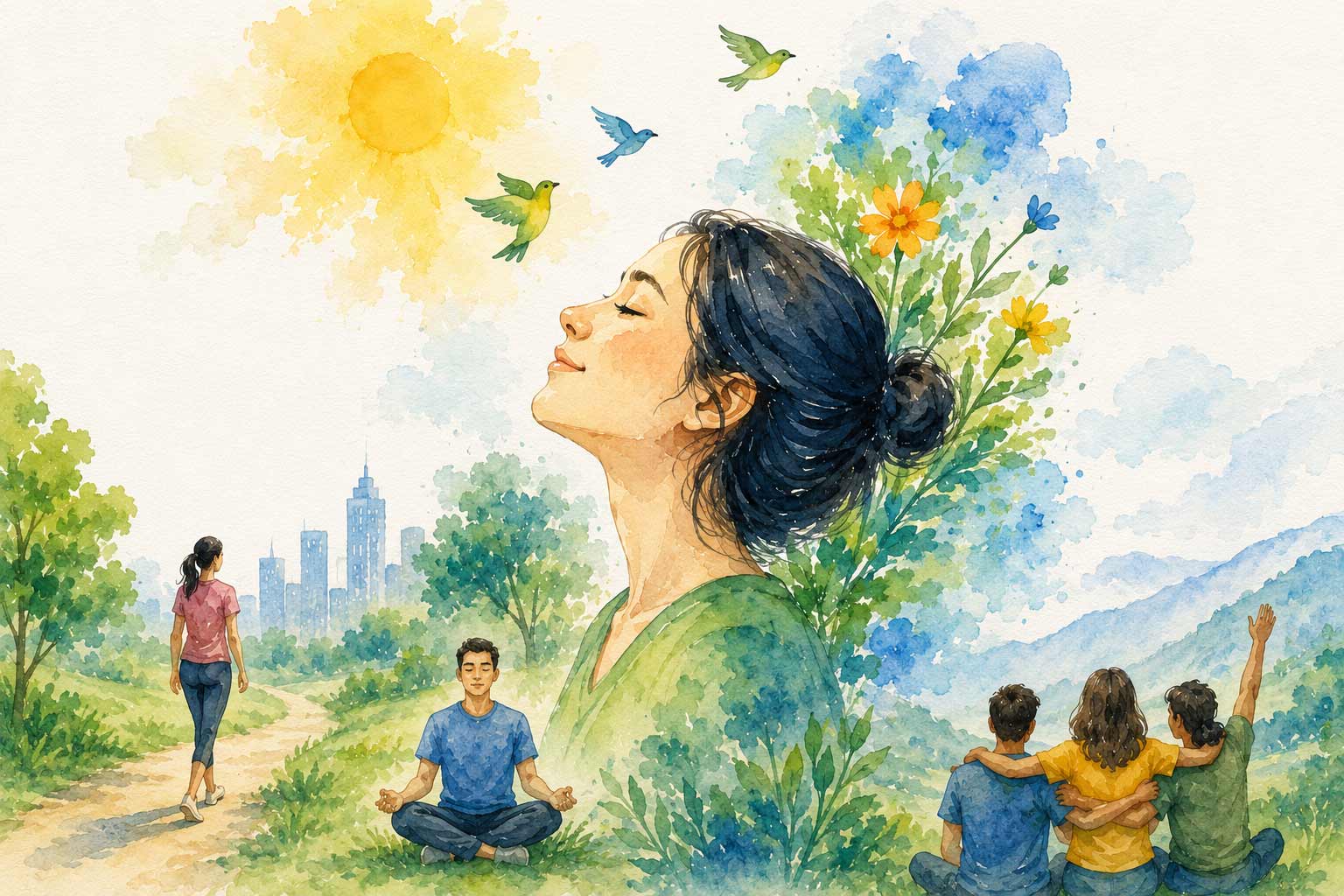
How mental health is seen in Nepal: Between stigma, traditional beliefs and a changing culture of care
Mental health in Nepal is increasingly being discussed as a public-health issue, but for many people, psychological distress is still viewed through a mixture of stigma, family expectations, traditional beliefs and limited understanding of mental illness. The perception of mental health in Nepal is not uniform. Urban areas, younger generations, educational institutions and social media have helped make conversations about depression, anxiety, trauma and suicide more visible. At the same time, people experiencing mental-health problems can still face shame, discrimination and pressure to remain silent. Research and government data suggest that the problem is not simply a shortage of treatment facilities; how society understands mental illness can also determine whether a person seeks professional help.